


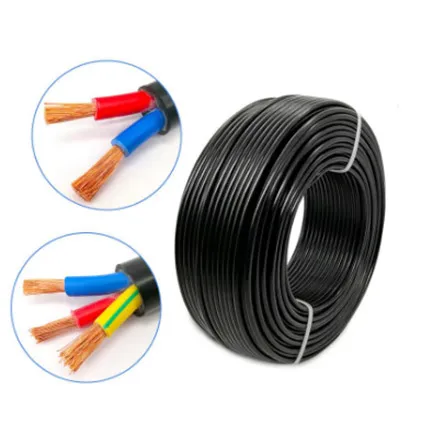
Imagine walking into a modern office building—lights brighten as you enter, elevators glide smoothly to your floor, air conditioners maintain the perfect temperature, and every device from computers to coffee makers hums with life. Behind this seamless experience lies an invisible network that's just as critical as the building's walls or foundation: the electrical cables that distribute power throughout the structure. These cables are the "veins" of any building, carrying electricity from the main supply to every corner, ensuring that residential homes feel cozy, commercial spaces stay productive, and public buildings remain safe.
But not all cables are created equal. The right electrical cables for a high-rise hotel differ vastly from those needed in a family home, and choosing the wrong type can lead to inefficiencies, safety hazards, or even project delays. That's where partnering with a trusted electrical fixtures & cables supplier becomes essential—one that understands not just the technical specs, but also the unique demands of building projects, whether residential or commercial. In this guide, we'll dive deep into everything you need to know about electrical cables for building power distribution: types, selection criteria, installation best practices, and why choosing a reliable one-stop architectural solution provider can make all the difference.










