
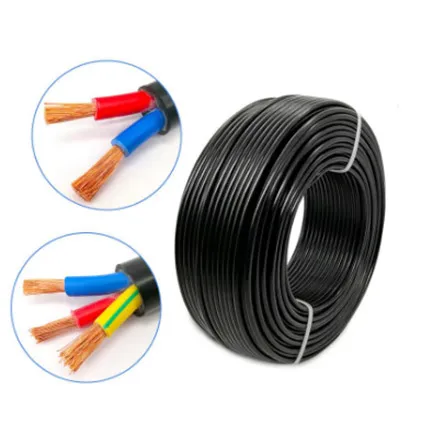
In the heart of a busy hospital, where every second counts and lives hang in the balance, there's an unsung hero working tirelessly behind the scenes: the electrical cable network. These unassuming bundles of wires are the lifelines that power life-saving equipment, maintain sterile environments, and keep critical systems running 24/7. For healthcare facilities, choosing the right electrical cables isn't just a matter of construction—it's a commitment to patient safety, operational efficiency, and long-term sustainability. As a trusted partner in the building materials industry, we understand that hospitals demand more than standard solutions. They require cables that can withstand the unique challenges of medical settings, from rigorous safety standards to the need for seamless integration with other critical systems. Let's explore how specialized electrical cables are shaping the future of healthcare infrastructure, and why partnering with a one-stop architectural solution provider can make all the difference in delivering exceptional medical facilities.
Hospitals are unlike any other building type. They house sensitive equipment like MRI machines, ventilators, and operating room lights—each with unique power requirements. They're also environments where safety is non-negotiable: oxygen-rich areas, constant foot traffic from staff and patients, and the need for strict infection control protocols all demand cables that go above and beyond standard commercial-grade products. A single cable failure could disrupt life support systems, compromise surgical procedures, or even trigger a fire risk. That's why medical-grade electrical cables must meet a laundry list of specialized criteria, from fire resistance to low smoke emission, and from durability to flexibility. In this section, we'll break down the critical attributes that set hospital electrical cables apart, and why cutting corners in this area is never an option.
| Requirement | Why It Matters | Industry Standards |
|---|---|---|
| Fire Resistance | Prevents flame spread in oxygen-rich environments; critical for patient evacuation time | UL 910 (Plenum Cable), IEC 60332-3-24 (Vertical Tray Fire Test) |
| Low Smoke & Toxicity | Reduces smoke inhalation risk during fires; ensures visibility for emergency response | EN 61034 (Smoke Density), IEC 60754-2 (Acidity of Gases) |
| Durability & Flexibility | Withstands frequent cleaning (chemical exposure) and tight installation spaces (e.g., walls, ceilings) | ISO 1043-1 (Abrasion Resistance), IEC 60228 (Conductor Class) |
| Electromagnetic Compatibility (EMC) | Minimizes interference with sensitive medical equipment (e.g., EKG machines, MRI scanners) | EN 55011 (Industrial, Scientific, and Medical Equipment) |
| Hygienic Design | Resists mold and bacterial growth; compatible with hospital-grade disinfectants | ISO 22196 (Antimicrobial Activity), FDA Guidelines for Medical Devices |
At Coloria, we don't just supply cables—we deliver peace of mind. As a leading electrical fixtures & cables supplier , we've spent decades refining our cables solutions to meet the exacting demands of healthcare environments. Our approach combines global expertise with local insights, ensuring that every product we offer aligns with both international safety standards and regional regulations—including those specific to the Middle East, where we've built a strong presence through our Saudi Arabian. Whether it's a general ward, an intensive care unit, or a state-of-the-art operating theater, our cables are designed to be the silent backbone of medical facilities, supporting life-saving care without compromise.
We offer a comprehensive range of cables tailored to different areas of a hospital, each engineered to address specific challenges:
Every cable in our portfolio undergoes rigorous testing, from voltage endurance and insulation resistance to flame propagation and smoke density. We're proud to hold certifications from global bodies like UL, CE, and ISO, as well as local approvals from Saudi Arabia's Standards and Metrology Organization (SASO), ensuring seamless integration into regional healthcare projects.
Hospitals are complex ecosystems, and electrical cables are just one piece of the puzzle. Imagine a scenario where a hospital project manager has to coordinate with multiple suppliers: one for cables, another for fireproof materials, a third for lighting fixtures, and a fourth for electrical panels. The result? Delays, miscommunications, and mismatched specifications that can derail timelines and inflate costs. This is where Coloria's strength as a one-stop architectural solution provider truly shines. We don't just deliver cables—we deliver cohesion. Our ability to integrate electrical cables with complementary products, from class a fireproof cpl inorganic board for hospital and school supplier solutions to energy-efficient lighting, creates a streamlined experience that simplifies project management and enhances overall system performance.
Let's take a closer look at how this integration works in practice. Consider a new hospital wing under construction in Riyadh, Saudi Arabia. The project requires not only reliable electrical cables but also fire-resistant wall panels, sterile ceiling systems, and smart lighting that adjusts to patient needs. By choosing Coloria as the single supplier, the project team gains:
This holistic approach isn't just about convenience; it's about building better hospitals. When all components work together seamlessly, the result is a facility that's safer, more efficient, and better equipped to adapt to evolving healthcare needs.
The Middle East is experiencing a boom in healthcare infrastructure, driven by initiatives like Saudi Arabia's Vision 2030, which aims to transform the kingdom into a global hub for medical tourism. With billions of dollars invested in new hospitals, clinics, and research centers, the demand for high-quality building materials—including specialized electrical cables—is skyrocketing. But entering this market isn't as simple as exporting products designed for Western standards. Local regulations, climate conditions, and cultural preferences all play a role in shaping project requirements. At Coloria, we've spent decades the Middle East market, establishing a local presence in Saudi Arabia and building relationships with key stakeholders, from government health ministries to leading construction firms. This on-the-ground experience gives us a unique advantage in delivering solutions that are both globally compliant and locally relevant.
Saudi Arabia's healthcare sector is undergoing rapid expansion, with projects like the King Abdullah Medical City in Riyadh and the Prince Mohammed bin Abdulaziz Hospital in Medina setting new standards for patient care. These facilities demand cables that can withstand the country's harsh climate—extreme temperatures, high humidity, and occasional sandstorms—while adhering to strict local regulations. For example, SASO (Saudi Standards, Metrology and Quality Organization) has specific requirements for electrical products, including resistance to corrosion from sand and dust, and compatibility with the kingdom's 127/220V electrical system. Our cables are engineered to meet these needs, with features like UV-resistant jackets for outdoor installations and dust-tight connectors for indoor use.
Beyond technical compliance, we understand the importance of aligning with Saudi Arabia's Vision 2030 goals, which emphasize and sustainable development. By partnering with local manufacturers for certain components and investing in training programs for Saudi engineers, we're not just supplying materials—we're contributing to the kingdom's long-term growth. For instance, in a recent project for a children's hospital in Jeddah, we worked with local electricians to train them on the installation of our LSZH cables, ensuring the project supported Vision 2030's localization targets while delivering a world-class facility.
"Coloria's ability to balance global expertise with local knowledge was instrumental in the success of our hospital project. Their team not only provided cables that met SASO standards but also offered insights into regional construction practices that helped us avoid costly delays. When we needed to adjust the cable specifications midway through the project, they delivered the revised order in record time—something our previous suppliers could never match."
Today's hospitals aren't just focused on patient care—they're also committed to reducing their environmental footprint. From energy-efficient lighting to water-saving fixtures, sustainability has become a core pillar of healthcare design. Electrical cables, often overlooked in this conversation, play a critical role in this journey. Traditional cables can contain harmful materials like lead and halogen, which not only pose risks during installation but also create disposal challenges at the end of their lifecycle. At Coloria, we're reimagining cables as part of the solution, not the problem. Our sustainable cable solutions align with global "net-zero" goals and Saudi Arabia's own commitment to the Paris Agreement, proving that safety, performance, and environmental responsibility can go hand in hand.
Our sustainable cable offerings are designed with the entire product lifecycle in mind, from raw material sourcing to end-of-life recycling:
But sustainability at Coloria goes beyond product design. As a company, we're committed to reducing our own carbon footprint, from optimizing our supply chain to minimizing waste in our manufacturing facilities. We're also proud to offer green building consulting services to our healthcare clients, helping them select not just sustainable cables but also complementary products like solar panels and energy-efficient lighting—all part of our mission to support the "dual carbon" goals sweeping the global construction industry.
As healthcare technology advances, so too do the demands on electrical infrastructure. Tomorrow's hospitals will rely on AI-powered diagnostic tools, remote patient monitoring systems, and even robotic surgery—all of which require cables that can handle higher bandwidths, faster data transfer, and smarter connectivity. At Coloria, we're already looking ahead, investing in research and development to create cables that don't just meet today's needs but anticipate tomorrow's challenges. Imagine a cable that can self-monitor for wear and tear, sending alerts to facility managers before a failure occurs. Or a cable that integrates with the hospital's IoT system to adjust power flow based on real-time equipment usage, reducing energy waste. These aren't science fiction—they're the innovations we're working on today.
Here's a glimpse into the trends that will define hospital cables in the years to come:
At the heart of all these innovations is a single focus: the patient. Every advancement in cable technology is ultimately about creating a safer, more comfortable, and more efficient environment for those in need of care. Whether it's reducing the risk of infection, minimizing downtime during emergencies, or lowering energy costs to free up funds for patient services, our mission remains clear: to power healthcare facilities that put people first.
When we think about what makes a hospital great, we often focus on the doctors, nurses, and cutting-edge equipment. But behind every successful surgery, every accurate diagnosis, and every patient's recovery is a network of unsung heroes—including the electrical cables that keep the lights on, the machines running, and the care flowing. At Coloria, we're proud to play a role in this critical ecosystem. As an electrical fixtures & cables supplier with decades of experience in the Middle East, we understand that hospital cables are more than just wires—they're lifelines. That's why we're committed to delivering solutions that prioritize safety, reliability, and sustainability, backed by the convenience of one-stop integration and the expertise of a team that truly cares about the impact of our work.
Whether you're building a new hospital in Riyadh, renovating a clinic in Jeddah, or upgrading an existing facility in Dubai, we're here to partner with you every step of the way. From the initial design phase to the final installation, and beyond, we'll work tirelessly to ensure your project has the cables—and the support—it needs to succeed. Because in the end, it's not just about building better hospitals. It's about building better futures for the communities they serve.
Ready to power your next healthcare project with cables you can trust? Contact our team today to learn more about our hospital-specific solutions and how we can help bring your vision to life.
Recommend Products












