
When you plug in your electric vehicle, you're not just charging a battery – you're engaging in a complex dance of electrons coordinated by unsung heroes. Most drivers think about range anxiety or charging times, but rarely consider the specialized cables, sockets , and grid protection systems making it all possible. This hidden infrastructure is what stands between a smooth commute and a melted charging port.
Picture this: it's pouring rain, and you're rushing to plug in after a long drive. That cable connecting your car to the charging station isn't just waterproof – it's a technological marvel engineered to handle extremes your phone charger couldn't dream of.
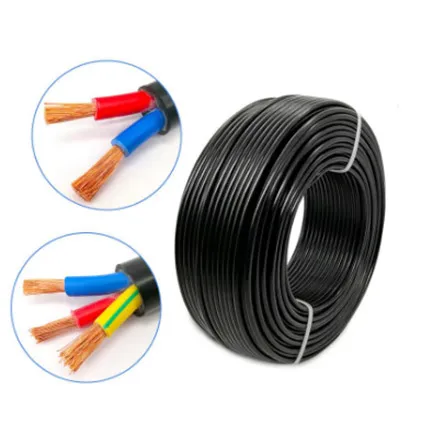
Unlike ordinary copper wiring, EV charging cable conductors belong to category 6 in EN60228 specifications. They're the Olympic athletes of the electrical world – either tin-plated or bare copper in sections ranging from 0.5mm² (for signal lines) to 16mm² for heavy current transfer. These conductors can't just do their job; they must outperform it daily while resisting corrosion and fatigue.
Insulation Layer:
The first line of defense isn't just wrapped around conductors – it's extruded onto them with military precision. Even when stripped away, it shouldn't damage the underlying material.
Shielding:
A braided shield of bare or tinned copper creates a Faraday cage around the conductors, preventing electromagnetic interference that could disrupt communication signals.
Outer Sheath:
The final skin fights environmental hazards most materials would surrender to. Testing includes exposure to UV radiation, extreme temperatures (-40°C to 125°C), oils, and abrasion. The sheath must be thick enough to protect but flexible enough for daily coiling.
That satisfying click when plugging in? It's the start of a digital courtship ritual before any electricity flows. The socket doesn't just deliver power – it conducts a constant conversation about readiness.
While they might seem like glorified power outlets, EV sockets have complex internal architecture. Temperature sensors constantly monitor for overheating. Locking mechanisms prevent accidental disconnection during charging. Pilot pins negotiate charging rates before the main current flows. This entire ecosystem must work flawlessly after thousands of rough insertions by hurried drivers.
Before electrons flow, your car and charger exchange digital introductions. Using control pilot signals, they establish:
Maximum available current
Ground fault monitoring status
Vehicle battery state
Ventilation requirements
Only when all systems report green does the main contactor close. This handshake routine happens thousands of times daily at busy charging stations, each time preventing potential disasters.
While you're sleeping, transformers in your neighborhood are working overtime. Residential transformers installed before the EV revolution were never designed for simultaneous charging demands. Without smart protection systems, your midnight charge might leave the whole block in darkness.
This isn't science fiction – it's the real-time, AI-powered load balancing happening across smart charging networks:
Sensors track temperature rise and load profiles, creating neighborhood charging "weather maps".
Commercial chargers might temporarily throttle while residential charging gets priority during off-peak hours.
Instead of fixed 7kW or 11kW, chargers can dynamically adjust output based on grid capacity.
When prevention fails, failsafe systems deploy:
► Step-down Protocols:
Instead of abrupt shutdowns, chargers gradually reduce power output
► Circuit Segmentation:
Isolating charging circuits from other building loads
► Load Shedding:
Temporarily disconnecting the least critical charges first
When cables, sockets, and protection systems work in concert, magic happens. Take the example of a typical shopping center installation:
A 5-stall charging hub integrates with the mall's energy management system. During peak shopping hours when HVAC systems are maxed out, chargers automatically shift to battery buffering mode. By 9 PM when stores close, they're drinking greedily from the grid while building chillers cycle down. The secret lies in fiber optic communication cables linking every component faster than you can say "range anxiety".
Meanwhile, wall panels housing the charging electronics regulate temperature and humidity. Aluminum profiles surrounding sockets provide structural integrity during the daily wrestling match with clumsy cables. It's an ecosystem designed for resilience.
Emerging technologies will make today's charging solutions look like tin cans and string:
Next-generation cables aren't dumb conduits – they'll be diagnostic tools with:
Future sockets won't just receive power – they'll give it back. Vehicle-to-grid (V2G) technology turns electric cars into grid assets. During peak demand, your parked EV could power your home or feed surplus energy back to the grid. This requires cables, sockets, and protection systems that understand energy flow in both directions.
Next time you plug in your EV, take a moment to appreciate the technological ballet happening at your fingertips. Those special cables, precision sockets, and vigilant protection systems work continuously so you don't have to worry about your midnight charge frying the neighborhood's transformers. They're the invisible guardians of the electric revolution – making EV ownership as safe as it is revolutionary.
As we accelerate toward an electric future, these components will evolve from technical necessities to intelligent partners in energy management. Because the real journey isn't just about getting from point A to B – it's about getting there safely, efficiently, and without melting anything along the way.
Recommend Products












