Ever walked into a restaurant kitchen during Friday night rush? It’s like watching a
well-choreographed ballet
– until someone’s scrambling for the Sauvignon Blanc tucked behind industrial-sized pickle jars. That chaos? It’s the opposite of
efficient
– a word Dictionary.com defines as
"achieving maximum productivity with minimum wasted effort."
In wine storage, efficiency isn’t just fancy jargon; it’s the secret sauce keeping your Chardonnay chilled and your profits bubbling.
Restaurant owners often tell me:
"Why bother optimizing wine storage? It’s just bottles in a fridge."
Oh, sweet summer child. Imagine handing a chef a blunt knife – that’s what inefficient storage does to your service flow. We’re talking about
time leaks
when servers hunt for vintages,
profit leaks
from spoiled inventory, and
reputation leaks
when tableside service fizzles. This isn’t just storage design; it’s business continuity.
Why Efficiency in Wine Storage Matters More Than You Think
Think back to your last 5-star dining experience. That perfect pour didn’t happen by accident. Behind velvet curtains lives a
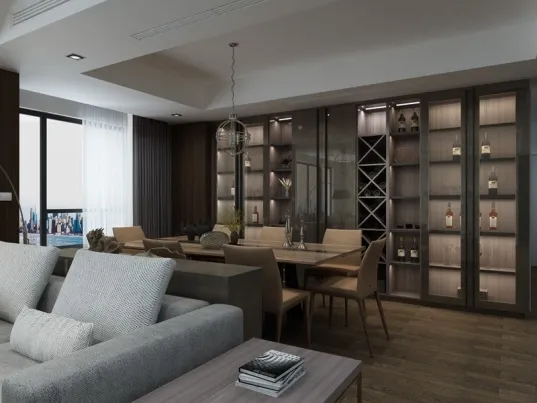
temperature-controlled wine cabinet
(there’s our first *mandatory keyword*!) humming like a Swiss watch. Commercial kitchens operate on
precision instruments
, not storage guesswork. Every minute saved retrieving a Cabernet feeds directly into customer satisfaction metrics – and we all know what happens when reviews go south.
Here’s a truth bomb from a sommelier friend:
"Good wine storage isn’t passive – it’s active business strategy."
His downtown bistro saw a 12% revenue jump just by rethinking cellar layout. Why? Staff spent less time playing bottle Jenga and more time creating magical moments. That’s efficiency with emotional returns – the kind that has guests posting #WineMagic selfies.
Blueprints for Bottle Brilliance: Design Fundamentals
Picture this: An ergonomic workspace where every Merlot and Malbec has VIP parking. Achieving this doesn’t require magic – just smart thinking:
-
Zone Architecture
: Designate sectors for sparkling, reds, whites and reserves. Like a kitchen’s hot/cold stations, separation speeds service. Ever seen a Champagne glass poured from a warm bottle? Tragic.
-
Access Fluid Dynamics
: Position high-turnover bottles at hip height. Reserve top shelves for rare pours needing step stools. Your servers’ knees will sing hallelujah.
-
Thermal Integrity
: Dual-zone units maintaining 55°F for reds and 45°F for whites beat Frankenstein temperature compromises. Remember: vibration is the silent assassin of delicate wines.
-
Humidity Guardianship
: Steady 70% humidity keeps corks supple. Too dry? Shriveled corks mean oxidized vinegar. Too damp? Hello, moldy labels – not exactly Instagram gold.
Real-World Transformations: Efficiency Made Tangible
"Before our redesign, opening shifts felt like archaeological digs – staff scraping for Prosecco under aprons and pasta sacks. After installing custom wine walls? Sommeliers glide like figure skaters."
That’s from Gina Cortez, manager at
Barolo Nights
. Her team cut bottle retrieval from 3 painful minutes to 22 seconds. How? By implementing these changes:
-
Data-Driven Organization
: Inventory software tracking "pour frequency" ensures popular bottles live in the golden triangle (waist to eye level)
-
Vertical Integration
: Slim-profile racks reclaim 23% of floor space – critical in postage-stamp urban kitchens
-
Modular Flexibility
: Sliding shelves adapt to magnum specials or half-bottle promotions without engineering degrees
Gina’s team now handles double the covers without breaking a sweat. Their secret?
"Storage that anticipates needs before we articulate them."
That’s efficiency whispering sweet nothings to your bottom line.
Beyond the Bottle: Sustainability & Service Synergy
True efficiency never stops at function – it bleeds into ethos. Consider:
-
Energy Alchemy
: Modern cabinets now sip electricity – the equivalent of powering 3 lightbulbs instead of a space heater. For chains with 100+ units? That’s tuition-funding savings.
-
Waste Warfare
: Integrated UV glass blocks heat-creep, reducing cooling cycles. Less compressor stress = fewer landfill trips for dead units.
-
Staff Synchronicity
: When storage makes intuitive sense, training time halves. New hires transition from "Where’s the Pinot?" to confident sommeliers faster.
These nuances matter deeply. A survey by
Hospitality Digest
revealed 68% of guests associate wine service smoothness with overall establishment quality. That’s emotional currency only optimized spaces create.
The Long Pour: Investing in Efficiency Returns
Restructuring storage feels like detour – until you see the ROI pathways:
-
Inventory Longevity
: Properly stored wines last 20% longer, preserving margin on expensive reserve lists
-
Labor Economics
: Shaving 1 minute per bottle search across 10 staff saves 70+ hours monthly – enough for deep service training
-
Ambiance Dividends
: Confident pours create theater, encouraging upsells and repeat reservations
Marcus Renfield, owner of
Vine & Dine
, summarized it perfectly:
"Efficient storage is the quiet drummer keeping our restaurant band in rhythm. Nobody sees it, but everything falls apart without it."
After upgrading to climate-controlled cabinets, his wine program became their #1 profit center – outpacing even signature entrées.
The Uncorking: Your Action Plan
Transforming wine storage isn’t about massive overhauls; it’s intentional tweaks:
-
Audit First
: Time staff retrieving 20 random bottles (phone timers work)
-
Digital Recon
: Use apps like CellarTracker to map frequent-flier wines
-
Prototype Zones
: Repurpose one cabinet section with sliding racks for a week. Measure service speed changes
Efficient wine storage transcends mere organization – it’s
operational poetry
. When every bottle has its perfect place, servers move with balletic confidence, wines mature gracefully, and guests taste the difference in every glass. Ultimately, well-crafted storage design doesn’t just hold wine; it holds the essence of memorable hospitality.