


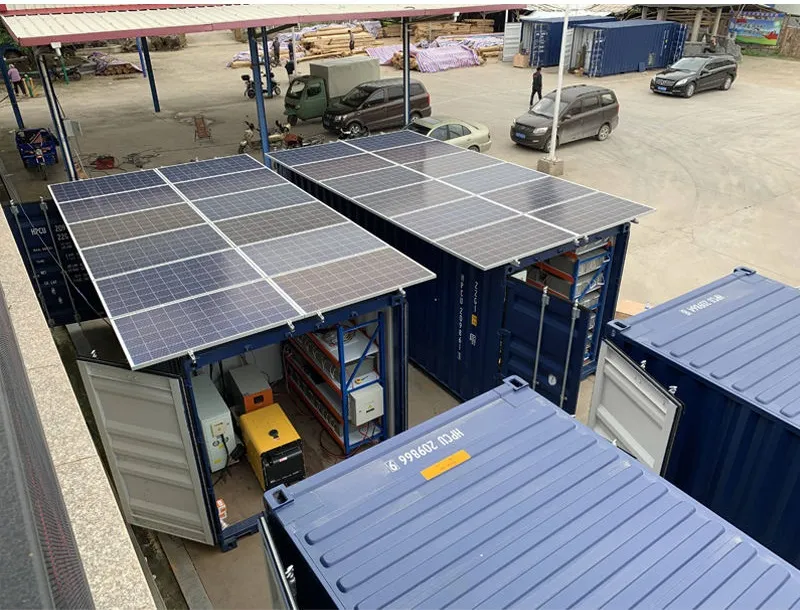
Did you know that simply changing the coating on solar panels can boost their efficiency by up to 4%? That might not sound like much, but over a panel's lifetime, that small percentage translates into significant energy gains and cost savings . Today, we're digging into one of solar technology's most crucial yet overlooked features: anti-reflective coatings.
Why Your Solar Panels Need Special Glasses
Picture this - a bright sunny day, your solar panels soaking up all that golden sunshine. But what if I told you that up to 30% of that precious sunlight is just bouncing off like a basketball hitting concrete? That's exactly what happens with ordinary glass panels. The physics are simple: light hits glass, glass says "no thanks," and sends those photons packing.
This is where anti-reflective coatings (ARC) come to the rescue. Think of them as the matte finish on a premium photo versus glossy prints. Where the glossy glare washes out details, the matte finish captures everything clearly. Anti-reflective coatings work similarly for solar panels - they grab the sunlight that ordinary glass would've rejected.
Ordinary Glass Panels
Standard solar panels use tempered glass that:
- Reflects up to 8% of incoming light immediately
- Loses another 4-6% through internal reflections
- Performs worst during dawn/dusk when sunlight hits at angles
- Accumulates glare that can actually disturb neighbors or wildlife
ARC-Coated Panels
Panels with anti-reflective coatings:
- Cut initial reflection to less than 2%
- Use light-trapping technology inspired by butterfly wings
- Perform consistently even in low-light conditions
- Reduce glare by diffusing reflections in multiple directions
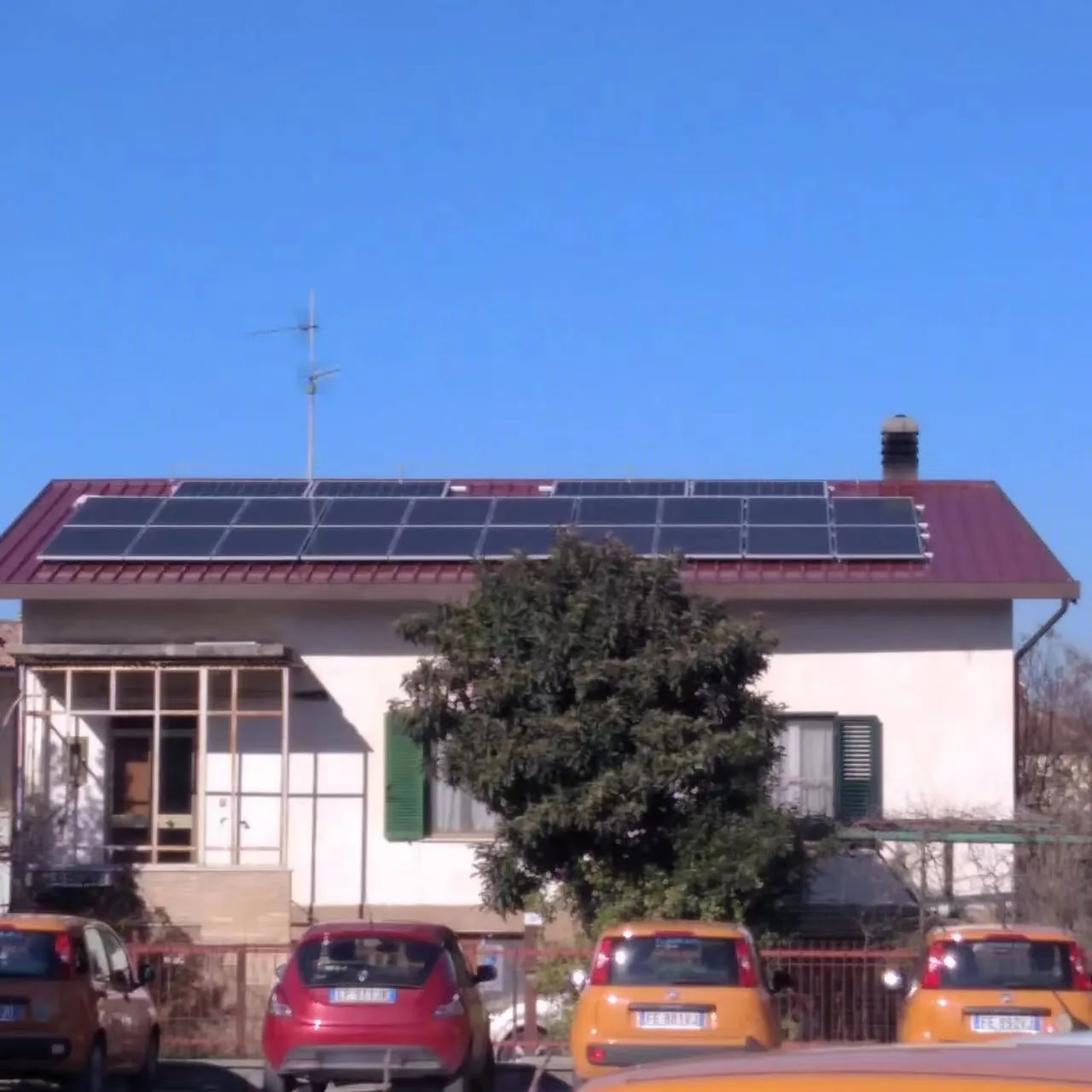
The Science Behind the Shine
So how exactly does this coating magic work? Anti-reflective coatings aren't just a simple paint job. They're typically made from thin layers of metal oxides like silicon nitride or titanium dioxide applied through sophisticated techniques like chemical vapor deposition. These create microscopic textures that trick light into entering instead of bouncing away.
The secret is "destructive interference" - where reflected light waves cancel each other out. The coating's thickness is precisely calibrated to be exactly 1/4 the wavelength of sunlight. When light reflects off both the coating's surface and the glass underneath, these reflections collide and neutralize each other.
The innovation doesn't stop there. Modern double-layer coatings combine different materials to capture a wider light spectrum. The first layer grabs blue light, the second catches red light. Some even incorporate hydrophobic elements that help rainwater wash away dust while maintaining transparency.
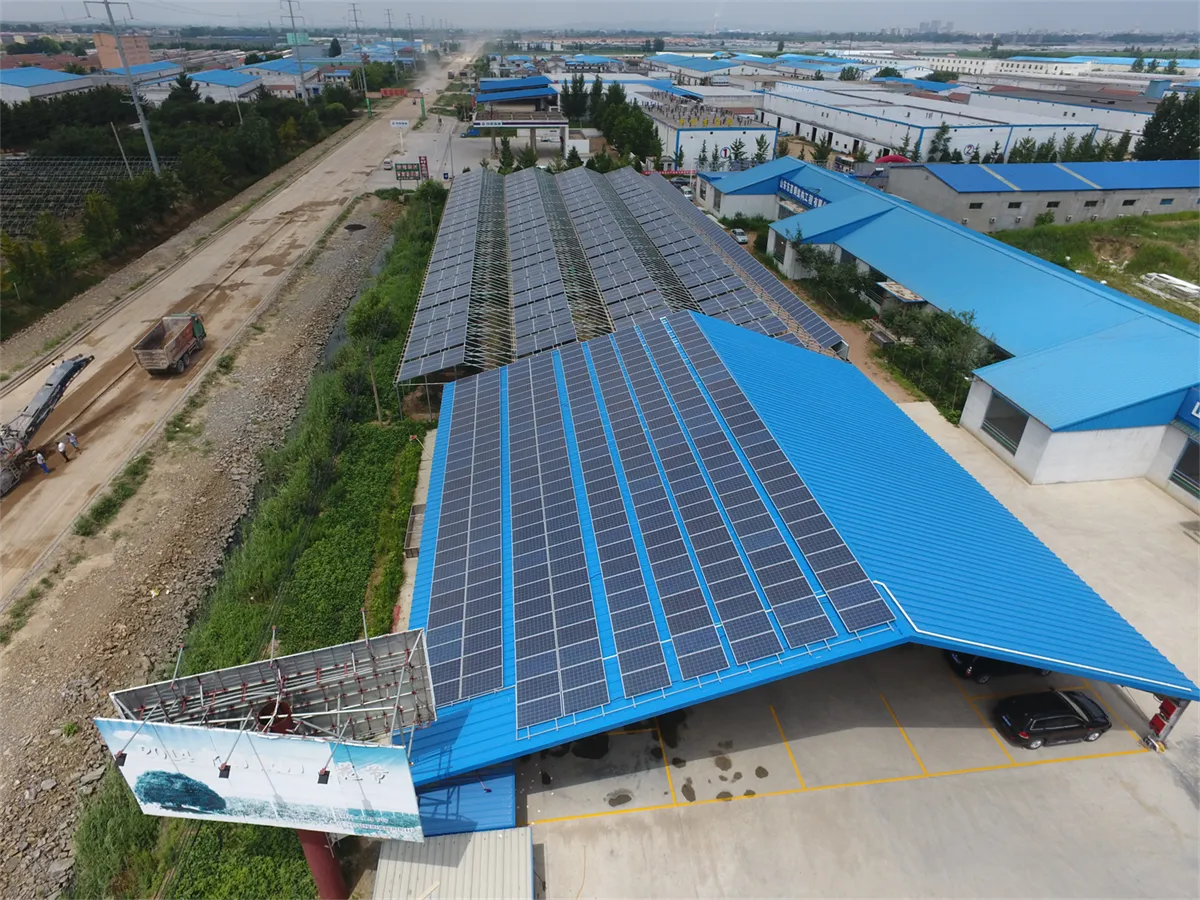
Real World Impact: More Than Just Numbers
Let's talk about what this efficiency boost actually means for you. That 4% efficiency difference isn't just a lab statistic - it translates to:
- More daily energy: An extra 20-30 minutes of equivalent peak production
- Better ROI: Payback period shortened by 6-18 months
- Space efficiency: Needing 5% fewer panels for the same output
- Durability edge: Coatings provide added UV protection to prevent glass degradation
Consider a typical 300-watt panel: without ARC coating, it might actually deliver just 285 watts during ideal conditions due to reflections. With ARC? You're getting a solid 295+ watts consistently throughout its 25-year lifespan.
The Glare Factor: More Than Just Efficiency
Here's something many overlook - solar glare. Ordinary glass panels act like mirrors, concentrating reflections that can actually become aviation hazards near airports or visual nuisances in residential areas. This became such a concern that the French region of Provence-Alpes-Côte d'Azur implemented strict glare regulations for solar installations.
Anti-reflective coatings solve this two ways: they dramatically cut the total reflected light AND scatter what little reflection remains in multiple directions, preventing concentrated glare. Modern panels also incorporate anti-glare properties that use micro-texturing similar to frosted glass but without compromising light transmission.
This feature isn't just about neighbor relations. Reduced glare actually helps wildlife too. Birds are less likely to mistake solar arrays for bodies of water, and the diffused reflections don't disrupt insect navigation patterns like concentrated reflections can.
Durability Showdown: Long-Term Performance
"But won't these fancy coatings wear off?" That's a common concern, and for good reason. Early anti-reflective coatings did suffer from:
- Abrasion during cleaning
- Chemical degradation from acid rain
- Delamination in humid environments
Modern solutions have largely overcome these issues. Industry leaders now use:
- Self-repairing silica-based coatings
- Multilayer barrier systems (like ZrO₂/SiO₂)
- Combined hydrophobic/oleophobic properties
- Abrasion-resistance comparable to automotive finishes
Third-party accelerated aging tests show current coatings retain 95%+ effectiveness after 25 years of simulated exposure. The main vulnerability? Improper cleaning techniques. Always soft-brush rather than abrasive scrub!
Practical Considerations: Is ARC Worth It?
Here's the real talk - ARC panels typically cost 10-15% more than ordinary glass panels. But that premium pays back within 3-5 years through energy gains. Plus, you gain:
- Reduced installation space requirements
- Lower chances of glare-related complaints
- Increased system value at resale
- Lower per-watt cost over the system lifetime
When choosing panels, look beyond the sticker price. The true value lies in lifetime energy yield. It's like comparing two cars based only on upfront cost while ignoring fuel efficiency. With solar technology continuously improving, collaborating with reputable solar panel suppliers ensures you get both performance and value.
Future Innovations: What's Next for Solar Coatings?
The coating evolution isn't slowing down. We're seeing exciting developments like:
- Passive-cooling coatings: Reflecting infrared heat to keep panels cooler and more efficient
- Self-cleaning surfaces: Using photocatalytic reactions where light actually breaks down organic debris
- Hybrid functionality: Combining anti-reflective, anti-soiling, and anti-glare in one coating
- Quantum dot enhancements: Converting UV light to visible wavelengths panels can use
These advances will likely shift ARC coatings from premium options to standard features within the next 5-7 years as manufacturing scales and costs continue to drop.
The Bottom Line: Efficiency Matters
Choosing between anti-reflective coated and ordinary glass panels isn't just about technology - it's about long-term energy yield. While both will generate clean energy, ARC panels consistently deliver 3-4% more power throughout their lifetime. That's not insignificant when scaled across a whole solar array.
Ultimately, the choice depends on your specific needs. For maximum performance, especially in areas with challenging light angles or low peak sun hours, ARC coatings offer undeniable advantages. For small, non-critical installations with ample space? Ordinary glass might suffice. But with the price gap narrowing every year and new developments on the horizon, anti-reflective technology is clearly where solar panels are heading.










