

Walk into any school, and you'll quickly realize that the walls, floors, and overall environment do more than just fill space—they shape how students learn, teachers teach, and communities thrive. A classroom that feels cold, drab, or worn down can dampen curiosity; one that's bright, durable, and thoughtfully designed can spark engagement. But here's the challenge: educational spaces face unique demands. They need to be safe above all else, resilient enough to withstand daily chaos (think backpacks slung against walls, art projects gone rogue, spills in the hallway), and stylish enough to inspire. Enter PU stone wall panel solutions —a modern answer to the age-old struggle of balancing safety, aesthetics, and practicality in schools. Let's dive into why these panels, paired with specialized materials like Class A fireproof CPL inorganic boards , are becoming the go-to choice for forward-thinking educational institutions.
For decades, schools have relied on tried-and-true materials: drywall painted in muted tones, tile that chips easily, or heavy natural stone that's costly to install and maintain. But let's be honest—these options often miss the mark. Drywall, for example, might be cheap, but a single errant soccer ball or a sticky handprint can leave a permanent mark. Paint fades, and if moisture seeps in (hello, leaky windows or a spilled water bottle), mold can grow—posing health risks for kids with allergies. Natural stone, on the other hand, looks stunning but is heavy, requiring reinforced structures and specialized installers. It's also porous, meaning stains from juice boxes or craft glue become permanent eyesores.
Then there's safety—a non-negotiable in schools. Many traditional materials lack proper fire resistance, putting students and staff at risk in emergencies. Others, like wood panels, can harbor bacteria or pests, turning classrooms into hidden breeding grounds for germs. And let's not forget sustainability: with schools under pressure to reduce their carbon footprint, materials that require excessive energy to produce or frequent replacement simply don't cut it anymore.
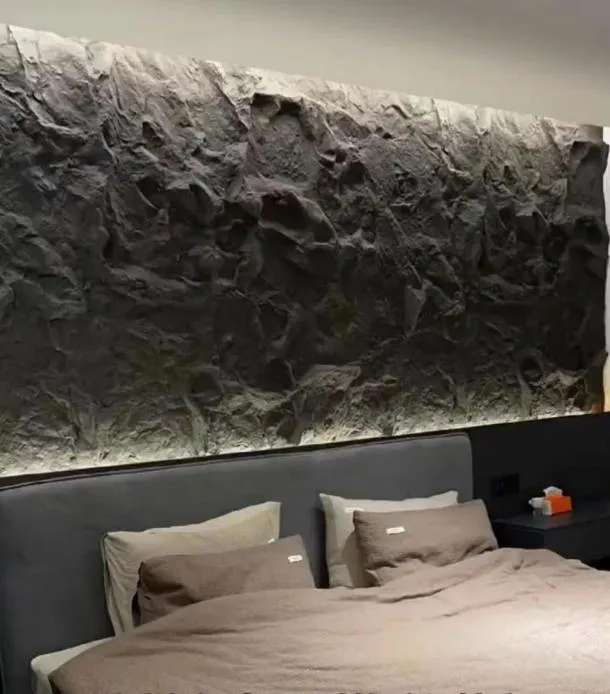
If you're picturing clunky, fake-looking "faux stone" panels from the 90s, think again. Today's PU stone wall panel solutions are a far cry from their predecessors. Made from high-density polyurethane (PU) foam infused with mineral fillers, these panels mimic the texture, color, and depth of natural stone—granite, limestone, slate—so well that you'd swear you're touching the real thing. But unlike natural stone, they're lightweight (around 3-5 kg per square meter), flexible, and designed with educational spaces in mind.
In schools, safety isn't just about fire drills—it's about preventing accidents before they happen. PU stone wall panels excel here. Most are fire-rated (often Class B or higher, with premium options reaching Class A), meaning they resist ignition and slow the spread of flames. That's a huge relief for administrators tasked with keeping hundreds of students safe. But their safety benefits don't stop there. These panels are impact-resistant, so a wayward basketball or a student tripping into the wall won't leave a gaping hole. They're also moisture-proof, thanks to their closed-cell structure, which prevents water from seeping in and causing mold or rot. For schools in humid climates or areas prone to leaks, this is a game-changer.
Hygiene is another win. Unlike porous materials like natural stone or wood, PU panels have a smooth, non-porous surface that's easy to clean. A quick wipe with a mild detergent removes crayon marks, food spills, or sticky residue—no harsh chemicals needed. This is especially important in elementary schools, where little hands are constantly touching walls. And because they're resistant to bacteria growth, they help maintain healthier indoor air quality, reducing absences due to colds or allergies.
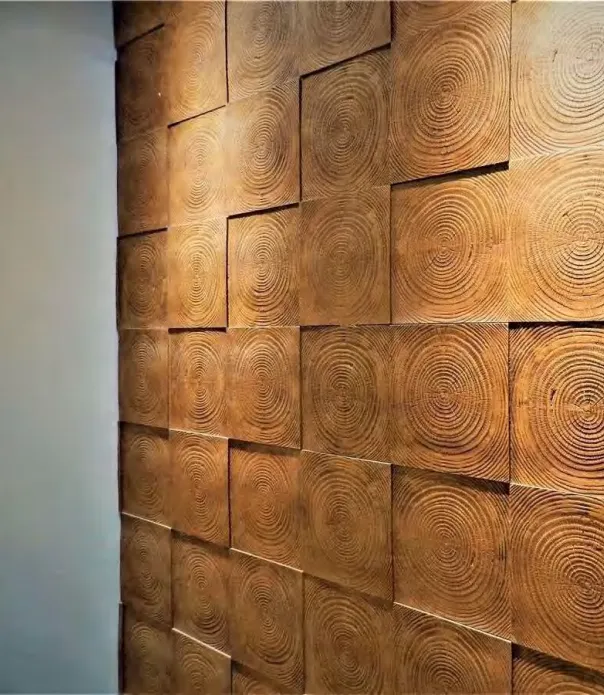
Let's talk about aesthetics. A classroom shouldn't feel like a sterile box—it should feel like a space where ideas grow. PU stone wall panels offer endless design flexibility. Want a warm, earthy vibe for a kindergarten class? Opt for panels that mimic sandstone or travertine, with soft, rounded edges. For a modern high school science lab, sleek, dark gray "granite" panels can add a professional, sophisticated touch. Some suppliers even offer custom colors and textures, letting schools brand their spaces with school colors or local cultural motifs.
Installation is a breeze, too. Unlike natural stone, which requires heavy machinery and days of labor, PU panels are lightweight and can be cut with standard tools. They attach to walls using adhesives or mechanical fasteners, reducing installation time by up to 50% compared to traditional materials. This means less disruption during school renovations—critical for keeping classes on schedule. And because they're flexible, they can be installed on curved walls or ceilings, opening up creative design possibilities for auditoriums, libraries, or entrance lobbies.
Today's students care deeply about the planet, and schools are taking notice. PU stone wall panels are surprisingly eco-friendly. Many are made from recycled materials, and their lightweight nature reduces transportation emissions. They also have a long lifespan—15-20 years with proper care—meaning less frequent replacement and less waste. Plus, since they're energy-efficient (PU foam has insulating properties), they can help schools reduce heating and cooling costs, freeing up budget for textbooks, laptops, or field trips.
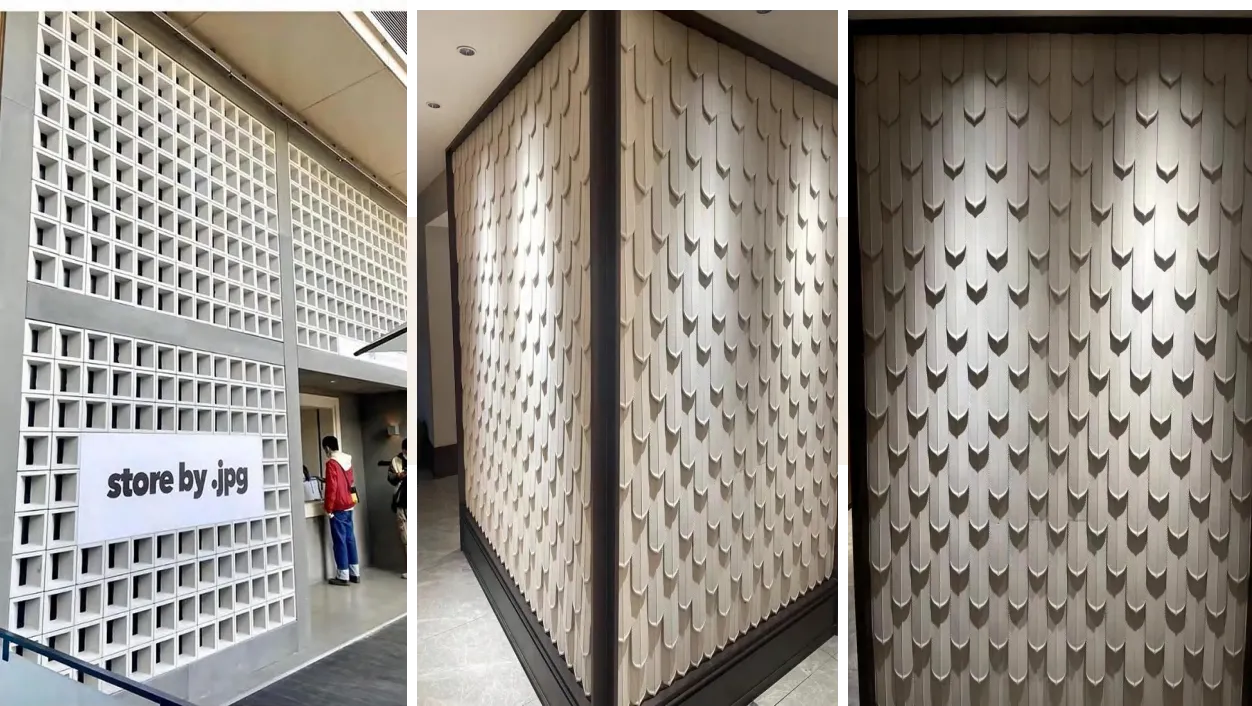
PU stone wall panels aren't just for classrooms—they're versatile enough to transform every corner of a school. Let's break down their applications:
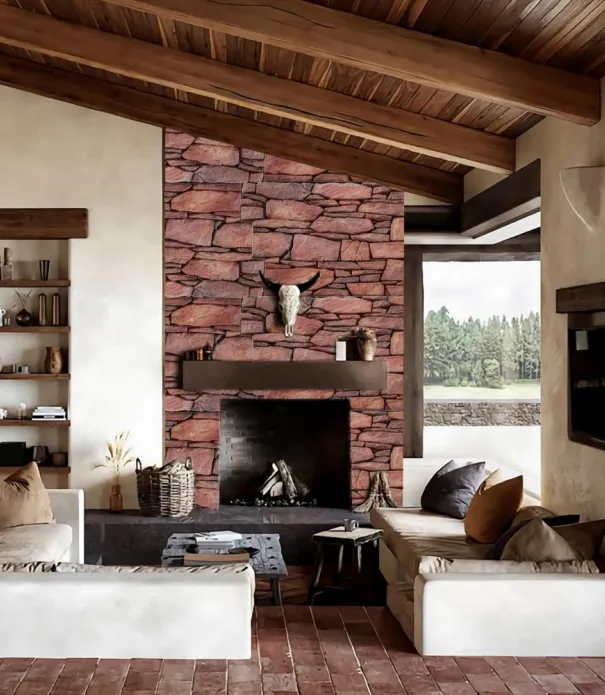
While PU stone panels are perfect for most school areas, some spaces demand an extra layer of safety. Think chemistry labs, server rooms, or storage areas for flammable materials. That's where Class A fireproof CPL inorganic board for hospital and school solutions comes in. These boards are engineered for extreme fire resistance—they're non-combustible, meaning they won't catch fire even when exposed to high temperatures. In fact, they meet the strict Class A fire rating, the highest standard for building materials.
But fire safety isn't their only claim to fame. CPL (Continuous Pressure Laminate) inorganic boards are made from inorganic materials like cement, mineral fibers, and resin, making them resistant to water, mold, and chemicals. In a chemistry lab, where spills of acids or solvents are possible, these boards won't degrade or release toxic fumes. They're also impact-resistant and easy to clean, just like PU panels, making them a durable choice for high-stress environments.
Pairing PU stone panels with Class A fireproof CPL boards creates a comprehensive safety strategy. Use PU panels in classrooms and common areas for style and everyday durability, then install CPL boards in labs, boiler rooms, or electrical closets for maximum fire protection. It's a one-two punch that ensures every inch of the school is safe and stylish.
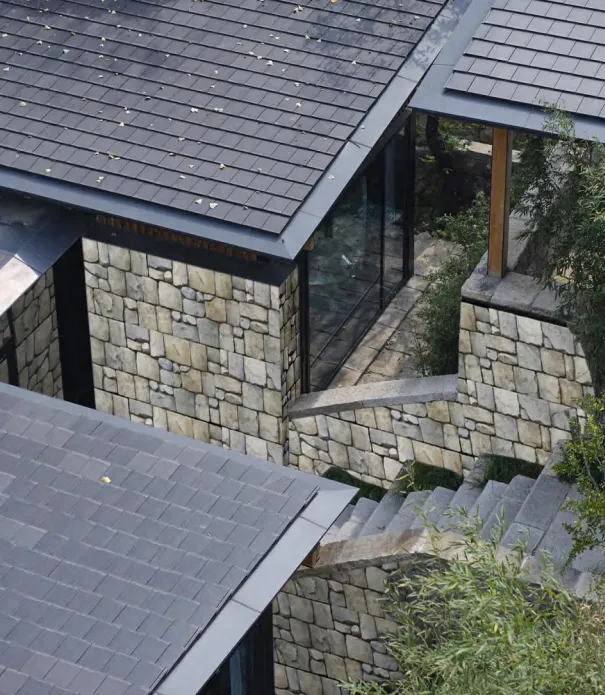
Still on the fence about PU stone wall panels? Let's put them head-to-head with traditional materials in a side-by-side comparison:
| Feature | Drywall (Traditional) | Natural Stone | PU Stone Wall Panels | Class A Fireproof CPL Inorganic Boards |
|---|---|---|---|---|
| Fire Resistance | Low (Class C or unrated) | Moderate (Class B, but heavy smoke when burned) | High (Class B to Class A) | Extreme (Class A, non-combustible) |
| Impact Resistance | Poor (easily dented or punctured) | High (but brittle, can crack) | High (flexible, resists dents) | High (rigid, impact-resistant) |
| Moisture Resistance | Poor (prone to mold) | Moderate (porous, stains easily) | Excellent (closed-cell, waterproof) | Excellent (inorganic, mold-proof) |
| Installation Time | Moderate (requires taping, mudding, painting) | Long (heavy, needs structural support) | Fast (lightweight, easy to cut/attach) | Moderate (rigid, but no special tools needed) |
| Aesthetics | Basic (limited to paint colors) | High (natural beauty, but limited styles) | High (mimics natural stone, custom styles) | Moderate (sleek, modern, limited textures) |
| Maintenance | High (needs frequent repainting, repairs) | High (sealing every 1-2 years, stains hard to remove) | Low (wipe clean, no sealing needed) | Low (wipe clean, chemical-resistant) |
| Sustainability | Low (frequent replacement, high embodied energy) | Moderate (natural, but heavy transportation emissions) | High (recycled materials, long lifespan) | High (inorganic, long lifespan, low maintenance) |
As the table shows, PU stone wall panels and Class A fireproof CPL boards outperform traditional materials in nearly every category—safety, durability, aesthetics, and sustainability. They're not just a trend; they're a smarter investment in the future of education.
Not all PU stone wall panel suppliers are created equal. To ensure you're getting a quality product, look for a PU stone wall panel supplier with a proven track record in educational projects. Ask for certifications: fire ratings, moisture resistance tests, and eco-friendly credentials. A reputable supplier will also offer samples, so you can feel the texture and see the color in person before committing. For Class A fireproof CPL boards, verify that they meet local building codes for schools and hospitals—this is non-negotiable.
Installation support is another key factor. The best suppliers don't just sell materials—they provide guidance on installation, recommend contractors, and offer warranties. Schools often work with tight budgets and timelines, so a supplier who can streamline the process is worth their weight in gold.
Schools are more than buildings—they're hubs of learning, creativity, and community. The walls that surround students every day play a silent but powerful role in shaping their experiences. By choosing PU stone wall panel solutions and Class A fireproof CPL inorganic board solutions , educational institutions can create spaces that are safe enough to protect, stylish enough to inspire, and durable enough to last for decades. These materials aren't just about aesthetics or safety—they're about investing in the future of education. After all, when students walk into a classroom that feels bright, welcoming, and built to last, they don't just learn—they thrive.
So, to all the principals, architects, and administrators out there: it's time to leave traditional wall materials in the past. Embrace the future with PU stone panels and Class A fireproof CPL boards. Your students, teachers, and community will thank you.
Recommend Products











