
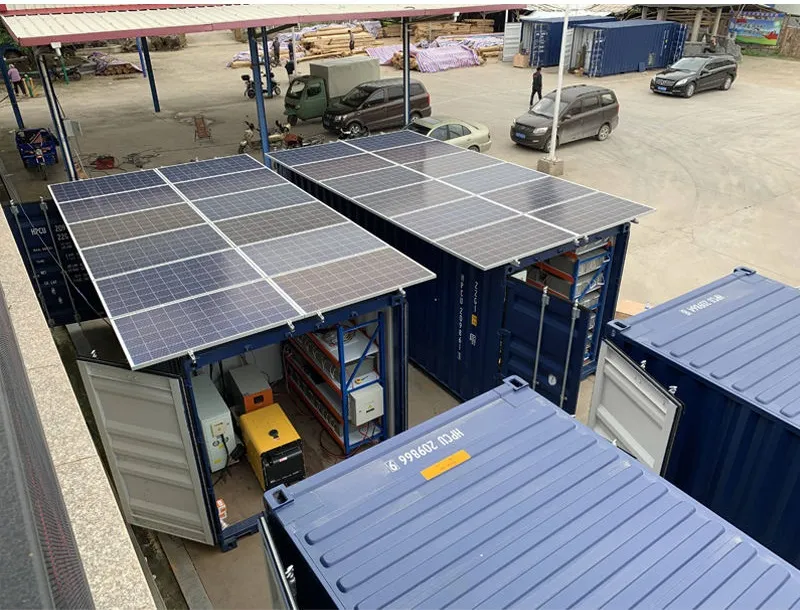
In Nigeria, where sunlight beams down like nature's own currency, filling stations stand as energy paradoxes – they fuel vehicles while guzzling diesel for their operations. Picture the scene: generators humming loudly, smoke curling into the air, and operational costs bleeding profits. But what if these same stations could flip the script? Imagine solar panels glinting on rooftops where diesel tanks once ruled, turning petrol stations into clean energy hubs that power themselves and even feed surplus electricity back to the grid. This economic transformation isn't science fiction; it's a tangible reality unfolding across Nigeria.
Let's cut straight to the heart of the matter – Nigeria's grid electricity is about as reliable as a rain dance during drought season. It's not uncommon to experience 11+ hours of daily blackouts in bustling cities like Lagos. As of 2011, grid customers faced roughly 28 power interruptions per day . This energy chaos forces businesses into a painful corner: rely on expensive, polluting diesel generators or shut down operations.
The math is eye-popping: Nigeria imports over $250 million worth of diesel generators annually. Just in residential spaces, diesel gensets pump out 0.16 million tons of CO₂ yearly. For filling stations? That jumps to a staggering 4.77 million tons of annual CO₂ emissions from 10,000 stations consuming an average of 50 liters/day.
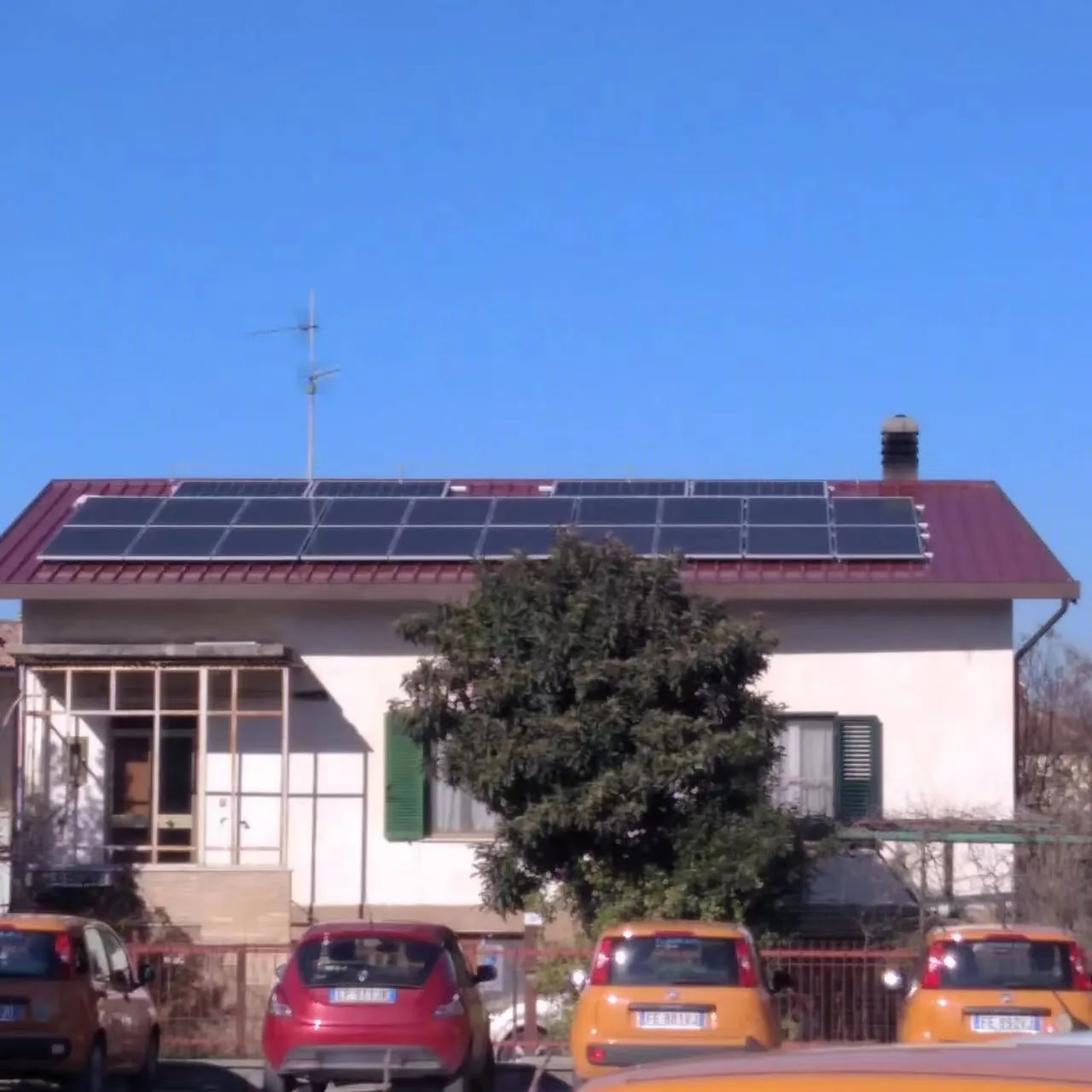
Here's where solar transforms from eco-friendly dream to cold, hard financial reality. Research from Port Harcourt filling stations reveals solar systems achieve payback in just 1-4 years , depending on station size. The numbers below show why this transition makes dollars and sense:
| Filling Station Type | Daily Diesel Consumption | Annual Diesel Cost (₦) | Solar Break-Even Period | Emissions Eliminated (tons CO₂/year) |
|---|---|---|---|---|
| 4-nozzle station | 30 liters | 6,570,000 | 1 year | 28.7 |
| 6-nozzle station | 50 liters | 10,950,000 | 2 years | 47.9 |
| 12-nozzle station | 100 liters | 21,900,000 | 4 years | 95.8 |
These stations aren't small energy users either – average consumption ranges from 22.35 kWh for smaller stations to 41.7 kWh for larger ones . Solar doesn't just replace diesel; it generates valuable excess power. An 8-nozzle station study showed surplus energy production worth ₦1.2 million annually – that's pure profit from sunshine!
One fascinating concept emerges from the Port Harcourt research: when diesel prices hit ₦441/liter , solar becomes unavoidably economical regardless of station size. We're already flirting with ₦850/liter territory. At today's prices, the question isn't "Why switch to solar?" but "Why haven't we switched already?"
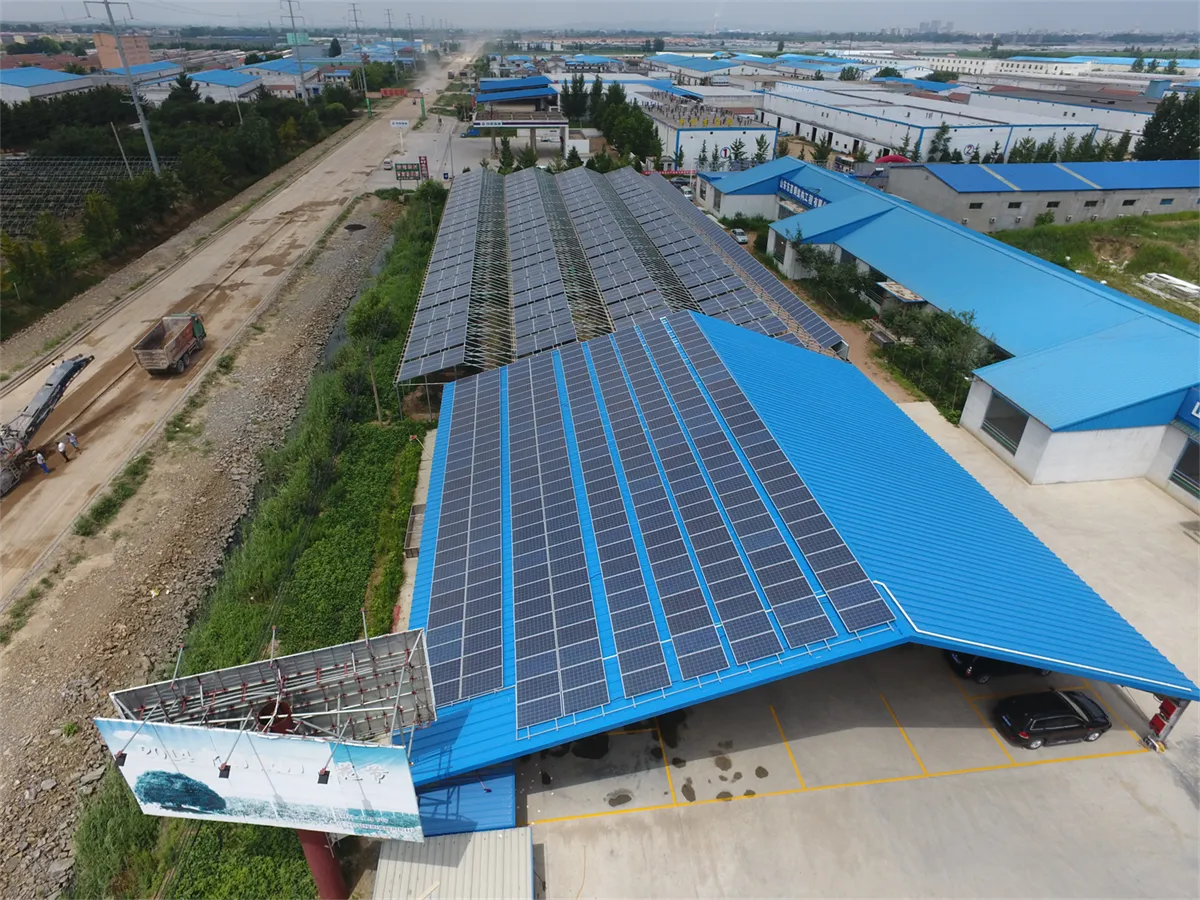
Solar in Nigeria isn't just slapping panels on a roof. It requires smart engineering and adaptation to local conditions. Port Harcourt serves as the perfect testing ground with its lower-than-average solar irradiance of 4.58 kWh/m²/day and 6.77 peak sunlight hours. If solar works here, it works everywhere in Nigeria.
For filling stations, we're talking robust hybrid systems:
The beauty? These stations become micro-power plants. During daytime operations, solar handles 90%+ of operational loads while charging batteries. At night, battery systems take over essential functions without diesel interruption.
For residential applications in Lagos, studies show solar PV systems – even without expensive batteries – deliver 60-65% lifetime cost savings over diesel generators. The secret sauce lies in designing systems specifically for daytime outage periods when solar production peaks match demand surges.
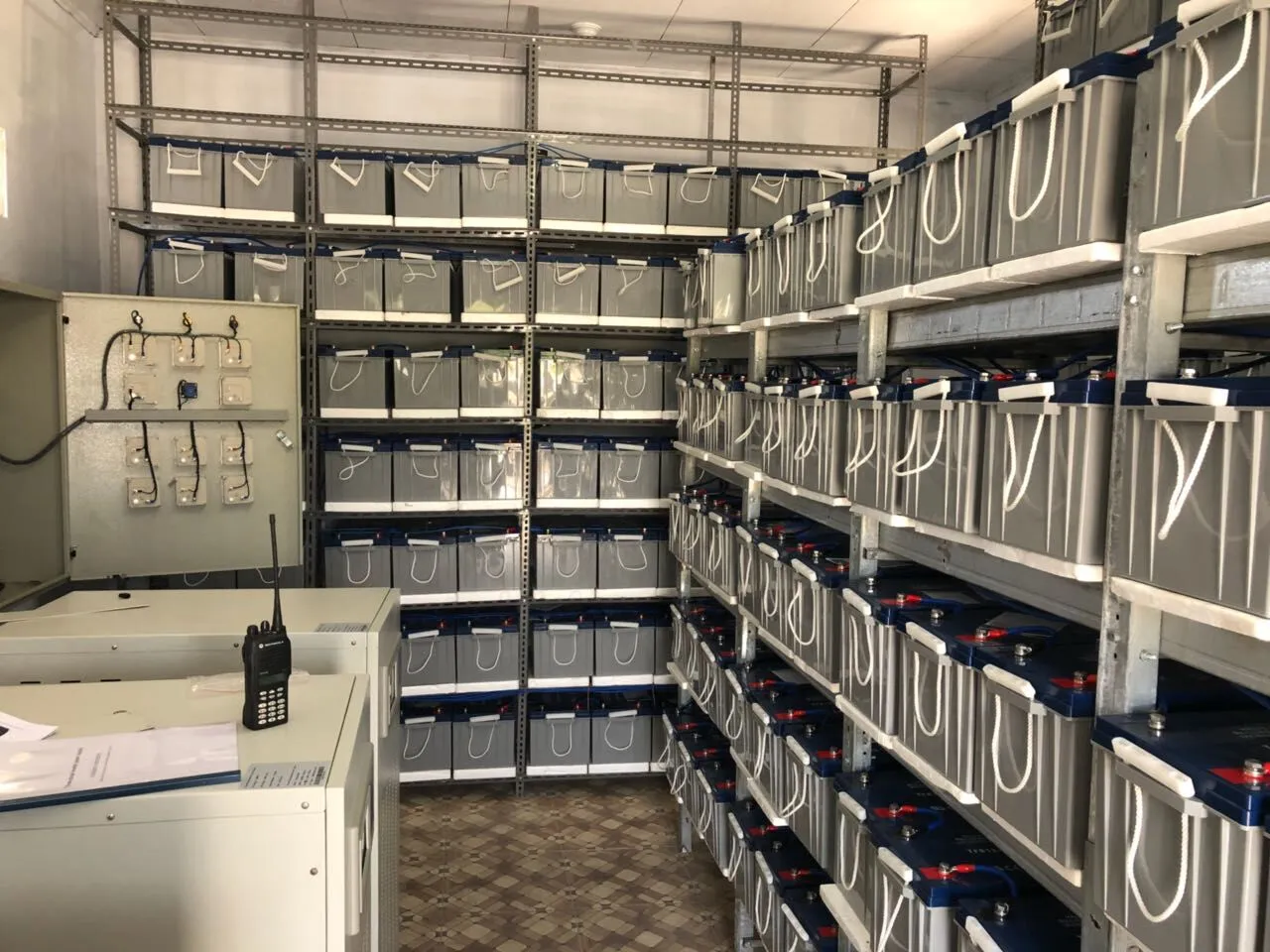
Let's talk brass tacks about financing, because that's where good ideas often stall. Innovative models are proving solar pays for itself:
Lagos households spending ₦130,000 monthly on diesel for a 2.5kVA generator can redirect those funds to solar financing. The numbers speak volumes:
| System Type | Upfront Cost (₦) | Monthly Payment (₦) | System Life Savings |
|---|---|---|---|
| Basic solar (daytime backup) | 1,287,000 | 44,700 | 65% vs diesel |
| Premium solar (24/7 backup) | 2,417,000 | 84,400 | 60% vs diesel |
After the 3-4 year financing period? Pure energy freedom – decades of near-zero electricity costs.
Here's where things get financially exciting. Nigeria can monetize its diesel-to-solar transition through Clean Development Mechanism (CDM) carbon credits. Current CO₂ emissions from residential diesel gensets alone represent an untapped value of ₦240 million annually in carbon credits – funding that could subsidize thousands of solar installations.
The roadblocks aren't technological – they're bureaucratic and financial. Smart policy interventions can accelerate this transition:
The potential payoff is staggering: converting all 10,000 Nigerian filling stations to solar could reduce national emissions by 3-10%. That moves the needle toward international sustainable development goals while adding resilience to national power infrastructure.
We must talk about the human impact beyond spreadsheets. Diesel isn't just expensive – it's deadly. The World Bank estimates fine particulate emissions from gensets cause:
For station workers breathing generator exhaust 16 hours daily, solar represents an immediate health upgrade. For neighborhoods near stations, it means cleaner air and reduced noise pollution – benefits that never show on profit statements but transform community wellbeing.
How do we turn this potential into reality? A staged approach tailored for Nigerian realities:
The Port Harcourt study proved something revolutionary: solar-powered stations aren't just environmentally responsible - they're profit maximizers. With operational savings kicking in by Year 2 and pure profit generation by Year 5, they outcompete diesel-dependent rivals.
Stand with me at a converted station in Port Harcourt. The hum of generators replaced by silent solar panels drinking sunlight. The faint scent of exhaust replaced by clean air. Cash registers chiming more frequently because fuel prices can be lowered thanks to eliminated energy costs. This is Nigeria's energy future – where filling stations become energy exporters rather than diesel beggars.
The blueprint exists. The technology is field-tested. The financing models work. What remains is the collective will to harness Africa's most abundant resource – its golden, powerful sunlight – to fuel not just vehicles, but an entire economic transformation. One solar panel at a time.
Recommend Products












