
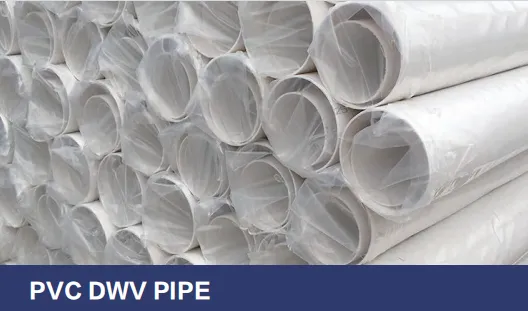
In an era where "sustainability" has shifted from a buzzword to a business imperative, the building industry is undergoing a quiet revolution. Homeowners, architects, and contractors alike are no longer just asking, "Will this material work?"—they're demanding, "Is this material good for our planet?" At the heart of this shift lies the role of the modern building material supplier, who isn't just a provider of products but a partner in crafting greener, more responsible spaces. Today, we're zooming in on a humble yet critical component of any construction project: PVC DWV pipes. Specifically, we're exploring how eco-labels for these pipes are changing the game, and why they matter more than ever for both the environment and your next build.
If you've ever walked through a home under construction, you've probably seen them—those white or gray pipes snaking through walls and ceilings, carrying away wastewater and ensuring proper ventilation. These are PVC DWV pipes, short for Drain, Waste, and Vent pipes. They're the unsung heroes of plumbing systems, quietly keeping residential and commercial buildings hygienic and functional. But like many building materials, traditional PVC DWV pipes have faced scrutiny for their environmental footprint. From manufacturing emissions to end-of-life disposal, their impact has left many in the industry searching for better options. Enter eco-labels: third-party certifications that signal a product meets strict sustainability standards. For builders and homeowners, these labels aren't just stickers—they're a promise that the PVC DWV pipe supplier they're working with takes the planet seriously. Let's dive in.
Before we get into eco-labels, let's make sure we're all on the same page about what PVC DWV pipes actually do. DWV stands for Drain, Waste, and Vent—three key functions these pipes handle in any building. The "drain" part carries wastewater from sinks, showers, and tubs away from the living space. The "waste" component deals with, well, solid waste from toilets. And the "vent" pipes? They release sewer gases outside the building, preventing unpleasant odors and ensuring proper pressure so water flows smoothly. In short, without DWV pipes, our homes and offices would be… messy, to put it mildly.
PVC, or polyvinyl chloride, is the material of choice for these pipes for good reason. It's durable, corrosion-resistant, lightweight, and affordable—qualities that make it a staple for both residential building materials suppliers and commercial building projects. But here's the catch: traditional PVC manufacturing relies on fossil fuels, and improper disposal can lead to long-term environmental harm. That's where eco-labels step in, acting as a bridge between the practicality of PVC DWV pipes and the growing demand for sustainability.
To understand why eco-labels matter, we need to talk about the environmental challenges of conventional PVC DWV pipes. Let's start at the beginning: production. PVC is made from vinyl chloride monomer (VCM), a chemical linked to health risks if not handled properly. Manufacturing VCM requires significant energy, often derived from non-renewable sources, leading to greenhouse gas emissions. Then there's the issue of additives—like plasticizers and stabilizers—that can leach into soil or water if pipes end up in landfills.
Waste is another concern. PVC is not biodegradable, and while it can be recycled, the infrastructure for recycling PVC pipes isn't as widespread as it is for materials like aluminum or glass. This means many end-of-life pipes end up in landfills, where they can persist for centuries. For a building material supplier committed to sustainability, these challenges aren't just problems—they're opportunities to innovate. And that's where eco-certified PVC DWV pipe solutions come into play.
So, what exactly is an eco-label? Think of it as a seal of approval from an independent organization that verifies a product meets specific environmental or social criteria. For PVC DWV pipes, eco-labels don't just say, "This pipe works"—they say, "This pipe works and was made with minimal harm to the planet." They're a way for busy contractors, architects, and homeowners to cut through the greenwashing and make informed choices without spending hours researching every product detail.
But why should you care? For starters, eco-labels build trust. When a PVC DWV pipe supplier displays a recognized eco-label, it's a signal that they've gone through rigorous testing and auditing—not just made vague claims about "being green." For builders working on LEED-certified projects or homeowners aiming for an energy-efficient home, using eco-labeled materials can even contribute to certification points. And let's not forget the big picture: every eco-labeled pipe we choose reduces our collective carbon footprint, one drain line at a time.
Not all eco-labels are created equal. Some are rigorous, backed by scientific research and third-party verification; others are little more than marketing gimmicks. To help you navigate, we've compiled a breakdown of the most trusted eco-labels for PVC DWV pipes, what they stand for, and why they're worth looking for when vetting a supplier.
| Eco-Label Name | Issuing Body | Key Criteria | Why It Matters |
|---|---|---|---|
| LEED (Leadership in Energy and Environmental Design) | U.S. Green Building Council (USGBC) | Focuses on overall building sustainability, including material selection, energy efficiency, and waste reduction. PVC DWV pipes with recycled content or low-VOC emissions can contribute to LEED points. | Widely recognized globally; using LEED-compliant materials is often a requirement for green building projects. |
| Green Seal GS-43 | Green Seal, Inc. | Specifies strict limits on hazardous substances (like heavy metals and phthalates) in plumbing products. Requires manufacturers to meet energy efficiency standards during production. | One of the most stringent labels for plumbing materials; ensures low toxicity and reduced environmental impact across the product lifecycle. |
| EN 13476 (European Standard) | European Committee for Standardization (CEN) | Sets performance and safety standards for plastic piping systems, including PVC DWV. Includes criteria for material recyclability and reduced emissions during manufacturing. | Dominant standard in Europe; ensures compliance with strict EU environmental regulations, making it a go-to for international projects. |
| EPD (Environmental Product Declaration) | Various (e.g., UL, ISO) | A transparent report of a product's environmental impact across its lifecycle (cradle-to-grave). Includes data on energy use, emissions, and waste. | Not a certification per se, but a comprehensive disclosure tool that helps compare products objectively. Many green building programs require EPDs. |
When evaluating a PVC DWV pipe supplier, don't be afraid to ask for proof of certification. Reputable suppliers will happily share audit reports, test results, or links to the certifying body's database. Remember: a label is only as good as the organization behind it, so stick to names you recognize.
Eco-labels aren't just about feel-good marketing—they drive real, measurable change in how PVC DWV pipes are made and used. Let's break down the environmental benefits you can expect from choosing certified products:
Many eco-labels require manufacturers to optimize energy use, switch to renewable energy sources, or offset emissions. For example, a supplier producing PVC DWV pipes under the Green Seal GS-43 standard might invest in solar panels for their factory or use recycled heat in production, cutting down on fossil fuel reliance.
Certifications like Green Seal and EN 13476 restrict the use of harmful additives, such as lead-based stabilizers or phthalates. This means eco-labeled pipes are safer for installers (who handle them daily) and for the environment (when pipes eventually reach the end of their life).
Some labels, like those tied to the EU's Circular Economy Action Plan, incentivize using recycled content in PVC DWV pipes. A forward-thinking supplier might incorporate post-consumer or post-industrial plastic waste into their pipe production, reducing the need for virgin materials and keeping plastic out of landfills.
Eco-labels often include durability criteria, ensuring pipes can withstand decades of use without cracking or corroding. A longer lifespan means fewer replacements, which translates to less material waste and lower overall environmental impact over time.
To bring this to life, let's look at a hypothetical (but realistic) example of a building material supplier that made the switch to eco-certified PVC DWV pipe solutions. Meet "GreenFlow Pipes," a mid-sized supplier serving the U.S. Southwest. Five years ago, GreenFlow noticed a trend: their commercial clients—hotels, hospitals, and office developers—were increasingly asking for "sustainable plumbing options." At first, they brushed it off as a passing fad. But when a major contractor chose a competitor because they offered Green Seal-certified DWV pipes, GreenFlow decided to take action.
The process wasn't easy. GreenFlow had to audit their entire supply chain, from raw material sourcing to manufacturing processes. They invested in energy-efficient machinery, switched to a lead-free stabilizer formula, and began incorporating 20% recycled PVC into their pipes. After 18 months of testing and documentation, they finally earned Green Seal GS-43 certification. The result? Within two years, their sales of eco-certified pipes tripled. Contractors praised the quality, and LEED projects started specifying GreenFlow by name. Today, they're not just a PVC DWV pipe supplier—they're a go-to for sustainable plumbing solutions.
This story isn't unique. Across the globe, suppliers are realizing that eco-labels aren't just good for the planet—they're good for business. By aligning with sustainability, they tap into a growing market of environmentally conscious buyers and differentiate themselves in a crowded industry.
If eco-labels are so great, why isn't every PVC DWV pipe supplier using them? The truth is, certification comes with challenges—especially for smaller suppliers. Let's break down the biggest barriers:
Audits, testing, and equipment upgrades aren't cheap. For a small supplier operating on thin margins, the initial investment in eco-certification can be daunting. While these costs often pay off long-term, they require a willingness to take a financial risk.
Eco-labels aren't one-size-fits-all. A supplier targeting the European market might need EN 13476, while a U.S.-focused supplier needs Green Seal or LEED alignment. Keeping up with evolving standards and regional requirements can be overwhelming, especially for suppliers with limited resources.
Even with a certification, some customers—particularly homeowners or smaller contractors—might not understand the value of eco-labels. They may opt for cheaper, uncertified pipes, assuming "PVC is PVC." This creates a disincentive for suppliers to invest in certification if the market doesn't reward it.
These challenges are real, but they're not insurmountable. As demand for sustainable building materials grows, governments and industry groups are stepping in with grants, tax incentives, and educational campaigns to support suppliers. For example, the U.S. EPA offers resources for small manufacturers looking to adopt green practices, and trade associations like the Plastics Pipe Institute provide guidance on eco-certification pathways.
At the end of the day, eco-labels for PVC DWV pipes are about more than checking a box. They're a reflection of a building material supplier's commitment to the planet, their customers, and future generations. For homeowners, they offer peace of mind that their home's plumbing isn't just functional, but responsible. For contractors, they're a tool to win green building projects and stand out in a competitive market. And for suppliers, they're a roadmap to innovation, resilience, and long-term success.
So, the next time you're planning a renovation, building a new home, or selecting materials for a commercial project, take a moment to ask your PVC DWV pipe supplier about their eco-labels. Look for certifications like Green Seal, EN 13476, or EPDs. Ask how they source their materials, reduce emissions, and handle waste. Your choices have power—and together, we can turn the tide toward a more sustainable building industry, one pipe at a time.
After all, the best buildings aren't just made to last—they're made to leave the planet better than they found it.
Recommend Products












