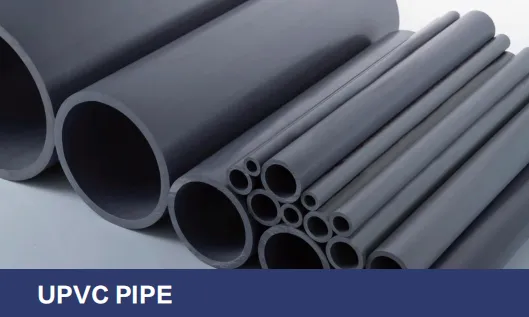
You might be wondering, "What makes UPVC 'eco-friendly' compared to, say, copper or concrete pipes?" Let's break it down:
1. Durability = Less Waste
UPVC pipes don't mess around when it comes to lifespan. We're talking 50+ years of reliable service—sometimes even longer if installed properly. Compare that to galvanized steel pipes, which might start corroding after 20 years, or PPR pipes that degrade under extreme heat. When a pipe lasts longer, you replace it less often. Less replacement means fewer raw materials extracted, less energy used in manufacturing, and less waste ending up in landfills. It's simple math: durability = sustainability.
2. Lightweight = Lower Carbon Footprint
Ever tried lifting a copper pipe? Heavy, right? UPVC, on the other hand, is lightweight—about 70% lighter than metal pipes. That might not sound like a big deal until you consider transport. A truck can carry 3x more UPVC pipes than steel ones, cutting down on fuel use and emissions. For a
saudi arabia building materials supplier
shipping products across the kingdom, that's a game-changer for reducing carbon footprints.
3. Chemical Stability = No Leaching, No Harm
Here's a key point: UPVC is free of lead, BPA, and phthalates (those controversial plasticizers we mentioned earlier). That means it won't leach harmful chemicals into drinking water, making it safe for homes, hospitals, and schools. And since it's non-porous, it resists bacterial growth—critical for settings like healthcare facilities where hygiene is non-negotiable.