
It's a crisp Monday morning in Riyadh, and Lama, a senior architect at a leading firm, is huddled with her team around a project board for a new sustainable housing complex. The whiteboard is covered in sticky notes: "low carbon footprint," "recyclable materials," "long-term durability." "The client won't budge on sustainability," she sighs, tapping a note that reads "drainage system." "We need pipes that check all the boxes—eco-friendly, cost-effective, and tough enough to handle Saudi Arabia's climate." That's when Ali, the project engineer, speaks up: "I know a building material supplier that specializes in pvc dwv pipe solutions. Their stuff is game-changing for green builds."
In an era where "going green" isn't just a trend but a necessity, the construction industry is under pressure to rethink every component—including the unsung heroes of building infrastructure: drainage, waste, and vent (DWV) pipes. Among the options, eco-friendly PVC DWV pipes have emerged as a front-runner, and the suppliers behind them are proving to be pivotal in driving sustainable construction forward. This isn't just about selling pipes; it's about offering solutions that align with the planet's needs and builders' goals. Let's dive into how these suppliers are reshaping the future of construction, one pipe at a time.
Walk into any construction conference today, and the air buzzes with talk of net-zero goals, LEED certifications, and circular economies. Governments in Saudi Arabia and beyond are tightening regulations—mandating that new buildings cut carbon emissions by 30% or more by 2030. For architects and contractors, this means scrutinizing every material, from the foundation stones to the ceiling panels. Drainage systems, often overlooked, are a critical piece of the puzzle. Traditional DWV pipes, made from materials like cast iron or concrete, come with hidden costs: high energy use in production, heavy transportation emissions, and frequent replacements that generate waste.
"Sustainability isn't optional anymore," says Omar, a sustainability consultant who works with developers across the Middle East. "Clients ask, 'What's the carbon footprint of this pipe?' before they even ask the price. They want to know if it can be recycled, how long it will last, and if the supplier shares their green values." This shift has turned building material suppliers into strategic partners, not just vendors. Those that offer eco-friendly solutions—like pvc dwv pipe supplier expertise—are becoming indispensable.
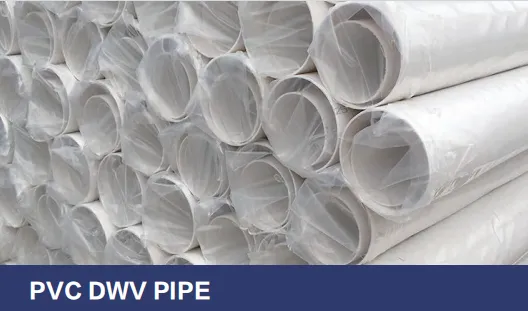
First, let's clarify: What exactly are PVC DWV pipes? DWV stands for Drainage, Waste, and Vent—these pipes carry wastewater and sewage away from buildings while allowing air to circulate, preventing clogs and odors. PVC (polyvinyl chloride) has long been a popular material for these systems, thanks to its lightweight nature, corrosion resistance, and affordability. But "eco-friendly" PVC DWV pipes take it a step further, addressing the environmental concerns that once shadowed traditional PVC.
Modern pvc dwv pipe solutions prioritize sustainability from production to disposal. Suppliers are reengineering the process: using recycled PVC resin (up to 30% in some cases), reducing energy use in manufacturing by 20% through solar-powered factories, and designing pipes that last 50+ years—double the lifespan of older models. "Durability is sustainability," explains Fatima, an engineer at a top pvc dwv pipe supplier in Jeddah. "If a pipe needs replacing every 20 years, that's more waste, more transportation, more carbon. Our pipes outlast most buildings, so they're part of the solution, not the problem."
It's easy to throw around the term "eco-friendly," but the best pvc dwv pipe suppliers back it up with hard facts. Here's why these pipes are becoming a staple in green construction:
| Feature | Traditional DWV Materials (Cast Iron/Concrete) | Eco-Friendly PVC DWV Pipes |
|---|---|---|
| Carbon Footprint (Production) | High (intensive energy use) | Low (40% less energy than cast iron) |
| Recyclability | Limited (often ends in landfills) | High (100% recyclable, with take-back programs) |
| Lifespan | 20–30 years | 50+ years |
| Transportation Emissions | High (heavyweight materials) | Low (70% lighter than cast iron) |
| Maintenance Waste | Frequent repairs, replacement waste | Minimal (corrosion-resistant, clog-free) |
What sets leading pvc dwv pipe suppliers apart isn't just the quality of their products—it's their commitment to being one-stop architectural solution providers. They don't just sell pipes; they partner with builders to solve problems, reduce waste, and make sustainability achievable.
Take, for example, a recent hospital project in Riyadh. The client needed DWV pipes that met strict Class A fireproof standards (critical for healthcare facilities) while staying eco-friendly. A local pvc dwv pipe supplier didn't just deliver pipes—they provided on-site training for installers, customized fittings to reduce joint leaks, and even a recycling plan for leftover materials. "They turned a 'problem' into a 'solution'," says the project manager. "We hit our LEED gold target because of their support."
Innovation is another hallmark. Top suppliers invest in R&D to push the boundaries of eco-friendliness. One company developed a "green resin blend" that uses bamboo charcoal additives (sourced from sustainable farms) to boost pipe strength while cutting reliance on virgin plastic. Another offers 3D-printed fittings, reducing material waste by 40% compared to traditional manufacturing.
"We don't wait for regulations to tell us what to do," says Hassan, CEO of a leading pvc dwv pipe supplier. "We're already testing pipes made from 50% recycled content and biodegradable adhesives. Our job is to make sustainability easy for builders—so they don't have to choose between the planet and their budget."
In 2024, a school district in Jeddah set out to renovate 10 aging schools, with a focus on sustainability and safety. The biggest challenge? Upgrading the outdated DWV systems, which were prone to leaks and made of non-recyclable materials. Enter a local pvc dwv pipe supplier with a reputation for eco-friendly solutions.
The supplier conducted a full audit of each school's drainage needs, then proposed a customized plan: lightweight PVC DWV pipes with Class A fireproof ratings (critical for schools), fittings made from 35% recycled plastic, and a take-back program for the old pipes (which were later recycled into new school furniture). The result? Installation time was cut by 30% (thanks to the pipes' lightweight design), and the district estimates saving 200 tons of waste over the next decade. "The kids even did a project on recycling the old pipes," the school principal. "It wasn't just a renovation—it was a lesson in sustainability."
Today, the schools boast LEED Silver certification, and the supplier has been tapped for 15 more district projects. "This is what we mean by 'solutions,'" says the supplier's project lead. "We didn't just deliver pipes—we helped build a greener future for those kids."
Of course, the journey to fully eco-friendly DWV systems isn't without hurdles. Misconceptions persist: Some builders still associate PVC with "toxic plastics," unaware of modern innovations. Suppliers are fighting back with transparency—publishing third-party lab reports on emissions, hosting factory tours, and partnering with sustainability NGOs to certify their practices.
Cost is another barrier. While eco-friendly PVC DWV pipes save money long-term (lower maintenance, energy savings), the upfront price can be 10–15% higher than traditional options. To bridge this gap, some suppliers offer financing plans or bulk discounts for green projects. "We're also working with governments to subsidize sustainable materials," Hassan adds. "If we can make green pipes as affordable as conventional ones, adoption will skyrocket."
Looking ahead, the future is bright. As 3D printing and AI-driven design become mainstream, suppliers are exploring "smart pipes"—fitted with sensors that detect leaks in real time, reducing water waste even further. Imagine a hospital where the DWV system alerts maintenance before a pipe bursts, saving thousands of gallons of water and avoiding costly damage. "That's not science fiction," says Fatima. "We're testing prototypes now. The next generation of pvc dwv pipe solutions will be as smart as they are green."
At the end of the day, eco-friendly PVC DWV pipes are only as good as the suppliers behind them. A reputable pvc dwv pipe supplier doesn't just sell a product—they bring expertise, innovation, and a shared commitment to sustainability. They're the ones who will walk a construction site with you, answer 100 questions about recyclability, and stand by their pipes for 50 years.
For Lama, the architect in Riyadh, that partnership made all the difference. Her housing complex now features eco-friendly PVC DWV pipes, and the client is thrilled with the LEED Gold certification. "Ali was right," she says, smiling as she looks at the completed project. "It wasn't just a pipe supplier—it was a partner in building something that lasts."
Eco-friendly PVC DWV pipes may not be the most glamorous part of construction, but they're a cornerstone of sustainable building. As the demand for green infrastructure grows, the suppliers driving innovation in this space are proving that every material—no matter how small—can make a big impact. They're not just building material suppliers; they're stewards of the planet, one pipe, one solution, one project at a time.
So the next time you walk into a building—whether it's a hospital, a school, or your dream home—take a moment to appreciate the DWV system working quietly behind the walls. Chances are, it was supplied by someone who cares as much about the planet as they do about pipes. And in the fight for a greener future, that's a partnership we can all get behind.
Recommend Products












