

How sustainable materials are reshaping the future of construction—one panel at a time
Walk into any modern architectural firm, and you'll likely hear the same buzzwords: "sustainability," "carbon footprint," "healthy spaces." These aren't just industry jargon—they're a reflection of a shift in how we think about buildings. Today, a structure isn't just walls and a roof; it's a living, breathing part of our ecosystem, impacting the planet and the people inside it for decades. From homeowners designing their dream homes to developers planning commercial complexes, the demand for materials that align with green building goals has never been higher.
But here's the catch: sustainability can't come at the cost of functionality or beauty. Architects and builders often find themselves caught in a tug-of-war—wanting to reduce environmental impact but hesitant to compromise on durability, aesthetics, or safety. This is where innovative materials step in, bridging the gap between eco-consciousness and practicality. And among these materials, one stands out for its versatility, sustainability, and sheer adaptability: PU stone wall panels.
As a leading PU stone wall panel supplier, we've seen firsthand how these panels are transforming the construction landscape. They're not just a product; they're a solution for anyone who wants to build better—for the planet, for the people who use the space, and for the bottom line. Let's dive into why PU stone wall panels are becoming the go-to choice for green building projects, and how partnering with the right supplier can turn your sustainable vision into reality.
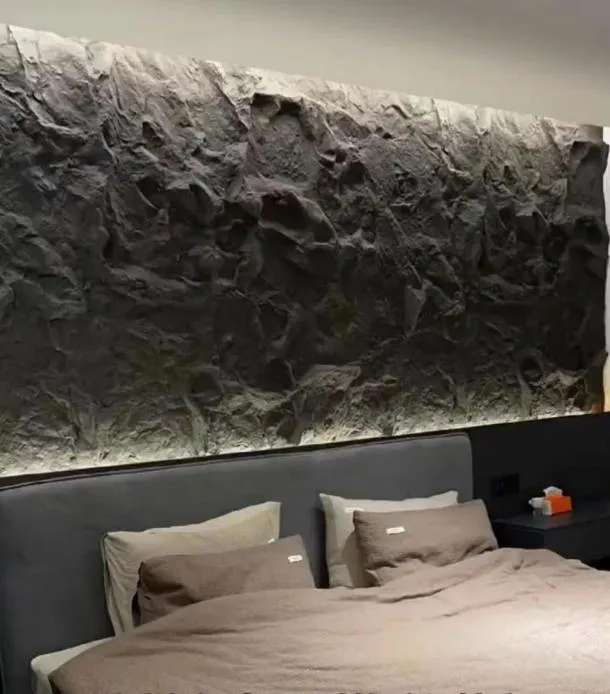
Before we get into their eco-friendly credentials, let's demystify the star of the show: PU stone wall panels. PU, short for polyurethane, is a synthetic material known for its strength, flexibility, and lightweight properties. When combined with mineral fillers and natural stone aggregates, it creates panels that mimic the look and texture of real stone—think rough-hewn granite, smooth marble, or rustic limestone—without the heavyweight baggage (literally and environmentally) of traditional stone.
Unlike natural stone, which requires extensive mining, cutting, and transportation (all of which leave a large carbon footprint), PU stone wall panels are engineered to be sustainable from the start. They're made with recycled materials where possible, require less energy to produce, and are designed to last for decades, reducing the need for frequent replacements. And because they're lightweight, they're easier to transport and install, cutting down on fuel use and labor costs. It's a win-win for both the planet and your project budget.
But don't just take our word for it. Let's compare PU stone wall panels to some traditional building materials to see how they stack up in terms of sustainability and performance. After all, numbers tell a story too.
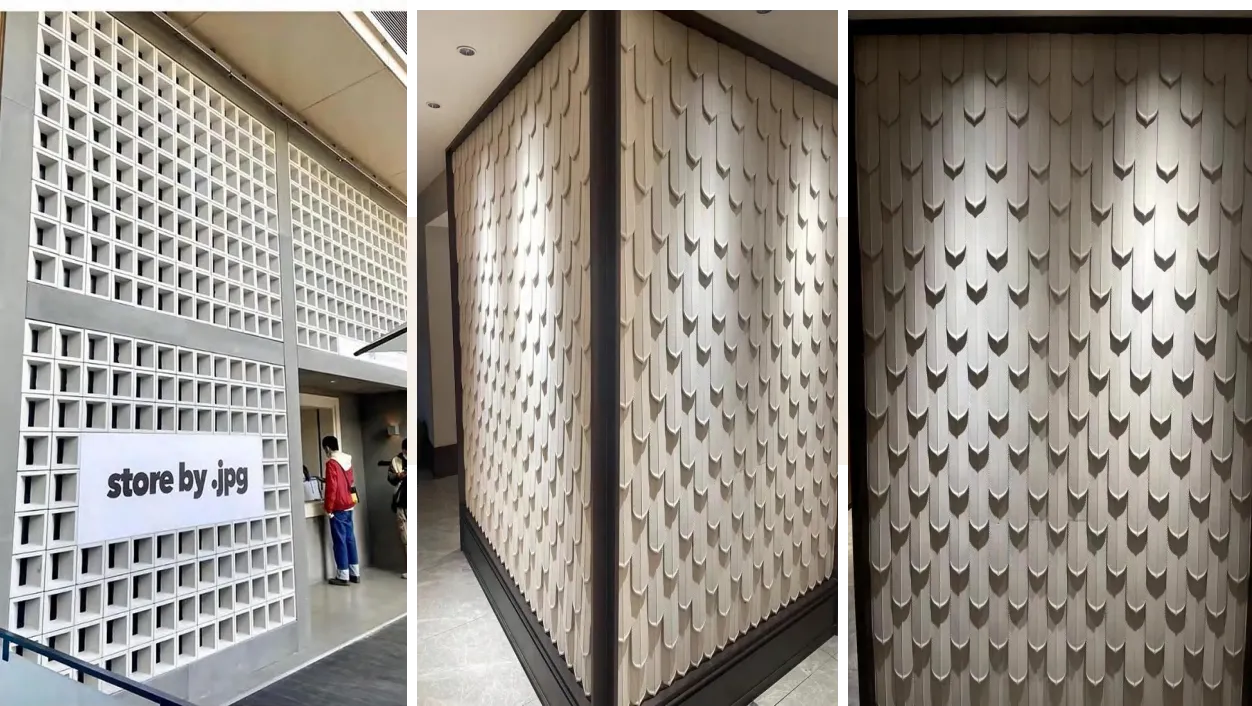
Choosing the right wall panel material is about more than aesthetics—it's about making a choice that aligns with your values. To help you see the difference, we've put together a comparison of PU stone wall panels with two common alternatives: natural stone and vinyl siding. Let's break it down.
| Factor | Natural Stone | Vinyl Siding | PU Stone Wall Panels |
|---|---|---|---|
| Environmental Impact | High: Requires mining, heavy machinery, and long transportation routes. | Moderate: Made from non-renewable petroleum; not easily recyclable. | Low: Uses recycled materials; low energy production; recyclable at end-of-life. |
| Weight (per sq. ft) | 15-25 lbs: Requires structural support; increases transportation fuel use. | 1-2 lbs: Lightweight but prone to warping in extreme weather. | 3-5 lbs: Lightweight, no extra structural support needed; easy to transport. |
| Durability | High: Resistant to wear but prone to cracking if not installed properly. | Low: Fades, cracks, or melts in high heat; needs replacement every 10-15 years. | High: Resistant to moisture, UV rays, and impact; lasts 30+ years with minimal maintenance. |
| Installation Energy Use | High: Requires heavy equipment and multiple workers. | Low: Easy to install but may require frequent repairs. | Low: Lightweight, can be installed with basic tools; reduces labor time by up to 50%. |
| Fire Resistance | Varies: Some stones are fire-resistant, but not all. | Low: Highly flammable; releases toxic fumes when burned. | High: Many PU panels are Class A fire-rated, making them safe for commercial and residential use. |
As you can see, PU stone wall panels outperform traditional options in almost every category, especially when it comes to sustainability. But their benefits don't stop at being eco-friendly. They're also designed to make life easier for everyone involved in the project—from architects to installers to the end users.
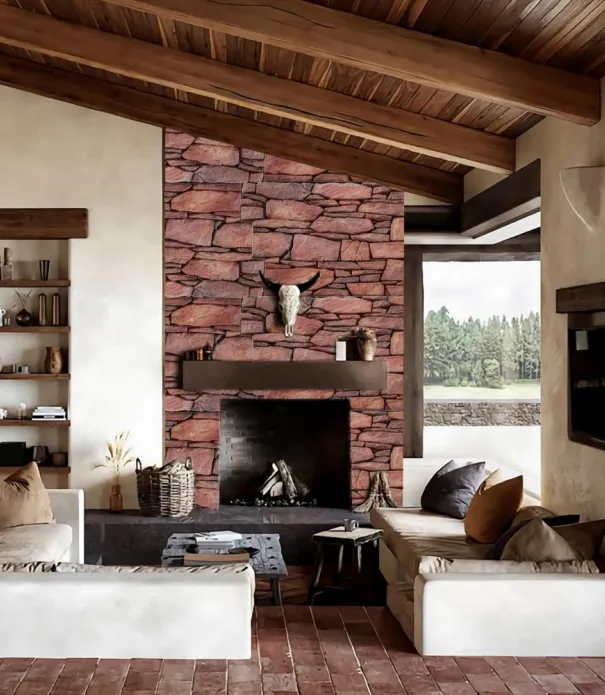
Sustainability is the foundation, but what truly makes PU stone wall panels a game-changer is their ability to deliver on multiple fronts. Let's talk about the perks that go beyond the "green" label—perks that make these panels a favorite among architects, builders, and homeowners alike.
One of the biggest myths about sustainable materials is that they sacrifice beauty for eco-friendliness. PU stone wall panels shatter that myth. With advanced molding techniques, these panels can replicate the look of almost any natural stone—from the smooth veining of marble to the rugged texture of fieldstone. Want a modern, sleek finish for a commercial lobby? Done. Dreaming of a cozy, cabin-like vibe for a residential exterior? Consider it handled. And because they're customizable, you can mix and match colors, textures, and patterns to create a look that's uniquely yours—no two projects have to be the same.
We've all seen buildings with cracked stone facades or faded siding after a few harsh winters. PU stone wall panels are built to withstand the elements. They're resistant to moisture, so they won't rot or mold in humid climates. They're UV-stable, meaning they won't fade under the sun. And they're impact-resistant, so a stray baseball or hailstorm won't leave unsightly dents. In short, they look good today and will still look good 20 years from now—reducing the need for replacements and the waste that comes with them.
When it comes to building materials, safety is non-negotiable. Many PU stone wall panels are Class A fire-rated, meaning they're highly resistant to flames and won't contribute to the spread of fire. This is a huge plus for commercial buildings like schools, hospitals, and offices, where fire safety is a top priority. And because they're free from harmful chemicals like formaldehyde, they improve indoor air quality—a must for spaces where people live, work, or learn.
Traditional stone panels can weigh up to 25 pounds per square foot, requiring reinforced structures and heavy machinery to install. PU stone panels, on the other hand, weigh just 3-5 pounds per square foot. This means they can be installed on almost any surface without extra structural support, cutting down on construction time and labor costs. Plus, their lightweight nature makes transportation easier—fewer trucks on the road, less fuel used, and lower carbon emissions. It's a small detail that adds up to big savings, both financially and environmentally.
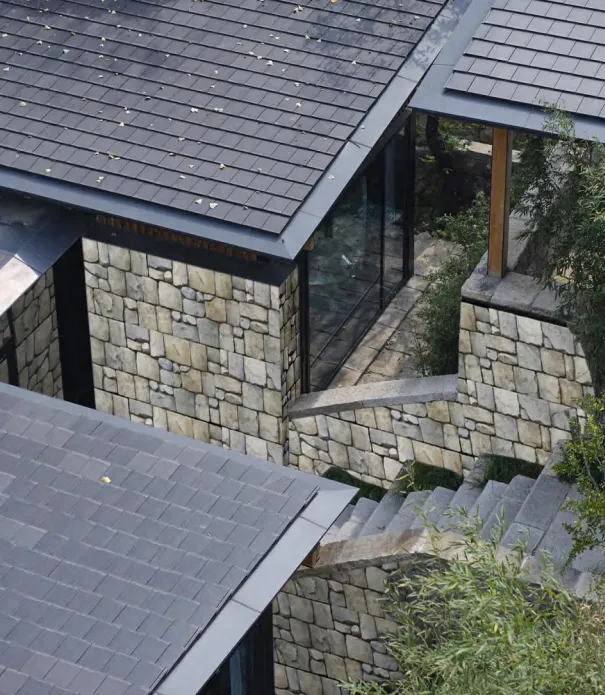
So, you're sold on PU stone wall panels—now what? The next step is finding the right supplier. But not all suppliers are created equal. Here's why partnering with a dedicated PU stone wall panel supplier (and one that offers more than just panels) can make or break your project.
Building a sustainable project involves more than just ordering materials. You need design support, technical advice, and reliable service from start to finish. As a one-stop architectural solution provider, we don't just sell PU stone wall panels—we offer end-to-end support. Need help choosing the right texture for your project? Our design team is here. Stuck on installation logistics? Our technical experts can walk you through it. Have a question after the project is done? Our customer service team is just a call away. We're not just a vendor; we're a partner invested in your success.
Not all PU stone wall panels are made the same. Some cut corners with cheap materials, leading to panels that crack, fade, or underperform. A reputable supplier will use high-quality raw materials and rigorous testing to ensure their panels meet industry standards for durability, fire resistance, and sustainability. Look for suppliers who provide certifications—like ISO 14001 for environmental management or LEED compliance—to back up their claims. Quality matters, and it's worth investing in a supplier who prioritizes it.
No two projects are identical, and your materials shouldn't be either. Whether you're working on a small residential renovation or a large-scale commercial development, a good PU stone wall panel supplier will offer customized solutions. Need panels in a specific color to match your brand? They can do that. Require a unique texture for a historical restoration? They'll work with you to create it. Customization means your project gets exactly what it needs—no more, no less—reducing waste and ensuring a perfect fit.
Talk is cheap—results matter. Let's take a look at two projects where PU stone wall panels made a tangible difference in sustainability, aesthetics, and performance. These aren't just success stories; they're proof that green building can be both beautiful and practical.
Located in a bustling suburb, the Greenview Complex was designed to be a model of sustainable living. The developers wanted a exterior that looked like traditional stone but with a lower environmental impact. They turned to our PU stone wall panel solutions, choosing a rustic limestone texture for the building's facade.
The results? The panels reduced transportation costs by 40% compared to natural stone, thanks to their lightweight design. Installation time was cut in half, saving on labor. And because the panels are moisture-resistant, the complex has seen zero issues with mold or rot, even in the area's humid summers. Today, Greenview is a sought-after address, with residents praising both its eco-friendly credentials and its timeless, stone-like appearance.
When Riverbank Elementary decided to renovate its aging exterior, safety and sustainability were top priorities. The school needed materials that were fire-resistant, easy to maintain, and free from harmful chemicals. Our Class A fire-rated PU stone wall panels were the perfect fit.
The panels were installed over the existing structure, reducing demolition waste (a major source of construction-related pollution). The lightweight design meant no additional structural support was needed, saving time and money. And the stone-like texture gave the school a warm, welcoming look that students and parents love. Today, Riverbank Elementary is not only safer but also uses 15% less energy for heating and cooling, thanks to the panels' insulating properties. It's a small change that's making a big difference for the school and the planet.
At the end of the day, being a PU stone wall panel supplier is about more than selling products. It's about being part of a movement—one that prioritizes the planet and the people who live on it. Here's how we're walking the walk when it comes to sustainability:
We work with suppliers who share our commitment to sustainability, using recycled materials in our panels whenever possible. We also prioritize local sourcing for raw materials to reduce transportation emissions, supporting local economies in the process.
Our manufacturing process is designed to minimize waste. We recycle excess materials, optimize cutting patterns to reduce scraps, and use energy-efficient machinery. Even our packaging is eco-friendly—made from recycled cardboard and biodegradable materials.
The future of green building is in innovation, and we're constantly investing in research and development to make our PU stone wall panels even more sustainable. From exploring new recycled materials to improving energy efficiency in production, we're always looking for ways to do better.
Sustainability is a team sport. We host workshops and webinars for architects, builders, and homeowners to share knowledge about eco-friendly materials and green building practices. The more people know, the more they can make informed choices—and that's how we create lasting change.
The green building movement isn't slowing down—it's accelerating. As governments around the world implement stricter environmental regulations and consumers demand more sustainable options, the need for materials like PU stone wall panels will only grow. And we're here for it.
Imagine a world where every building—from your neighborhood café to the office downtown—is built with materials that respect the planet. A world where sustainability doesn't mean sacrificing beauty or functionality. That world is within reach, and it starts with choices—choices like using PU stone wall panels for your next project.
Whether you're an architect designing the next iconic skyscraper, a builder working on a residential development, or a homeowner making upgrades, you have the power to shape the future of construction. And as your trusted PU stone wall panel supplier, we're here to help you every step of the way.
So, what's next? It's simple: Start a conversation. Tell us about your project, your sustainability goals, and your vision. We'll help you find the perfect PU stone wall panel solutions to bring that vision to life—green, beautiful, and built to last.
Together, we can build a future where buildings don't just take from the planet—they give back.
Recommend Products











