

In recent years, there's been a quiet revolution happening in the world of construction and design. Homeowners, architects, and business owners alike are no longer just focused on how a space looks—they're asking deeper questions: How was this material made? What impact did it have on the planet? Will it stand the test of time without harming the environment? This shift isn't just a trend; it's a necessary response to the growing urgency of climate change and resource conservation. As a result, sustainable building materials have moved from niche options to mainstream must-haves, and among them, one solution is gaining significant attention: eco-friendly PU stone wall panels.
Whether you're renovating a cozy home, designing a sleek office space, or constructing a commercial building, the materials you choose play a pivotal role in both the aesthetics and the environmental footprint of the project. Traditional building materials, while familiar, often come with hidden costs—from high carbon emissions during production to excessive waste during installation and maintenance. This is where innovative solutions like PU stone wall panels step in, offering a blend of beauty, durability, and eco-consciousness that's hard to match. As a leading building material supplier, we've seen firsthand how these panels are transforming the way we think about interior and exterior decoration materials, proving that sustainability and style don't have to be mutually exclusive.
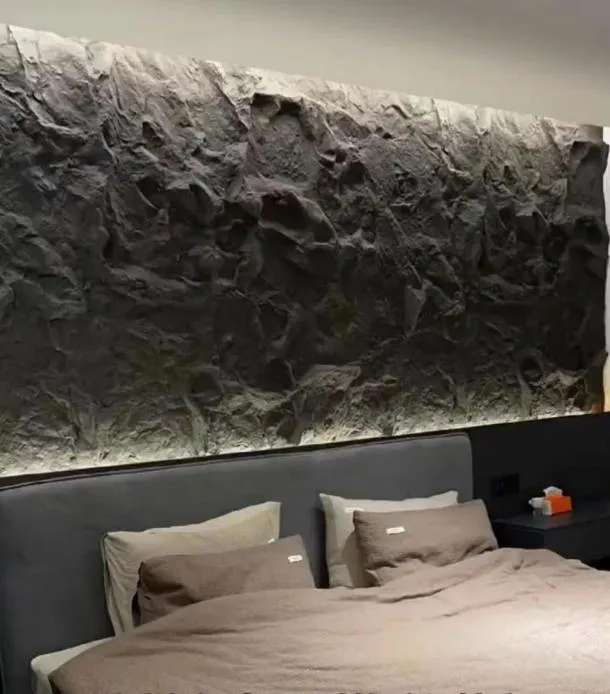
Let's start with the basics: PU stands for polyurethane, a versatile polymer known for its strength, flexibility, and insulating properties. PU stone wall panels are engineered to mimic the look and texture of natural stone—think rugged granite, smooth marble, or rustic limestone—but with a lightweight, eco-friendly twist. Unlike natural stone, which is quarried from the earth (a process that can disrupt ecosystems and generate significant waste), PU stone panels are crafted using a combination of polyurethane resins, mineral fillers, and recycled materials, depending on the manufacturer. This synthetic composition allows for precise customization in terms of color, texture, and size, making them a favorite among designers who want the beauty of stone without the limitations.
The manufacturing process itself is a key part of what makes these panels eco-friendly. Many reputable pu stone wall panel suppliers use low-energy production methods and prioritize the use of recycled or renewable materials in their formulas. For example, some panels incorporate post-consumer plastic waste or agricultural byproducts, giving new life to materials that might otherwise end up in landfills. Additionally, the production of PU stone panels generates far fewer carbon emissions compared to quarrying and processing natural stone, which often involves heavy machinery, long transportation routes, and energy-intensive cutting and finishing.
But don't let the "synthetic" label fool you—these panels are designed to be incredibly durable. They're resistant to moisture, UV rays, and temperature fluctuations, meaning they won't crack, fade, or warp over time. This durability is a crucial sustainability feature: a material that lasts longer reduces the need for frequent replacements, which in turn cuts down on waste and the environmental impact of manufacturing new products. Whether used indoors or outdoors, PU stone wall panels are built to stand the test of time, making them a smart investment for both residential and commercial projects.
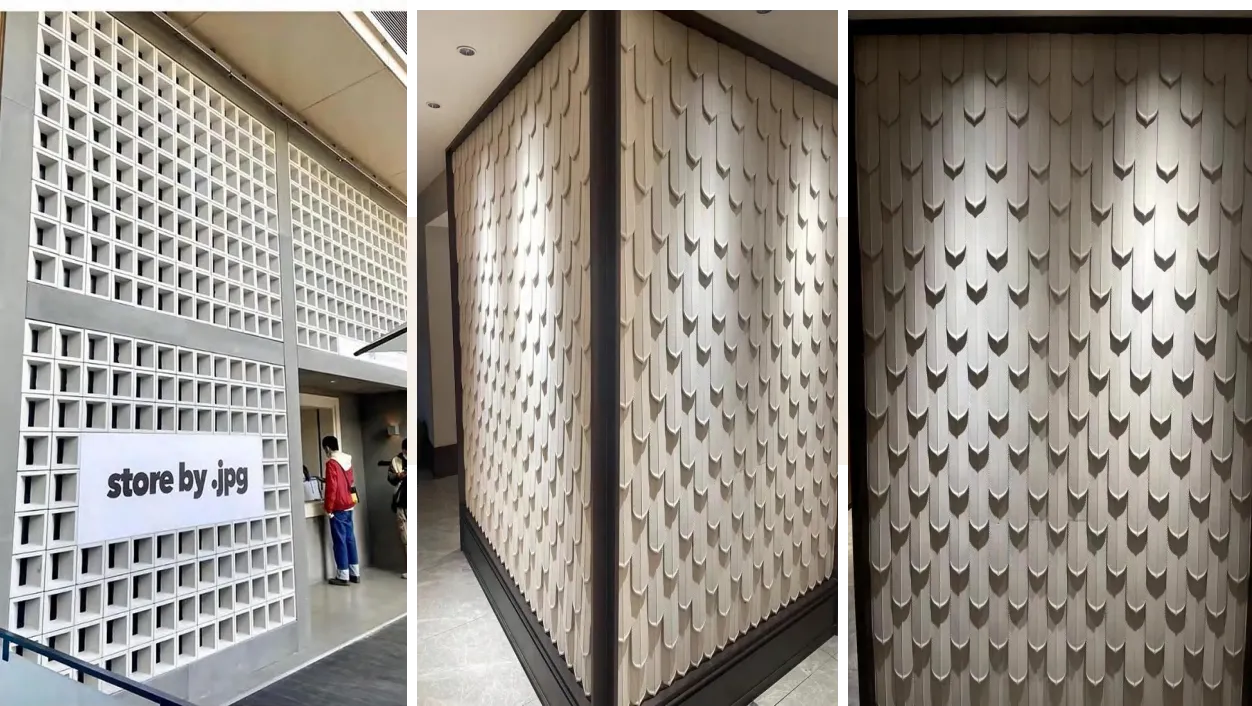
When it comes to sustainability, PU stone wall panels check more boxes than most traditional building materials. Let's break down their key eco-friendly advantages:
1. Reduced Environmental Impact During Production: As mentioned earlier, quarrying natural stone is a resource-intensive process. It requires removing large amounts of rock from the earth, which can lead to deforestation, soil erosion, and habitat destruction. PU stone panels, by contrast, are produced in controlled factory settings using minimal raw materials. Many suppliers also prioritize energy-efficient manufacturing, using solar power or other renewable energy sources to run their facilities. The result? A significantly lower carbon footprint from production to delivery.
2. Low VOC Emissions: Volatile Organic Compounds (VOCs) are chemicals found in many building materials that can off-gas into the air, contributing to indoor air pollution and respiratory issues. PU stone wall panels are formulated to be low-VOC or VOC-free, meaning they don't release harmful chemicals into your home or workplace. This is especially important for interior decoration materials, where indoor air quality directly impacts the health of occupants. For families, schools, or healthcare facilities, this feature alone makes PU stone panels a safer, more responsible choice.
3. Lightweight Design = Lower Transportation Emissions: Natural stone is heavy—so heavy that transporting it from quarries to job sites requires large trucks, which guzzle fuel and emit greenhouse gases. PU stone panels, on the other hand, are up to 70% lighter than natural stone. This reduced weight makes them easier and cheaper to transport, cutting down on transportation-related emissions. It also simplifies installation: lighter panels require less labor and equipment, reducing the overall energy used during the construction process.
4. Recyclability and Waste Reduction: At the end of their long lifespan, PU stone panels can often be recycled or repurposed, depending on local facilities. Unlike natural stone, which is difficult to break down and often ends up in landfills when replaced, PU panels can be ground down and used as filler in new products or converted into energy through waste-to-energy processes. Additionally, their precise manufacturing means less material waste during installation—no more cutting large slabs of stone and discarding the scraps. Every panel is made to fit, minimizing on-site waste.
5. Energy Efficiency in Buildings: PU is a natural insulator, and PU stone wall panels can help improve a building's thermal performance. When used as exterior cladding, they add an extra layer of insulation, reducing heat loss in winter and heat gain in summer. This means lower energy bills for heating and cooling, which in turn reduces the building's overall carbon footprint. For commercial buildings, this can translate to significant cost savings over time, while for homeowners, it means a more comfortable living space with less environmental impact.
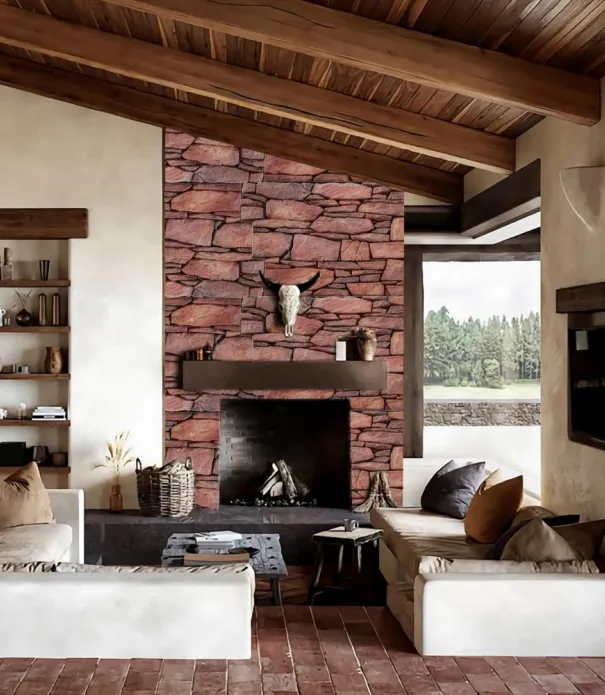
One of the reasons PU stone wall panels have become so popular is their incredible versatility. They're not limited to one type of space or design style—whether you're going for a modern, industrial look or a cozy, rustic vibe, there's a PU stone panel to match. Let's explore some of their most common applications in both interior and exterior decoration materials:
Residential Spaces: Imagine walking into a home where the living room feature wall is clad in warm, earthy-toned PU stone panels that look like weathered sandstone. Or a bedroom with a sleek, charcoal-gray PU marble accent wall that adds depth without overwhelming the space. Homeowners love these panels because they offer the luxury of natural stone at a fraction of the weight and cost. They're perfect for fireplaces (many are fire-resistant, though it's important to check with your supplier), accent walls, entryways, or even outdoor patios and garden walls. In bathrooms, their moisture resistance makes them a great alternative to tile, as they won't harbor mold or mildew.
Commercial Buildings: Businesses are also embracing PU stone wall panels for their durability, aesthetics, and sustainability credentials. Restaurants use them to create inviting, rustic interiors that feel upscale but are easy to clean. Office lobbies opt for polished PU marble panels to make a sophisticated first impression. Retail stores use textured PU stone to highlight product displays or create focal points that draw customers in. Even healthcare facilities and schools are starting to use them, thanks to their low-VOC, easy-to-sanitize surfaces. For commercial exteriors, PU stone panels can mimic the look of traditional masonry, giving buildings a timeless, professional appearance without the weight that can strain structural supports.
Architectural Facades: When it comes to exterior decoration materials, PU stone wall panels are a game-changer. Traditional stone facades are heavy, requiring reinforced structures and specialized installation teams. PU panels, being lightweight, can be installed on a wider range of buildings, including those with lighter frames. They're also available in large-format sizes, which reduces the number of seams and creates a seamless, modern look. Whether used for a entire building facade or as accent cladding, PU stone panels add curb appeal while protecting the structure from the elements. And because they're UV-resistant, their color won't fade even after years of exposure to sunlight—no need for frequent repainting or refinishing.
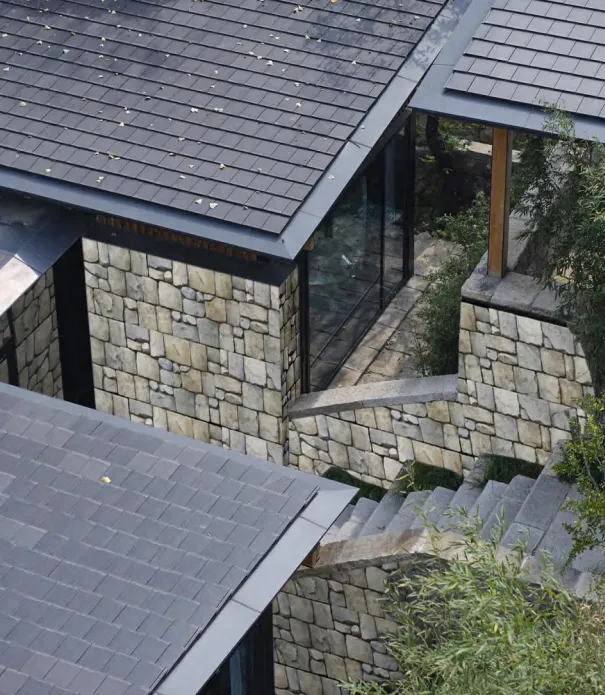
Not all PU stone wall panels are created equal, and the supplier you choose can make a big difference in terms of quality, sustainability, and overall satisfaction with your project. Here's what to look for when selecting a pu stone wall panel supplier:
1. Commitment to Sustainability: A reputable supplier should be transparent about their manufacturing processes and materials. Look for companies that use recycled content, low-energy production methods, and eco-friendly packaging. Some suppliers even hold certifications like LEED (Leadership in Energy and Environmental Design) or ISO 14001 (Environmental Management System), which indicate a commitment to sustainable practices. Don't hesitate to ask for details—any supplier proud of their eco-friendly credentials will be happy to share.
2. Quality and Durability: Sustainability means nothing if the product doesn't last. Ask about the panel's resistance to moisture, UV rays, and impact. A good supplier will provide test results or warranties that back up their claims. For example, some panels come with a 10- or 15-year warranty against fading or cracking, giving you peace of mind that your investment will stand the test of time.
3. Customization Options: Every project is unique, and your supplier should be able to accommodate your specific needs. Whether you need a custom color, texture, or size, look for suppliers that offer design flexibility. Some even provide samples so you can see and feel the product before making a large order—a small detail that can save you from costly mistakes down the line.
4. Technical Support and Installation Guidance: Installing wall panels can be tricky, especially if you're not experienced. A reliable supplier will offer technical support, including installation guides, videos, or even on-site assistance if needed. They should also be able to recommend experienced installers in your area, ensuring that the panels are put up correctly and perform as expected.
5. Reputation and Reviews: Do your research. Check online reviews, ask for references, or look at past projects the supplier has completed. A supplier with a track record of happy customers is more likely to deliver a quality product and positive experience.
Still on the fence about whether PU stone wall panels are right for your project? Let's compare them to some common traditional building materials to see how they stack up:
| Material | Environmental Impact | Installation Ease | Weight (per sq. ft.) | Durability | Cost (Initial vs. Long-Term) |
|---|---|---|---|---|---|
| PU Stone Wall Panels | Low carbon footprint; uses recycled materials; low VOC emissions | Easy—lightweight, can be cut with standard tools; no specialized labor needed | 1–3 lbs | High—resistant to moisture, UV rays, and impact; minimal maintenance | Mid-range initial cost; low long-term cost (no replacement or frequent maintenance) |
| Natural Stone (Granite/Marble) | High—quarrying disrupts ecosystems; high transportation emissions; heavy waste | Difficult—requires specialized tools and labor; heavy, needs structural support | 15–20 lbs | High, but prone to chipping; requires sealing every 1–2 years | High initial cost; high long-term cost (sealing, potential repairs) |
| Brick | Moderate—high energy use in firing; heavy transportation | Moderate—requires mortar and skilled masons; time-consuming | 10–12 lbs | High, but porous (can absorb moisture and crack in freezing temps) | Mid-range initial cost; moderate long-term cost (repairs for cracks, repointing) |
| Wood Panels | Variable—depends on sourcing; deforestation risk if not FSC-certified; prone to rot (short lifespan) | Moderate—lightweight but may warp if not treated; needs regular painting/staining | 2–4 lbs | Low—susceptible to rot, pests, and moisture damage | Low initial cost; high long-term cost (frequent replacement, maintenance) |
As the table shows, PU stone wall panels offer a balanced mix of low environmental impact, ease of installation, durability, and cost-effectiveness. While natural stone may have a more "authentic" look, the trade-offs in terms of sustainability and practicality make PU stone a compelling alternative for most modern projects.
The building industry is at a crossroads, with sustainability no longer being an optional extra but a core requirement. As regulations around carbon emissions and green building become stricter, materials like PU stone wall panels will only grow in importance. Innovations in manufacturing are already making these panels even more eco-friendly—some suppliers are experimenting with bio-based polyurethanes derived from plant oils, further reducing their reliance on fossil fuels. Others are developing panels with integrated insulation or smart technology, such as embedded sensors that monitor temperature or moisture levels in the building.
Architects and designers are also finding new ways to use PU stone panels, pushing the boundaries of what's possible. We're seeing them used in curved walls, 3D installations, and even as part of modular building systems, which reduce construction time and waste. As the demand for sustainable, customizable, and affordable building materials increases, pu stone wall panel solutions will continue to evolve, offering even more options for creative and eco-conscious projects.
But perhaps the most exciting part is the role these panels play in making sustainable building accessible to everyone. You don't have to be a large corporation with a massive budget to choose eco-friendly materials—PU stone panels offer a way for homeowners, small businesses, and independent contractors to reduce their environmental impact without sacrificing style or quality. In a world where every choice matters, this kind of accessibility is key to driving meaningful change in the industry.
Eco-friendly PU stone wall panels are more than just a building material—they're a statement. They say that you care about the planet, about creating spaces that are both beautiful and responsible, and about investing in the future. Whether you're a homeowner looking to upgrade your living room, a business owner designing a new office, or an architect planning the next big commercial project, these panels offer a winning combination of sustainability, durability, and style.
When you choose PU stone wall panels, you're not just choosing a product—you're choosing to support a more sustainable building industry. By partnering with a reputable pu stone wall panel supplier that prioritizes eco-friendly practices, you can ensure that your project has a positive impact from start to finish. And as more people embrace these innovative solutions, we move one step closer to a world where every building is a testament to both human creativity and environmental stewardship.
So, the next time you're planning a construction or renovation project, ask yourself: What kind of legacy do I want to leave? With PU stone wall panels, the answer can be one of beauty, durability, and respect for the planet. It's a small choice that can make a big difference—and that's something we can all feel good about.
Recommend Products











