
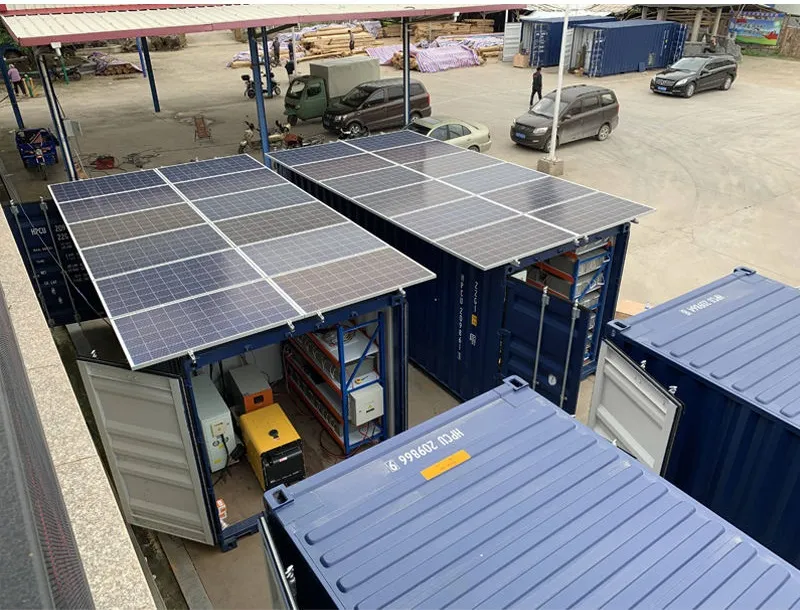
Let's start with a simple truth: The buildings we live and work in leave a bigger mark on the planet than we might think. From construction to daily energy use, the built environment contributes around 39% of global carbon emissions, according to the UN Environment Programme. But here's the good news—we don't have to accept that as a given. Enter eco-friendly metal roof solar panels: a smart, sustainable choice that turns your roof from a passive cover into an active tool for reducing your carbon footprint. And when it comes to making that choice seamless, partnering with a one-stop architectural solution provider can make all the difference.
In this article, we'll dive into why metal roof solar panels are becoming a game-changer for both homes and businesses, how they slash carbon emissions, and why choosing the right supplier—one that understands both green building materials and the unique needs of markets like the Middle East—matters. Whether you're a homeowner planning a renovation or a commercial developer aiming for LEED certification, this isn't just about installing solar panels; it's about building a future where your roof works with the planet, not against it.
You might be wondering: Why metal roofs specifically? Can't I just slap solar panels on my existing asphalt shingle roof? Well, you could—but metal roofs bring a host of benefits that make them the perfect partner for solar technology, especially when sustainability is your goal.
First, metal roofs are durable . We're talking 50-70 years of lifespan, compared to 20-30 years for asphalt. That means your solar panels— which typically last 25-30 years—won't need to be reinstalled mid-roof lifecycle, cutting down on waste from roof replacements and panel removals. Less waste = lower carbon footprint. Simple as that.
Second, metal is reflective . Most metal roofs are designed to reflect sunlight, reducing the "heat island effect" where buildings absorb heat and warm up surrounding areas. This not only keeps your home or office cooler (hello, lower AC bills!) but also means your solar panels stay cooler too. And cooler solar panels? They're more efficient at converting sunlight to electricity. It's a win-win for comfort and energy production.
Third, metal roofs are lightweight yet strong . They can support the weight of solar panels without extra structural reinforcement, unlike some older roof types. This saves on construction materials and labor, further reducing the carbon cost of your solar setup.
Quick fact: A typical residential metal roof with solar panels can reduce a home's carbon emissions by 3-4 tons per year—equivalent to planting 150 trees or taking 1 car off the road for 6 months. For commercial buildings, that number jumps to 10-15 tons annually, depending on size. Imagine the impact if every new building adopted this combo!
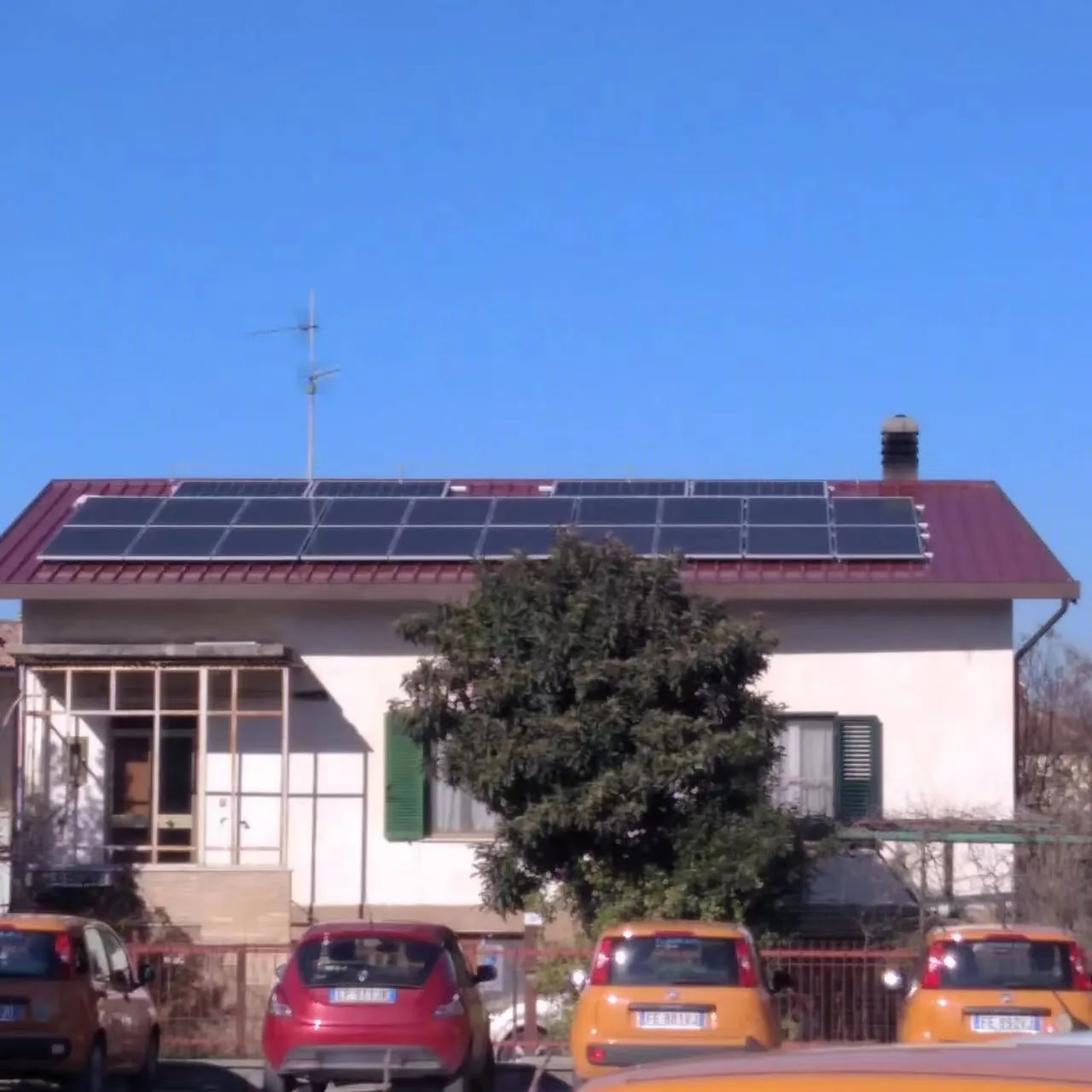
Of course, the real hero here is the solar panel itself. As part of the green building materials movement, solar panels are leading the charge in turning buildings into mini power plants. But not all solar panels are created equal. The best ones—like those offered by forward-thinking suppliers—are designed with both efficiency and sustainability in mind.
Let's break down what makes a solar panel "green" beyond just generating clean energy. First, look at the materials used in production. High-quality panels use recyclable components and minimize toxic materials, reducing their environmental impact from factory to installation. Then there's efficiency: panels with higher efficiency ratings (think 20%+) generate more electricity from the same amount of sunlight, meaning you need fewer panels to meet your energy needs. Fewer panels = less raw material used, and less space needed on your roof.
And here's where a solar panels supplier with a focus on innovation stands out. Today's advanced solar panels are built to withstand harsh climates—like the intense heat and sandstorms of the Middle East. They're also low-maintenance, requiring only occasional cleaning to keep performing at their best. For businesses in regions like Saudi Arabia, where sunlight is abundant year-round, this isn't just a "nice-to-have"—it's a smart investment in long-term energy independence.
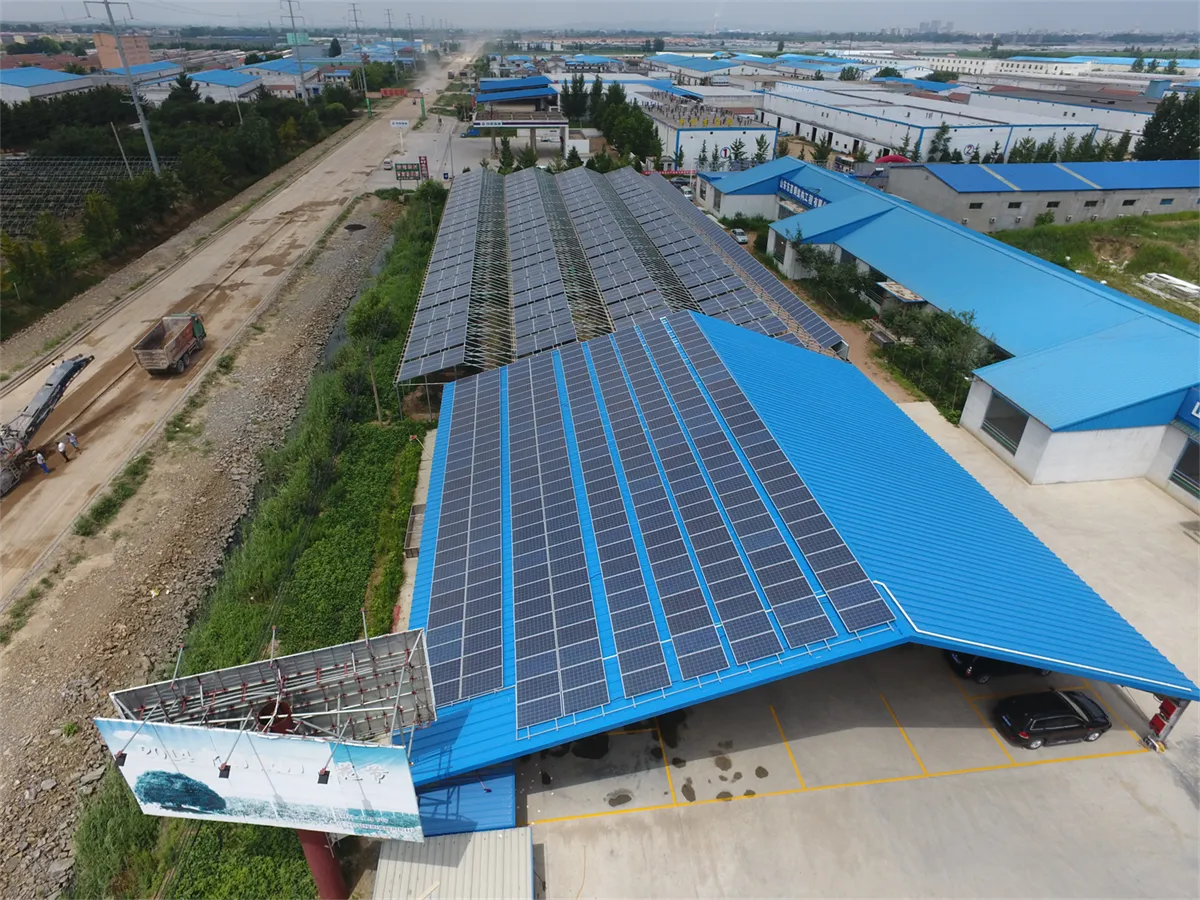
Let's get concrete about the numbers. How exactly do metal roof solar panels reduce your carbon footprint? Let's take a typical residential home in a sunny region like the Middle East. A standard 5kW solar panel system on a metal roof can generate around 8,000 kWh of electricity per year. If that electricity replaces grid power from fossil fuels (which, in many countries, still relies heavily on coal or natural gas), that's roughly 5-6 tons of CO2 saved annually. For context, that's the same as recycling 12 tons of waste instead of sending it to a landfill, or driving 12,000 fewer miles in a gasoline-powered car.
For commercial buildings, the impact is even bigger. A mid-sized office building with a 50kW solar system could save 50-60 tons of CO2 per year. Multiply that across a portfolio of commercial properties, and you're talking about meaningful progress toward corporate sustainability goals—like the "net-zero by 2050" targets many companies are now committing to.
| Scenario | Annual CO2 Emissions | Annual CO2 Savings with Metal Roof Solar Panels |
|---|---|---|
| Residential Home (2,000 sq ft) | 6-8 tons (grid electricity + roof replacement every 25 years) | 5-6 tons (90% reduction in electricity-related emissions) |
| Small Commercial Building (10,000 sq ft) | 50-70 tons (grid electricity + roof replacement every 30 years) | 45-55 tons (85-90% reduction in electricity-related emissions) |
| Large Commercial Complex (100,000 sq ft) | 500-700 tons (grid electricity + roof replacement every 30 years) | 450-600 tons (90% reduction in electricity-related emissions) |
But the savings don't stop at emissions. Metal roof solar panels also reduce reliance on non-renewable resources. Every kilowatt-hour of solar electricity used is one less kilowatt-hour generated by burning coal, oil, or gas—resources that take millions of years to form and can't be replaced. In a world where energy security is increasingly tied to sustainability, that's a win for both your carbon footprint and your bottom line.
Okay, so you're sold on metal roof solar panels. Now what? Here's where many people hit a wall: coordinating between roofers, solar installers, material suppliers, and engineers. It's a hassle, and miscommunication between teams can lead to delays, extra costs, or even subpar results. That's why choosing a one-stop architectural solution provider is a game-changer.
A one-stop provider handles everything from design to delivery. Need help selecting the right metal roof material for your climate? They've got you. Want solar panels that integrate seamlessly with your roof's aesthetics and weight capacity? They'll custom-engineer the solution. Need to coordinate with local contractors in Saudi Arabia to meet building codes? They've got local expertise. No more playing phone tag between five different companies—just a single point of contact, a unified vision, and a project that stays on track.
For example, a provider with deep roots in the Middle East, like those with decades of experience in Saudi Arabia, understands the unique challenges of the region. They know which metal roof materials can withstand extreme heat and sandstorms, which solar panels perform best in high temperatures, and how to align projects with Saudi Arabia's "2030 Vision"—a plan that prioritizes sustainability,, and reduced reliance on oil. That local knowledge isn't just convenient; it's critical for ensuring your solar system delivers the long-term results you're counting on.
Whether you're a homeowner or a commercial developer, metal roof solar panels offer tailored benefits. Let's break it down.
As a residential building materials supplier focused on sustainability, we know homeowners care about more than just energy bills. They want a home that's comfortable, durable, and reflects their values. Metal roof solar panels deliver on all three. The reflective metal roof keeps interiors cooler in summer, reducing the need for air conditioning. The solar panels provide free electricity, slashing monthly bills by 50-90%. And knowing your home is generating clean energy? That's a source of pride that goes beyond dollars and cents.
Plus, with whole-house customization options—like matching your roof color to your home's exterior, or integrating solar panels with other green features like rainwater harvesting systems—a one-stop provider can turn your sustainability goals into a cohesive, beautiful home upgrade.
For commercial developers and business owners, metal roof solar panels are a strategic investment. As a commercial building materials supplier , we've seen firsthand how sustainable buildings attract tenants, boost employee morale, and enhance brand reputation. In fact, studies show that LEED-certified buildings command 10-15% higher rental rates and have lower vacancy rates than non-certified buildings.
Then there's the financial angle. Solar panels lock in energy costs for decades, protecting businesses from volatile fossil fuel prices. In regions like Saudi Arabia, where government incentives for renewable energy are growing, businesses can also access tax breaks or grants for installing solar. And with stricter environmental regulations on the horizon—like the EU's Carbon Border Adjustment Mechanism (CBAM) or Saudi Arabia's push for net-zero by 2060—getting ahead on sustainability now means avoiding costly retrofits later.
Pro Tip: When planning your metal roof solar panel project, ask your supplier about "cradle-to-grave" sustainability. That means checking not just the energy savings during use, but also the environmental impact of manufacturing the materials, shipping them, and recycling them at the end of their lifecycle. A truly green supplier will be transparent about these details—and may even offer take-back programs for old panels.
If there's one region primed to lead the solar revolution, it's the Middle East. With some of the highest solar irradiance levels in the world (up to 3,000 hours of sunlight per year in Saudi Arabia), the potential for solar energy is staggering. And governments are taking notice. Saudi Arabia's "2030 Vision" includes a target of generating 50% of its energy from renewable sources by 2030, with solar playing a central role. For businesses operating in the region, this isn't just a trend—it's a mandate.
But succeeding in the Middle East's solar market requires more than just importing panels from abroad. It requires understanding local conditions: extreme temperatures that can degrade subpar materials, sandstorms that scratch and damage surfaces, and unique building codes designed for desert climates. A supplier with a local presence—like an office or in Saudi Arabia—can navigate these challenges, ensuring your solar system is built to last.
Take, for example, the choice of solar panels. Standard panels might lose efficiency when temperatures rise above 25°C (77°F), but high-quality panels designed for hot climates can maintain 85-90% efficiency even in 40°C (104°F) heat. Pair that with a metal roof coated to resist corrosion from salt air (important for coastal areas like Jeddah), and you've got a system that thrives in the Middle East, not just survives.
At the end of the day, installing metal roof solar panels is about more than buying materials—it's about building a partnership with a supplier who shares your commitment to sustainability. Here's what to look for:
When you find a supplier that checks these boxes, you're not just getting solar panels—you're getting a partner in reducing your carbon footprint, one roof at a time.
As the world races to meet "" (dual carbon goals) and combat climate change, metal roof solar panels are emerging as a simple, scalable solution. They're not just for eco-warriors or tech enthusiasts—they're for anyone who wants to build smarter, save money, and leave a lighter footprint on the planet.
Whether you're a homeowner in Riyadh looking to cut energy bills, a hotel developer in Dubai aiming for LEED Platinum, or a commercial builder in Jeddah supporting Saudi Arabia's 2030 Vision, the message is clear: Your roof can do more. It can generate clean energy, reduce waste, and set a new standard for sustainable building.
So why wait? The sun is shining, the technology is here, and the planet can't afford delays. Partner with a one-stop architectural solution provider who understands green building materials, local markets, and the power of metal roof solar panels. Together, we can turn every roof into a step toward a lower-carbon future.
Recommend Products












