

In a world where the phrase "carbon neutrality" has shifted from a buzzword to a urgent global mission, every industry is being called to rethink its impact—including construction, one of the largest contributors to carbon emissions. From the cement in our foundations to the steel in our skyscrapers, traditional building materials have long left heavy footprints on the planet. But what if there was a way to build beautifully, durably, and responsibly? Enter MCM flexible cladding stone wall panels: a game-changer in sustainable construction that's not just transforming building facades, but also helping us take tangible steps toward a net-zero future. As cities grow, and as homeowners and businesses alike prioritize eco-conscious choices, the demand for materials that align with both aesthetics and environmental responsibility has never been higher. Today, we're diving into how these innovative panels work, why they matter for global carbon goals, and how the right mcm flexible cladding stone wall panel supplier can turn green building aspirations into reality.
Let's start with the big picture: the planet is counting on us. The Paris Agreement's target of limiting global warming to 1.5°C above pre-industrial levels hinges on achieving net-zero carbon emissions by 2050. For the construction sector, which accounts for nearly 40% of global energy-related carbon dioxide emissions (according to the UN Environment Programme), this means radical change isn't optional—it's essential. From extraction and manufacturing to transportation and installation, every step in a building material's lifecycle adds up. Traditional cladding materials like natural stone, brick, or vinyl siding, for example, often require energy-intensive mining, high-temperature processing, or non-recyclable plastics, making them major contributors to the carbon footprint of buildings.
This is where innovative solutions like mcm flexible cladding stone wall panel solutions come into play. By reimagining what cladding can be—lighter, more durable, and designed with the planet in mind—these panels are proving that sustainability and aesthetics don't have to be trade-offs. They're not just a "green alternative"; they're a practical response to a global crisis, offering builders, architects, and homeowners a way to reduce emissions without compromising on style, performance, or longevity.
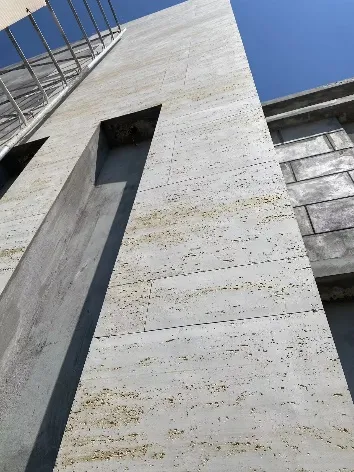
If you're new to the term, "MCM" stands for "Modified Composite Material," but don't let the technical name fool you—these panels are all about innovation and adaptability. Think of them as a modern twist on traditional stone cladding: they mimic the look and texture of natural stone, marble, or granite, but with a flexible, lightweight design that makes installation a breeze. Unlike heavy, rigid stone slabs that require massive structural support, MCM panels are thin (often just 3-6mm thick), bendable, and easy to handle, which not only cuts down on installation time but also reduces the need for excess building materials to support their weight.
But what really sets them apart is their eco-friendly DNA. Most MCM panels are made from a blend of natural minerals, recycled polymers, and reinforcing fibers—materials that are either sustainably sourced or repurposed from other industries. This not only reduces reliance on virgin resources but also minimizes waste. For example, some manufacturers use recycled plastic from post-consumer waste, giving a second life to materials that might otherwise end up in landfills. And because they're lightweight, transporting MCM panels generates far fewer emissions than shipping heavy stone or brick, which is a small detail with a big impact on the overall carbon footprint.
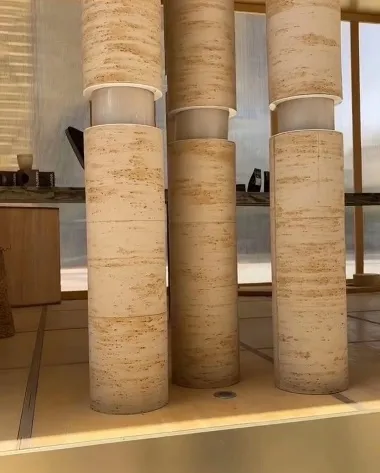
Let's break down the eco-friendly features that make MCM flexible cladding stone wall panels a standout choice for anyone serious about reducing their carbon footprint. It's not just one thing—it's a combination of smart design, sustainable materials, and long-term durability that adds up to real environmental benefits.
The "cradle-to-grave" lifecycle of a building material matters, and MCM panels shine here. Their manufacturing process uses significantly less energy than traditional cladding materials. For instance, firing bricks in a kiln or quarrying natural stone requires high heat and heavy machinery, both of which guzzle fossil fuels. MCM production, on the other hand, often uses low-temperature pressing and curing methods, slashing energy use by up to 50% compared to stone quarrying or ceramic tile production. And because they're lightweight, transporting a truckload of MCM panels emits far less CO2 than hauling the same area of natural stone—imagine shipping 100 square meters of stone versus 100 square meters of MCM panels; the difference in fuel consumption is staggering.
Sustainability isn't just about what a product is made of—it's about how long it lasts. MCM panels are built to withstand the elements: they're water-resistant, fade-resistant (even in harsh UV light), and resistant to cracks, chips, and mold. Unlike wood siding, which might need repainting every few years, or vinyl, which can warp in extreme heat, MCM panels require almost no maintenance. This longevity means fewer replacements over the lifetime of a building, which translates to less waste and fewer emissions from manufacturing and installing new materials. In fact, many MCM panels come with a 20-30 year warranty, outlasting traditional options like painted wood (which might need recoating every 5-7 years) or vinyl siding (which typically lasts 15-20 years).
Here's a bonus: MCM panels don't just reduce emissions during production—they can help buildings use less energy, too. Many MCM solutions include built-in insulation properties, acting as a thermal barrier that keeps heat in during winter and out during summer. This means lower heating and cooling costs for homeowners and businesses, which in turn reduces reliance on fossil fuels for energy. For example, a commercial building clad in MCM panels might see a 10-15% reduction in energy bills compared to one with traditional stone cladding, according to some industry studies. That's a win for both the planet and the bottom line.
When the time finally comes to replace MCM panels (decades down the line), they don't have to end up in a landfill. Many manufacturers design their panels to be recyclable, breaking them down into raw materials that can be reused in new products. And during installation, MCM panels emit very low levels of volatile organic compounds (VOCs), which are harmful chemicals that can off-gas from some building materials and contribute to indoor air pollution. This makes them a safer choice for both the environment and the people living or working in the building—a crucial detail for spaces like schools, hospitals, or homes where air quality matters most.
Still not sure how MCM stacks up against traditional cladding materials? Let's put it all in perspective with a quick comparison. The table below breaks down key factors like carbon footprint, durability, and flexibility to show why more builders are making the switch.
| Feature | MCM Flexible Cladding | Natural Stone Cladding | Brick Cladding | Vinyl Siding |
|---|---|---|---|---|
| Carbon Footprint (Manufacturing & Transport) | Low (50-70% less than stone/brick) | High (energy-intensive quarrying/transport) | High (firing in kilns uses fossil fuels) | Medium (made from virgin plastic, non-recyclable) |
| Durability (Lifespan) | 20-30 years | 50+ years (but heavy, prone to cracking) | 50+ years (but porous, needs sealing) | 15-20 years (prone to warping/fading) |
| Installation Flexibility | High (lightweight, bendable, easy to cut) | Low (heavy, requires structural support) | Low (rigid, labor-intensive laying) | Medium (lightweight but less flexible than MCM) |
| Eco-Rating (Sustainability) | Excellent (recyclable, low VOC, recycled materials) | Fair (natural material but high extraction impact) | Fair (natural but high energy use in production) | Poor (non-biodegradable, fossil fuel-based) |
As you can see, MCM panels hold their own in almost every category, especially when it comes to sustainability. They offer the best of both worlds: the timeless look of natural materials with the modern benefits of low carbon impact, easy installation, and long-term durability.

One of the things builders and designers love most about MCM flexible cladding stone wall panel solutions is their versatility. They're not just for one type of building—they work in residential, commercial, and even industrial settings, adapting to any style or structure. Let's take a look at some common applications:
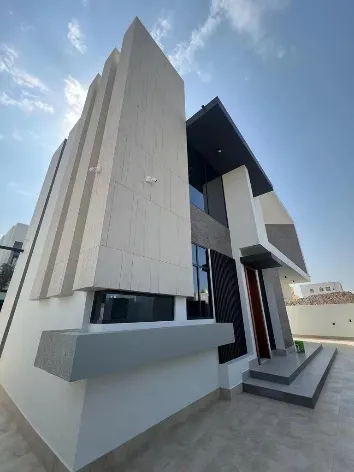
Imagine coming home to a house with the warm, rustic charm of stone cladding—but knowing that your home is doing its part for the planet. MCM panels are perfect for residential exteriors, whether you're building a new home or renovating an old one. They can be used on feature walls, entire facades, or even accent areas like entryways or porches. And because they're flexible, they can wrap around curved surfaces or unique architectural details that would be impossible with rigid stone. Homeowners also love that MCM panels come in a wide range of colors and textures, from sleek modern grays to earthy terracotta, so they can match any design aesthetic without sacrificing sustainability.
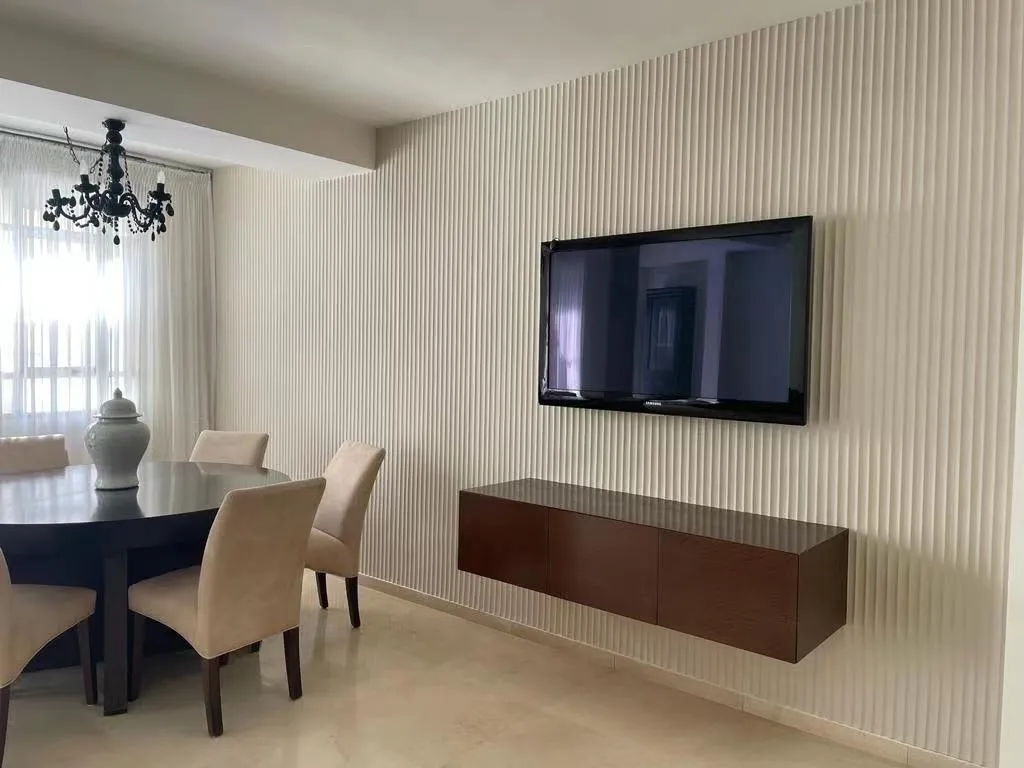
Inside the home, MCM panels are gaining popularity too. They make stunning accent walls in living rooms, bedrooms, or home offices, adding texture and depth without the weight or cost of real stone. And since they're water-resistant, they're a great choice for bathrooms or kitchens where moisture is a concern—no more worrying about mold or water damage.
Commercial buildings, from office towers to retail stores, are under increasing pressure to meet sustainability goals—and MCM panels are helping them get there. For example, a hotel chain looking to reduce its carbon footprint might use MCM cladding on its exterior to lower energy costs and showcase its commitment to the environment. A restaurant could use MCM panels on its facade to create a welcoming, high-end look while keeping construction waste to a minimum. Even hospitals and schools are turning to MCM panels, thanks to their low-VOC emissions and durability (they're easy to clean and resistant to wear and tear, which is a must in high-traffic areas).
One standout example is a recent project in Riyadh, Saudi Arabia, where a commercial complex used mcm flexible cladding stone wall panel solutions to clad its entire facade. The result? A building that looks like it's wrapped in natural sandstone, but with a carbon footprint 60% lower than if traditional stone had been used. The lightweight panels also reduced the need for extra structural steel, cutting construction time by 20% and saving the developer both time and money. It's a win-win for the environment and the bottom line.
While MCM panels are a star player in the eco-friendly building game, they're not the only option. Forward-thinking suppliers are expanding their offerings to include a range of sustainable materials that support carbon neutral goals. One such material is bamboo charcoal board wall panels—a innovative solution that combines sustainability with health benefits. As a bamboo charcoal board wall panel supplier, companies are bringing this unique product to market, and it's quickly gaining traction among eco-conscious builders.
Bamboo charcoal boards are made from compressed bamboo fibers and activated charcoal, which has natural air-purifying properties. They absorb moisture, odors, and harmful pollutants from the air, making indoor spaces healthier and more comfortable. Like MCM panels, they're lightweight, easy to install, and made from renewable resources (bamboo grows quickly and requires no pesticides, making it one of the most sustainable woods on the planet). Bamboo charcoal boards are perfect for schools, hospitals, or homes where indoor air quality is a top priority, and they pair beautifully with MCM panels for a cohesive, eco-friendly design.
Other sustainable options include Class A fireproof CPL inorganic boards, which are ideal for high-safety spaces like hospitals and schools, and porcelain slab tiles, which offer the durability of stone with lower manufacturing emissions. The key is that these materials aren't just "greenwashed"—they're designed from the ground up to reduce environmental impact while delivering the performance and style that builders and designers demand.
When it comes to choosing eco-friendly building materials, the right supplier makes all the difference. A mcm flexible cladding stone wall panel supplier isn't just someone who sells you panels—they're a partner in your sustainability journey, offering expertise, support, and tailored solutions to meet your project's unique needs. Here's what to look for in a supplier:
The best suppliers prioritize sustainability in their own operations, from sourcing materials to manufacturing processes. Look for suppliers who can provide certifications like LEED, GreenGuard, or FSC, which verify that their products meet strict environmental and health standards. They should also be transparent about their carbon footprint, sharing details about how their materials are made and how they're working to reduce emissions.
Every building is different, and a one-size-fits-all approach rarely works. A good supplier will work with you to understand your project's goals—whether it's reducing energy costs, meeting a specific carbon target, or achieving a certain aesthetic—and recommend the right MCM panels or complementary materials (like bamboo charcoal boards) to get the job done. They might even offer custom colors or textures to match your design vision.
Installing MCM panels is different from traditional cladding, and you'll want a supplier who can provide training, installation guides, or even on-site support to ensure the job goes smoothly. This not only saves time and reduces mistakes but also ensures that the panels perform as expected, maximizing their lifespan and sustainability benefits.
The most valuable suppliers offer a portfolio of sustainable materials, so you can source multiple products from one place and reduce the carbon footprint of shipping and logistics. For example, a supplier that offers both MCM panels and bamboo charcoal boards can help you create a cohesive, eco-friendly design without juggling multiple vendors.
As the world races to meet carbon neutral goals, the demand for sustainable building materials will only grow—and MCM flexible cladding stone wall panels are poised to lead the way. With ongoing advancements in manufacturing technology, we can expect even more eco-friendly innovations, like panels made from 100% recycled materials or those that generate solar energy. Imagine a building facade that not only reduces emissions but also produces clean energy—sounds like science fiction, but it's closer than you think.
But the real power of MCM panels lies in their ability to make sustainability accessible. They prove that going green doesn't have to mean sacrificing style, durability, or affordability. Whether you're a homeowner building your dream house or a commercial developer working on a large-scale project, there's a place for MCM panels in your plans. And as more people choose these materials, the industry will continue to innovate, driving down costs and expanding options for eco-friendly construction.
At the end of the day, every building we construct is a choice—a choice about what kind of planet we want to leave for future generations. MCM flexible cladding stone wall panels aren't just a building material; they're a statement that beauty and sustainability can go hand in hand. And in a world where every carbon footprint counts, that's a statement worth making.
Global carbon neutrality isn't a distant goal—it's a mission we're all working toward, one decision at a time. For builders, architects, and homeowners, choosing eco-friendly materials like MCM flexible cladding stone wall panels is a tangible way to contribute. These panels offer a perfect blend of sustainability, style, and performance, proving that we don't have to choose between the planet and the buildings we love.
So whether you're planning a small home renovation or a large commercial project, consider MCM panels. Talk to a mcm flexible cladding stone wall panel supplier, ask about their solutions, and see how they can help you reduce your carbon footprint. Together, we can build a world where every building is a step toward a healthier, greener future—one panel at a time.
Recommend Products











