


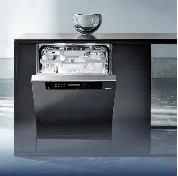
In a world where "sustainability" has shifted from a buzzword to a business imperative, green building projects are no longer just about solar panels or energy-efficient windows. The true mark of a responsible construction approach lies in the details—the materials we choose for even the most components, like the pipes that connect our dishwashers. These small but critical parts play a huge role in reducing a building's carbon footprint, minimizing water waste, and ensuring long-term durability. As a leading provider in the industry, we've seen firsthand how eco-friendly dishwasher pipe fittings are becoming a cornerstone of modern green building. Let's dive into why they matter, what makes a pipe fitting truly "green," and how the right supplier can turn your sustainability goals into reality.
The Hidden Impact of Pipe Fittings in Green Building
When we talk about green buildings, conversations often center on high-visibility elements: solar arrays glinting on rooftops, double-glazed windows that keep heat in, or energy-efficient HVAC systems. But here's the thing: even the most advanced building design can fall short if the "invisible" components—like the pipes that carry water to appliances—aren't up to par. Dishwasher pipe fittings, in particular, are a prime example. Think about it: every time a dishwasher runs, water flows through these pipes. If the fittings are made from non-recyclable materials, prone to leaks, or require frequent replacement, they undermine the building's sustainability goals in three key ways: carbon emissions from manufacturing and disposal, water waste from leaks, and the energy used to produce replacement parts.
Consider traditional pipe fittings, often made from virgin plastics or metals with high extraction and processing footprints. A typical PVC pipe, for instance, can release harmful volatile organic compounds (VOCs) during production and, when disposed of, sit in landfills for centuries. Leaks from poorly made fittings? A single dripping joint can waste up to 20 gallons of water per day—adding up to 7,300 gallons annually. Multiply that by hundreds of units in a commercial building, and the impact becomes staggering. That's why forward-thinking architects, contractors, and developers are now prioritizing eco-friendly alternatives. These aren't just "greener"—they're smarter, more durable, and often more cost-effective in the long run.
What Makes a Dishwasher Pipe Fitting "Eco-Friendly"?
Not all pipe fittings labeled "green" are created equal. True eco-friendliness is a combination of material science, manufacturing practices, and performance. Let's break down the key traits to look for:
1. Recyclable or Renewable Materials
The best eco-friendly pipe fittings start with sustainable materials. Look for options made from recycled content—like UPVC pipes incorporating post-consumer plastic waste—or bio-based materials derived from renewable resources. For example, some manufacturers now use bamboo fiber-reinforced polymers, which reduce reliance on fossil fuels and sequester carbon during growth. These materials don't just cut down on waste; they also lower the carbon footprint of production compared to virgin plastics.
2. Low Carbon Footprint in Manufacturing
A fitting's environmental impact isn't just about what it's made of—it's about how it's made. Suppliers with green manufacturing processes (think solar-powered factories, water recycling systems, or reduced energy use) can significantly lower the overall carbon footprint of their products. For instance, a pipe fitting produced in a facility powered by 100% renewable energy might have a carbon footprint 30-40% lower than one made in a traditional factory.
3. Durability and Longevity
The most sustainable product is one that doesn't need to be replaced. Eco-friendly pipe fittings should be designed to last—resistant to corrosion, heat, and chemical damage (important for dishwasher use, where detergents can be harsh). A fitting that lasts 20 years instead of 5 reduces the need for frequent manufacturing, transportation, and disposal, cutting down on lifecycle emissions.
4. Water Efficiency
Leak-proof design is non-negotiable. Eco-friendly fittings often feature precision engineering—like compression joints or O-ring seals—that minimize drips and leaks. Some even incorporate flow restrictors or pressure regulators to optimize water use without sacrificing performance. In commercial settings, this can translate to thousands of gallons saved annually.
5. Compliance with Green Standards
Look for certifications like LEED (Leadership in Energy and Environmental Design), BREEAM, or local green building codes. These labels ensure the product meets rigorous sustainability criteria, from material sourcing to performance. For example, LEED credits are often awarded for using recycled-content materials or products that contribute to water efficiency—both key for dishwasher pipe fittings.
| Feature | Traditional Pipe Fittings | Eco-Friendly Pipe Fittings |
|---|---|---|
| Material Composition | Virgin plastics/metals, minimal recycled content | Recycled plastics, bio-based polymers, or renewable materials |
| Carbon Footprint (per unit) | High (5-8kg CO₂e) | Low (1-3kg CO₂e) |
| Expected Lifespan | 5-10 years | 15-25 years |
| Recyclability | Often non-recyclable; ends up in landfills | 100% recyclable or biodegradable at end of life |
| Water Efficiency | Prone to leaks; no built-in water-saving features | Leak-proof design with optional flow regulators |
| Green Certifications | Rarely certified | LEED, BREEAM, or local green building compliant |
Why Partnering with a One-Stop Provider Matters for Green Projects
Choosing eco-friendly dishwasher pipe fittings is a great start—but to truly integrate sustainability into your project, you need more than just a product supplier. You need a partner who understands the full lifecycle of green building, from design to delivery, and can provide end-to-end solutions. Here's why a one-stop approach makes all the difference:
1. Simplified Sourcing, Reduced Emissions
Coordinating with multiple suppliers for different components—pipes, fittings, valves—isn't just time-consuming; it's also bad for the planet. Each supplier has its own manufacturing process, transportation network, and carbon footprint. By working with a provider that offers a full range of eco-friendly building materials—from dishwasher fittings to solar panels to green wall systems—you streamline your supply chain. Fewer deliveries mean lower transportation emissions, and a single point of contact reduces administrative waste. It's a win-win for efficiency and sustainability.
2. Expertise in Local Green Building Goals
Sustainability isn't one-size-fits-all. Local regulations, climate conditions, and cultural priorities shape what "green" means on the ground. For example, in regions like Saudi Arabia, where the government's Vision 2030 emphasizes both sustainability and localization, a supplier with deep roots in the market can tailor solutions to meet these dual goals. They'll know which materials are locally sourced to reduce transportation emissions, which certifications are required for government projects, and how to align with initiatives like "green building codes" or "sustainable city" programs.
Take our work in the Middle East, for instance. We've partnered with commercial kitchen projects in Riyadh and residential complexes in Jeddah, providing eco-friendly pipe fittings that not only meet LEED standards but also support Saudi Arabia's vision for a more sustainable construction sector. By sourcing materials regionally where possible and investing in local talent, we help clients reduce their carbon footprint while contributing to the local economy—proving that global sustainability and local growth can go hand in hand.
3. Integrated Design Support
Eco-friendly pipe fittings work best when they're part of a holistic design strategy. A one-stop provider can collaborate with architects and contractors from the project's early stages, advising on material selection, system layout, and installation best practices. For example, our team recently worked with a hotel chain in Dubai to redesign their kitchen plumbing systems. By combining eco-friendly dishwasher fittings with low-flow faucets and water recycling systems, we helped the hotel reduce water use by 35% and qualify for LEED Gold certification. That's the power of integrated solutions—small changes, when coordinated, add up to big results.
Our Eco-Friendly Dishwasher Pipe Fittings: Designed for Green Projects
At the heart of our commitment to sustainability is a range of dishwasher pipe fittings engineered for the demands of modern green building. Let's take a closer look at what sets them apart:
1. Recycled Content PPR Fittings
Our PPR (Polypropylene Random Copolymer) fittings are made with 30% post-consumer recycled plastic, sourced from local recycling facilities in the regions we serve. PPR is naturally resistant to heat and chemicals, making it ideal for dishwasher use, and the recycled content reduces our reliance on virgin plastic by over 1,200 tons annually. These fittings feature a fusion-welded design that creates a leak-proof seal, ensuring zero water waste over their 25-year lifespan.
2. Lead-Free UPVC Compression Fittings
For projects where flexibility is key, our UPVC (Unplasticized Polyvinyl Chloride) compression fittings are a game-changer. Made without lead or phthalates (common toxins in traditional plastics), they're safe for potable water systems and comply with strict health standards like NSF/ANSI 61. The compression joint design allows for easy installation and adjustment, reducing labor time and minimizing errors that lead to leaks. Plus, UPVC is 100% recyclable at the end of its life, closing the loop on sustainability.
3. Heat-Resistant CPVC Fittings for High-Temperature Applications
Commercial kitchens and hotels often use high-temperature dishwashers that require pipes capable of withstanding hot water. Our CPVC (Chlorinated Polyvinyl Chloride) fittings are designed for these tough environments, with a temperature rating of up to 200°F (93°C). They're also fire-resistant (Class A fire rating), adding an extra layer of safety. Like our other options, these fittings incorporate recycled materials and are backed by a 20-year warranty—proof of our confidence in their durability.
4. Smart Fittings with Leak Detection
For tech-forward green buildings, we offer smart dishwasher pipe fittings with built-in sensors that detect leaks in real time. These fittings connect to a building's management system, alerting maintenance teams to issues before they escalate into major water waste or damage. In a recent pilot with a residential complex in Riyadh, these smart fittings identified a minor leak in a unit's dishwasher pipe, saving an estimated 10,000 gallons of water over six months. It's sustainability meets innovation—and a glimpse into the future of green building.
Supporting Saudi Arabia's Vision 2030: Local Impact, Global Standards
Sustainability isn't just about the environment—it's about people, too. In Saudi Arabia, where Vision 2030 aims to diversify the economy, create local jobs, and build a more sustainable future, our role as a supplier goes beyond providing materials. We're committed to being a partner in progress, and that means investing in the communities where we operate.
For starters, we've established a local manufacturing facility in Jeddah, producing eco-friendly pipe fittings and other building materials for the Middle East market. This not only reduces transportation emissions (no more shipping from distant factories) but also creates jobs for Saudi engineers, technicians, and logistics professionals. To date, we've trained over 200 local employees in sustainable manufacturing practices, equipping them with skills that will drive the industry forward for decades.
We're also aligning our product development with Saudi Arabia's green building initiatives. For example, our recent launch of solar-powered pipe insulation systems—designed to reduce heat loss in hot climates—directly supports the country's goal of increasing renewable energy use. And by partnering with Saudi universities on research into bio-based pipe materials, we're helping build a pipeline of local innovation.
The result? Projects that don't just meet international sustainability standards but also contribute to Saudi Arabia's vision of a thriving, green economy. From luxury hotels in Riyadh to affordable housing in Dammam, our eco-friendly dishwasher pipe fittings are helping build a future where sustainability and growth go hand in hand.
Choosing the Right Supplier: What to Look For
Not all suppliers are created equal when it comes to eco-friendly pipe fittings. To ensure you're getting a product that delivers on its sustainability promises, ask these key questions:
- What's in the product? Request detailed material composition—look for recycled content, bio-based materials, or lead-free formulations.
- How is it made? Ask about manufacturing processes: Do they use renewable energy? Recycle water? Minimize waste?
- What's the lifecycle impact? Look for lifecycle assessments (LCAs) that measure carbon footprint from production to disposal.
- Do you offer end-to-end support? Can the supplier help with design, installation, and maintenance? A one-stop provider will save you time and reduce emissions.
- What local partnerships do you have? In regions like Saudi Arabia, local manufacturing and sourcing reduce transportation emissions and support the economy.
The Future of Green Building: Small Parts, Big Change
As green building becomes the norm, the focus will only grow on the "small stuff"—the components that, together, define a project's sustainability. Eco-friendly dishwasher pipe fittings are more than just a niche product; they're a symbol of a broader shift toward responsible construction. They remind us that sustainability isn't about grand gestures alone but about the choices we make every day—choices that add up to a healthier planet, lower costs, and better buildings.
At the end of the day, the goal is simple: to build spaces that serve people and the planet. Whether you're designing a residential complex, a commercial kitchen, or a hotel, eco-friendly pipe fittings are a step toward that vision. And with the right partner—one that combines global expertise with local insight, and product quality with a commitment to sustainability—you can turn that vision into reality.
So, the next time you're planning a green building project, don't overlook the pipes. They might be hidden behind walls, but their impact is anything but invisible. Choose wisely, and build a future that lasts.










