

Walk into any modern home improvement store or flip through a architecture magazine these days, and you'll notice a quiet revolution unfolding: sustainability isn't just a buzzword anymore—it's the backbone of how we build. From homeowners redoing their living rooms to commercial developers constructing skyscrapers, everyone's asking the same question: How can we create spaces that look good, last long, and don't cost the Earth? The answer, increasingly, lies in the materials we choose. And when it comes to walls—the literal and figurative backbone of any structure—one solution is rising to the top: WPC wall panels. But not just any WPC panels. Today, we're diving into what makes an eco-conscious WPC wall panel supplier stand out, why their products matter, and how choosing them can turn your next project into a win for both your space and the planet.
First things first: if you're new to the world of building materials, WPC might sound like just another acronym in a sea of jargon. Let's break it down. WPC stands for Wood-Plastic Composite. Think of it as the perfect marriage of two materials we've relied on for decades: wood and plastic. But instead of taking fresh trees or virgin plastic, WPC blends recycled wood fibers (like sawdust or wood chips from lumber mills) with recycled plastic (think old water bottles or packaging) and a mix of additives to boost strength, durability, and resistance to the elements. The result? A panel that looks and feels like wood but behaves like a supercharged, low-maintenance material that's built to last.
But here's the kicker: not all WPC is created equal. Some suppliers cut corners, using cheap plastics or minimal recycled content to keep costs low. That's where the "eco-conscious" part comes in. An ethical WPC wall panel supplier prioritizes sustainability at every step—from sourcing raw materials to manufacturing to packaging. They're not just selling a product; they're selling a promise that your walls won't come with a hidden environmental price tag.

To understand why choosing an eco-conscious WPC wall panel supplier matters, let's take a quick trip down memory lane to the materials we've historically used for walls. Think about solid wood panels: beautiful, sure, but they require cutting down trees—trees that take decades to grow and play a critical role in absorbing carbon dioxide. Then there's PVC, a plastic wall panel that's cheap and easy to install but is made from virgin petroleum, releases harmful chemicals during manufacturing, and can leach toxins into the air over time. Even some newer options, like MCM flexible cladding stone wall panels (another popular choice for exteriors), while durable, often rely on energy-heavy production processes or non-recyclable components.
The numbers tell a stark story. According to the United Nations Environment Programme, the construction industry is responsible for 39% of global carbon emissions, with building materials accounting for a huge chunk of that. Every time we choose a material that requires deforestation, uses non-renewable resources, or generates excessive waste, we're adding to that footprint. An eco-conscious WPC wall panel supplier flips the script by turning waste into wealth—literally. By using recycled wood and plastic, they're diverting materials from landfills (where plastic can take 450+ years to decompose) and reducing the demand for new resources. It's a small shift, but multiplied across thousands of projects, it adds up to a big impact.

You might be thinking, "Okay, sustainability sounds great, but how do I spot a truly eco-conscious supplier from one that's just slapping a 'green' label on their products?" Great question. The best suppliers wear their practices on their sleeves—here's what to look for:
A reputable WPC wall panel supplier won't shy away from telling you exactly what's in their panels. Look for details like: What percentage of the wood fiber is recycled? Where does their plastic come from—post-consumer or post-industrial waste? Do they use any harmful additives, like formaldehyde or heavy metals? The gold standard? Suppliers who can provide third-party certifications, like GREENGUARD for low chemical emissions or FSC (Forest Stewardship Council) for responsibly sourced wood fibers (even recycled ones!).
Making WPC panels shouldn't mean chugging fossil fuels or dumping toxic runoff. Eco-conscious suppliers invest in energy-efficient factories—think solar panels on rooftops, machinery that recycles heat, or water systems that filter and reuse wastewater. They also minimize waste by designing their production lines to use every scrap of material, and if there is waste, they find ways to recycle it (like turning offcuts into smaller panels or donating them to local community projects).
Here's a sustainability truth that's often overlooked: the most eco-friendly product is the one that lasts. A cheap wall panel that warps, fades, or rots after a few years might seem budget-friendly upfront, but replacing it means more materials, more labor, and more waste. An eco-conscious WPC wall panel supplier knows this, so they engineer their panels to stand up to the elements—whether that's humidity in a bathroom, harsh UV rays on a patio, or heavy foot traffic in a commercial space. Look for warranties that back this up—10, 15, even 20 years is a good sign they believe in their product's lifespan.
Sustainability doesn't stop when the panel rolls off the production line. How are the panels packaged? Are they wrapped in single-use plastic, or does the supplier use recycled cardboard, biodegradable wraps, or even reusable crates? And when it comes to shipping, do they optimize delivery routes to reduce fuel use? Some suppliers even offset their carbon emissions by investing in reforestation projects or renewable energy—little touches that show they're committed to the full lifecycle of their products.
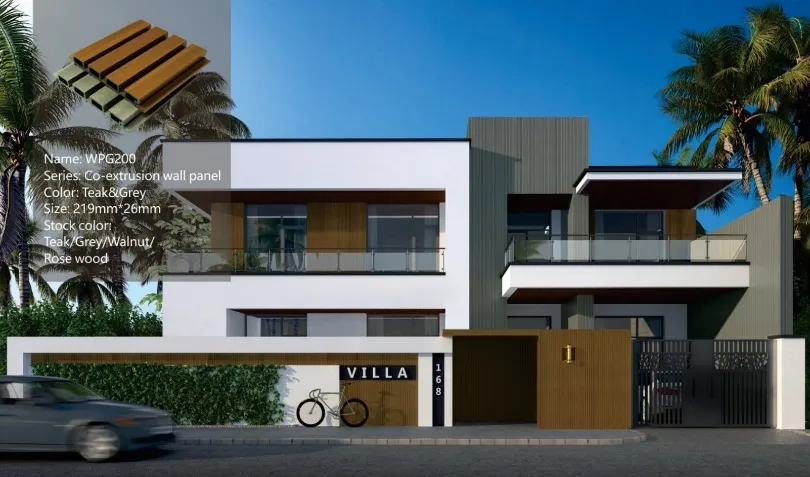
Okay, so we know WPC panels are eco-friendly and durable—but what can you actually do with them? Spoiler: way more than you might think. An innovative WPC wall panel supplier doesn't just sell "wall panels"—they offer solutions for nearly every part of your interior and exterior spaces. Let's take a tour:
Inside the home, WPC panels shine as accent walls, backsplashes, or even ceiling treatments. Imagine walking into a kitchen where the backsplash looks like reclaimed wood but wipes clean with a damp cloth—no fear of water damage or mold. Or a bedroom with a feature wall that mimics the warmth of oak but won't scratch when your kids lean their bikes against it. For commercial spaces, like restaurants or offices, WPC panels add texture without the upkeep: they're resistant to stains, easy to clean, and don't harbor bacteria (a big win for high-traffic areas). And because they come in a range of finishes—from smooth modern grays to rich wood grains—you're not sacrificing style for sustainability.
Now, let's step outside. Traditional wood siding looks great—until it starts rotting after a rainy season or becomes a buffet for termites. WPC panels? They laugh in the face of the elements. As an exterior cladding, they resist moisture, UV rays, and pests, making them perfect for everything from a home's exterior walls to a patio cover or garden fence. Some suppliers even offer specialized WPC panels with added fire resistance (important for areas prone to wildfires) or enhanced insulation properties, helping you cut down on energy bills by keeping heat in (or out) more efficiently.
One of the best things about working with a top-tier WPC wall panel supplier is that they'll help you customize solutions to fit your project. Need a panel that matches a specific color scheme? They can dye the composite to your exact shade. Building in a coastal area with salt air? They'll recommend panels with extra corrosion resistance. It's this kind of flexibility that makes WPC a go-to for designers and DIYers alike.
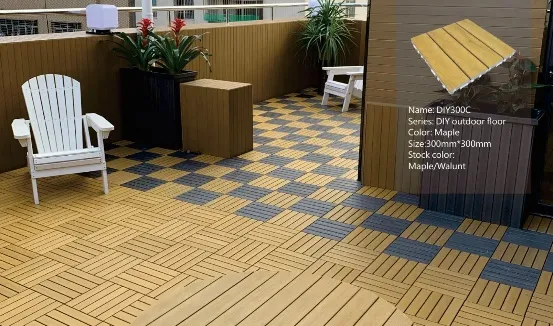
Still on the fence about whether WPC is right for you? Let's put it head-to-head with some common wall materials. The table below breaks down how WPC stacks up against solid wood, PVC, and even MCM flexible cladding stone wall panels (another popular composite) when it comes to sustainability, durability, and practicality.
| Material | Sustainability (Raw Materials) | Durability (Resistance to Moisture, Pests, UV) | Maintenance Needs | Installation Ease | Long-Term Cost |
|---|---|---|---|---|---|
| WPC Wall Panels (Eco-Conscious Supplier) | High: Uses recycled wood fiber and plastic; reduces landfill waste | Excellent: Resists rot, mold, pests, and fading; 10-20 year lifespan | Low: Wipe clean with soap and water; no painting/staining needed | Easy: Lightweight, can be cut with standard tools; often clicks together | Moderate upfront, low long-term: No replacement costs for decades |
| Solid Wood Panels | Low: Requires fresh timber; contributes to deforestation | Poor: Prone to rot, warping, and termites; 5-8 year lifespan outdoors | High: Needs annual painting/staining; regular sealing | Moderate: Heavy; may require professional tools | Low upfront, high long-term: Frequent replacements and maintenance |
| PVC Panels | Low: Made from virgin petroleum; non-biodegradable | Good: Resists moisture and pests but fades in UV light; 8-12 year lifespan | Low: Easy to clean, but prone to scratching | Easy: Lightweight, but can be brittle | Low upfront, moderate long-term: May need replacement sooner than WPC |
| MCM Flexible Cladding Stone Wall Panels | Moderate: Some use recycled materials, but production is energy-heavy | Very Good: Weather-resistant, but heavier and more rigid | Low: Minimal maintenance, but more expensive to repair if damaged | Moderate: Requires specialized installation due to weight | High upfront, moderate long-term: Durable but costly to install/replace |
As you can see, WPC panels from an eco-conscious supplier check nearly every box: they're kind to the planet, tough enough to handle daily life, and won't drain your wallet over time. It's no wonder they're becoming the go-to choice for anyone who wants their walls to work as hard as they do.
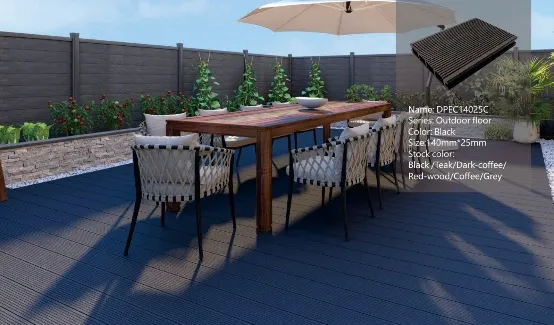
Numbers and tables are great, but nothing drives home the impact of eco-conscious WPC wall panels like real-world examples. Let's meet a few people who've chosen these panels and seen the difference firsthand.
Maria owns a small café in Miami, Florida, right by the beach. A few years ago, she decided to renovate her outdoor patio area, which had become a nightmare: the original wooden walls were rotting from the constant humidity and salt spray, and she was repainting them every six months. "I was spending so much time and money on maintenance, and I hated that we were cutting down trees just to replace walls that would only last a year or two," she says. Then she found an eco-conscious WPC wall panel supplier who specialized in coastal applications. "They walked me through how their panels used recycled plastic from ocean cleanup efforts—how cool is that?—and how they'd resist the salt and moisture. Now, two years later, the panels still look brand new. I haven't lifted a paintbrush, and I sleep better knowing I'm not contributing to deforestation."
When the Greenfield Elementary School in Oregon needed to update their classrooms, sustainability and safety were non-negotiable. "We have kids touching the walls, leaning against them—we needed something that wouldn't off-gas harmful chemicals and could stand up to little hands," explains Principal Rodriguez. The school considered traditional drywall (which can harbor mold) and solid wood (too high-maintenance) before landing on WPC wall panels from a supplier certified for low VOC emissions. "The panels went up in a week, they're easy to clean, and best of all, the supplier gave us a breakdown of how much waste we diverted: over 500 plastic bottles and 200 pounds of wood scraps went into making our panels. The kids even did a project on it—now they call the walls 'our recycled classroom heroes.'"
John, a homeowner in Colorado, dreamed of a rustic-themed living room with wood walls—but he also cared deeply about conservation. "I love the look of wood, but I didn't want to cut down trees for my decor," he says. He tried PVC panels first, but hated how "plastic-y" they felt. Then he discovered WPC panels from an eco-conscious supplier. "The panels have this beautiful wood grain texture—you'd never guess they're made from recycled materials. And the best part? When my sister, who's super into sustainability, visited, she ran her hand over the wall and said, 'This is wood, right?' When I told her it was recycled, she was blown away. Now she's using them in her own home!"
Sustainability isn't a trend—it's the future of construction. And as demand for green building materials grows, eco-conscious WPC wall panel suppliers are innovating faster than ever. Here are a few trends to watch for that could make your next project even more planet-friendly:
Suppliers are pushing the limits of how much recycled material they can pack into WPC panels. Some are now using up to 90% recycled content, including hard-to-recycle plastics like (agricultural film) or ocean plastic. The goal? One day, WPC panels might be made entirely from waste materials—no virgin resources needed.
Imagine WPC panels that do more than just look good. Some suppliers are experimenting with adding features like built-in insulation (to reduce energy use), soundproofing (great for busy homes or offices), or even antimicrobial coatings (perfect for hospitals or schools). The best part? These add-ons are being developed with sustainability in mind, using natural additives instead of harsh chemicals.
The next frontier for eco-conscious suppliers is making WPC panels fully recyclable at the end of their lifespan. Right now, most WPC panels can last 10-20 years, but after that, they typically end up in landfills. Forward-thinking suppliers are working on designs that allow panels to be ground down and reused to make new panels—a true "cradle-to-cradle" approach that eliminates waste entirely.
Ready to take the plunge and choose WPC wall panels for your project? Great! But before you sign on the dotted line, arm yourself with these questions to make sure you're picking a truly eco-conscious supplier:
Remember, a supplier who's truly committed to sustainability will be happy to answer these questions—and might even volunteer extra info about their practices. If they get defensive or vague, that's a red flag.
At the end of the day, choosing an eco-conscious WPC wall panel supplier isn't just about buying a product—it's about making a choice. It's choosing to support a system that values the planet as much as profit. It's choosing to build spaces that are beautiful, functional, and responsible. And it's choosing to leave a legacy that future generations will thank us for.
"We don't inherit the Earth from our ancestors; we borrow it from our children." This old proverb has never felt more relevant than it does today. Every time we pick a sustainable material, we're not just building walls—we're building a future where our kids can enjoy the same clean air, lush forests, and healthy oceans we've been lucky enough to grow up with.
So whether you're a homeowner, a contractor, or a designer, the next time you think about walls, think beyond the surface. Think about the materials. Think about the supplier. And think about the impact. Because when you choose an eco-conscious WPC wall panel supplier, you're not just upgrading your space—you're upgrading the planet. And that's a project worth investing in.
Ready to start your journey? Reach out to a local eco-conscious WPC wall panel supplier today. Ask the tough questions, check their certifications, and see for yourself how easy it is to build green. Your walls (and the Earth) will thank you.
Recommend Products











