

In an era where every construction decision echoes through decades of environmental impact, the choice of building materials has never carried more weight. For architects, developers, and project managers striving to align with global sustainability goals—from the UAE's net-zero 2050 pledge to Saudi Arabia's Vision 2030—finding partners who deliver both performance and planet-friendly solutions is no longer optional. Enter wood-plastic composite (WPC) wall panels: a material that marries the warmth of wood with the durability of plastic, all while keeping sustainability at its core. And at the forefront of this green revolution stands Coloria, a one-stop architectural solution provider with a legacy of turning building visions into eco-conscious realities.
Walk into any modern commercial space or residential development today, and you'll notice a quiet shift: walls that don't just divide rooms, but tell stories of responsibility. WPC wall panels have emerged as the darling of sustainable construction, and for good reason. Unlike traditional materials that rely on depleting forests or emit harmful VOCs, WPC panels blend recycled plastic fibers and responsibly sourced wood particles—a marriage that slashes reliance on virgin resources while giving new life to materials that would otherwise clog landfills.
But sustainability isn't their only selling point. Imagine specifying a wall panel for a high-traffic hotel lobby: it needs to resist scratches from luggage carts, stand up to humidity in coastal areas, and install quickly to keep projects on schedule. WPC panels check every box. Their moisture-resistant core makes them ideal for bathrooms and kitchens, while their rigid structure handles the wear and tear of commercial spaces. For developers in the Middle East, where extreme temperatures and sandstorms test building materials daily, WPC's UV stability and low maintenance needs are nothing short of a game-changer.
| Feature | Traditional Wall Panels | Coloria's Eco-Certified WPC Panels |
|---|---|---|
| Environmental Impact | High: Deforestation, plastic waste, VOC emissions | Low: 70% recycled materials, zero VOCs, FSC-certified wood |
| Durability | Prone to warping, rot, and insect damage | Weather-resistant, anti-corrosive, 25-year lifespan |
| Installation Time | 3-5 days for 100 sqm (requires specialized labor) | 1-2 days for 100 sqm (interlocking design, lightweight) |
| LEED Contribution | Minimal: Few credits for material selection | Significant: Earns MR (Materials & Resources) and EQ (Indoor Environmental Quality) credits |
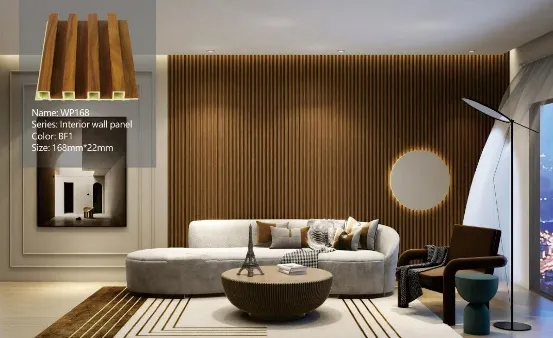
What sets Coloria apart in the crowded landscape of building material suppliers? It starts with a promise: every WPC panel that leaves our factories isn't just a product—it's a commitment to the planet. As a green building materials manufacturer, we've invested years refining a production process that turns sustainability from a buzzword into a tangible reality. Our state-of-the-art facilities in China operate on solar-powered lines, with water recycling systems that reduce consumption by 60% compared to conventional factories. Even our packaging is 100% biodegradable, because we believe sustainability shouldn't stop at the product itself.
Certifications tell part of the story. Our WPC panels carry the CE mark, ISO 14001 environmental management certification, and are third-party verified to meet LEED v4.1 requirements for recycled content and low-emitting materials. But numbers alone don't capture the pride our team takes in every batch. Visit our production floor, and you'll meet engineers who've spent decades perfecting formulations to reduce plastic waste, and quality control experts who reject panels that don't meet our strict eco-standards. This isn't just manufacturing—it's craftsmanship with a conscience.
Our dedication to sustainability aligns seamlessly with global trends, including China's "dual carbon" goals and the growing demand for green building materials worldwide. For developers eyeing LEED certification, this alignment is critical. LEED isn't just a badge; it's a signal to tenants, investors, and communities that a project prioritizes health and environmental responsibility. Coloria's WPC panels don't just help projects meet these standards—they elevate them. By contributing to credits like MR Credit 4 (Recycled Content) and EQ Credit 1 (Indoor Air Quality), our panels turn sustainability into a competitive advantage.
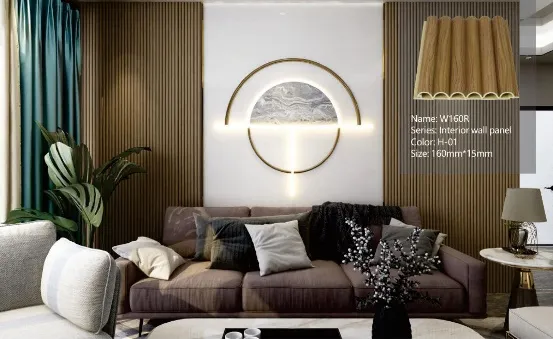
Sustainable construction isn't just about choosing the right wall panels—it's about creating harmony across every material in a project. That's where Coloria's one-stop architectural solution provider model shines. Imagine you're an architect designing a LEED Gold office complex in Riyadh. You need solar panels for the roof, fire-resistant cladding for the facade, energy-efficient lighting, and custom furniture that matches your WPC walls. Coordinating with 10 different suppliers would drain your time, risk delays, and create inconsistencies in sustainability standards. With Coloria, it's different.
Our 14 product lines cover everything from foundation to finishing touches: solar panels that feed clean energy into the grid, Class A fireproof CPL inorganic boards for hospitals and schools, and even custom furniture crafted from the same recycled materials as our panels. This integration isn't just convenient—it's strategic. When all materials come from a single partner committed to sustainability, you avoid the hidden environmental costs of fragmented supply chains. No more worrying if your flooring supplier cuts corners on eco-standards, or if your lighting manufacturer uses non-recyclable packaging. With Coloria, every product carries the same green promise.
This approach has made us a trusted partner in the Middle East, where we've operated for over 30 years. Our Riyadh office isn't just a sales hub—it's a bridge between global sustainability practices and local needs. We understand the unique challenges of building in Saudi Arabia: extreme heat that tests material durability, strict local content requirements under Saudi Vision 2030, and a growing focus on creating jobs for Saudi nationals. That's why we've invested in local talent development, training Saudi engineers in green construction practices, and sourcing materials regionally whenever possible. It's not just about supplying products; it's about building a sustainable future, together.
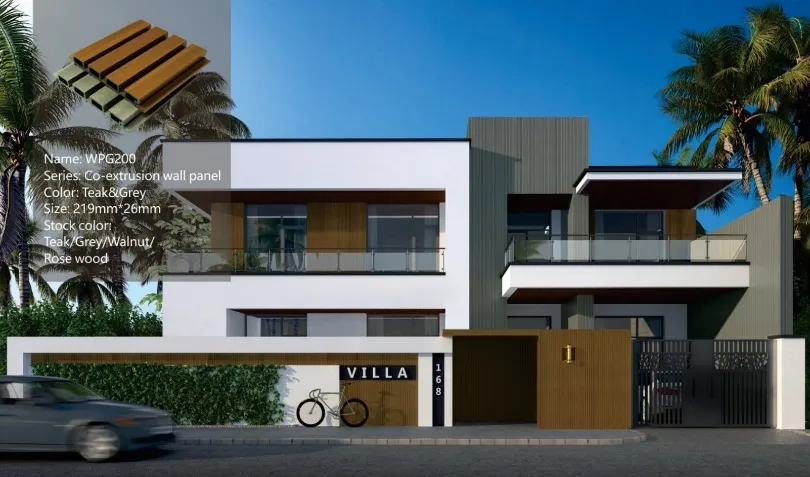
Saudi Arabia's 2030 Vision isn't just a government initiative—it's a blueprint for a more sustainable, diversified economy. At Coloria, we're proud to play a role in this transformation. Our Riyadh-based team works closely with local developers, contractors, and government bodies to deliver projects that align with the vision's pillars: creating local jobs, driving sustainable growth, and positioning Saudi Arabia as a leader in green construction.
Take, for example, a recent residential development in Jeddah aiming for LEED Silver certification. The project required 5,000 sqm of wall panels, energy-efficient lighting, and custom kitchen cabinets—all with a focus on local content. By leveraging our local warehouse in Dammam, we reduced delivery times by 40% and supported Saudi logistics partners. Our WPC panels, made with recycled plastic collected from Saudi municipalities, helped the project meet Vision 2030's waste reduction targets. And because we train Saudi technicians to install our products, the project created 15 local jobs. This is the power of a partner who understands both global sustainability and local context.
Our commitment to Saudi Arabia goes beyond individual projects. We're active members of the Saudi Green Building Forum, contribute to industry workshops on sustainable construction, and sponsor scholarships for Saudi students pursuing degrees in environmental engineering. For us, supporting Saudi 2030 Vision isn't just a business goal—it's a shared responsibility to build a future where economic growth and environmental stewardship go hand in hand.
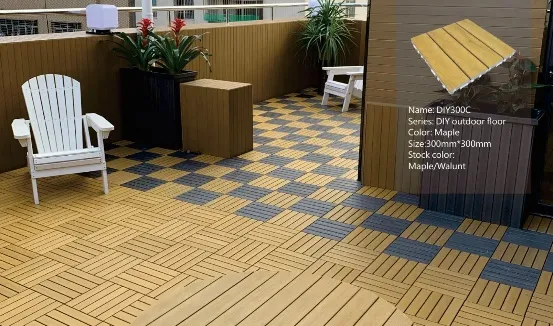
At Coloria, we believe the best sustainability stories are written together. That's why we don't just sell materials—we partner with clients to turn their green visions into reality. Whether you're a small-scale residential developer or a multinational construction firm, our team starts by listening: What are your sustainability goals? What LEED credits are you targeting? What local regulations or cultural considerations matter most? From there, we craft a tailored solution that balances performance, cost, and planet.
Consider a hotel chain expanding into the UAE. Their goal: LEED Platinum certification for a 200-room property, with a focus on water conservation and indoor air quality. Our team proposed WPC wall panels for guest rooms (reducing VOCs), water-efficient bathroom fixtures from our sanitary line, and LED lighting with smart controls. We even recommended solar panels from our sustainable product line to offset energy use. By integrating these elements, the hotel not only achieved LEED Platinum but also reduced operational costs by 25% annually. This isn't just a success story—it's proof that sustainability and profitability can coexist.
Our global service network ensures this partnership doesn't end at delivery. With offices in Europe, Asia, and the Middle East, we provide on-site technical support, maintenance training, and even help clients document their sustainability achievements for certifications. For developers working across borders, this consistency is invaluable. Whether you're building in Riyadh, Dubai, or London, you'll receive the same level of expertise and commitment to sustainability.
The future of construction is green—and it's arriving faster than we think. By 2030, the global green building materials market is projected to reach $364 billion, driven by stricter regulations and growing consumer demand for sustainable spaces. Coloria is already ahead of the curve, investing in R&D to develop next-generation materials: WPC panels with even higher recycled content, self-cleaning surfaces that reduce maintenance, and panels embedded with sensors to monitor indoor air quality.
Our vision aligns with the United Nations Sustainable Development Goals, particularly SDG 11 (Sustainable Cities and Communities) and SDG 12 (Responsible Consumption and Production). We're committed to reducing our carbon footprint by 50% by 2030 and achieving carbon neutrality by 2040. This means investing in renewable energy for our factories, optimizing logistics to reduce emissions, and working with suppliers who share our eco-values.
For you—architects, developers, builders—this future isn't just exciting; it's an opportunity. Every project you undertake is a chance to shape a more sustainable world. With Coloria as your partner, you're not just building structures—you're building legacies. Legacies of buildings that inspire, communities that thrive, and a planet that endures.
Sustainability isn't a trend for Coloria—it's our purpose. From our eco-certified WPC wall panels to our comprehensive one-stop solutions, we're here to make green construction accessible, reliable, and rewarding. Whether you're working on a LEED-certified skyscraper in Riyadh or a sustainable residential complex in Dubai, we invite you to experience the difference of partnering with a supplier who shares your values.
Together, we can turn buildings into beacons of sustainability. Because the best walls aren't just barriers—they're bridges to a better future.
Recommend Products











