

In a world where every choice we make echoes through the planet's ecosystems, the buildings we live and work in are no longer just structures—they're statements of responsibility. Today's architects, contractors, and homeowners aren't just looking for materials that look good or last long; they're seeking solutions that align with a bigger goal: sustainability. From the walls that shelter us to the cladding that defines a building's character, green building materials have moved from "nice-to-have" to "non-negotiable." And in this shift, one material has emerged as a standout player: MCM flexible cladding stone wall panels. More than just a pretty facade, these panels are redefining what it means to build green—without compromising on style, durability, or functionality.
But what makes MCM panels different? Why are they becoming the go-to choice for projects aiming to meet global green standards? And how do they stack up against other eco-friendly options like bamboo charcoal boards or fireproof inorganic panels? Let's dive in and explore how these innovative cladding solutions are not just building better walls, but building a better future.
Walk through any modern city, and you'll notice a subtle shift in the skyline. Glassy skyscrapers are still there, but many now wear facades that feel more connected to nature—warm stone textures, earthy tones, and designs that seem to breathe. This isn't just a design trend; it's a response to a global call for sustainability. Buildings account for nearly 40% of global energy consumption and 30% of greenhouse gas emissions, according to the United Nations Environment Programme. That's a staggering number, and it's driving a revolution in how we build.
Cladding, the outer layer of a building, plays a surprisingly big role in this revolution. It's not just about curb appeal; it's a building's first line of defense against the elements, a key factor in energy efficiency, and a major contributor to a structure's overall environmental footprint. Heavy, resource-intensive cladding materials like traditional stone or concrete can weigh down a building (literally and figuratively), increasing transportation costs, installation time, and long-term maintenance needs. On the flip side, cheap, non-sustainable options might save money upfront but often fail to meet safety standards or end up in landfills after a few years.
This is where eco-certified materials step in. Today's green cladding solutions are engineered to tick multiple boxes: low environmental impact, high performance, and compliance with rigorous global standards. And at the forefront of this movement are suppliers who don't just sell materials—they provide end-to-end solutions. Take, for example, a leading mcm flexible cladding stone wall panel supplier: their role isn't just to deliver panels, but to partner with clients to ensure those panels meet local green building codes, reduce a project's carbon footprint, and stand the test of time. In short, they're not just suppliers—they're sustainability allies.
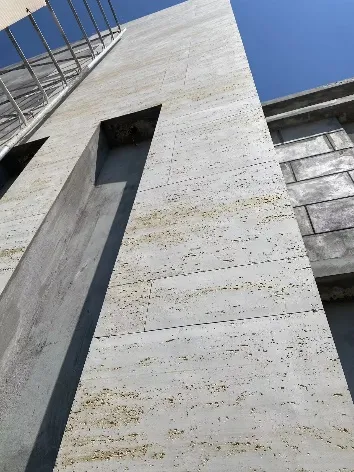
Let's start with the basics: MCM stands for "Modified Composite Material," a term that might sound technical, but the concept is refreshingly simple. Imagine taking the natural beauty of stone—think the warmth of granite, the elegance of marble, or the rugged charm of slate—and infusing it with the flexibility of a more modern material. That's MCM in a nutshell: a lightweight, durable cladding option that mimics the look and feel of natural stone but with a host of added benefits.
At their core, MCM panels are made by bonding a thin layer of natural stone (or a high-quality stone-like composite) to a flexible backing, often made from recycled materials like fiberglass or aluminum. This combination creates a panel that's surprisingly lightweight—up to 70% lighter than solid stone—yet incredibly strong. But the real "flex" (pun intended) is in their adaptability. Unlike rigid stone slabs, MCM panels can bend and curve, making them perfect for buildings with unique architectural features: rounded corners, curved facades, or even artistic, wave-like designs. This flexibility isn't just about aesthetics; it also makes installation faster and easier, reducing labor costs and construction time.
But what truly sets MCM panels apart is their commitment to sustainability. From the manufacturing process to their end-of-life impact, these panels are designed with the planet in mind. Many leading mcm flexible cladding stone wall panel solutions use recycled content in their backing materials, and their production facilities often run on renewable energy. Plus, because they're lightweight, transporting MCM panels requires less fuel than hauling heavy stone slabs, cutting down on carbon emissions during shipping. It's a win-win: a material that looks like natural stone but leaves a fraction of the environmental footprint.
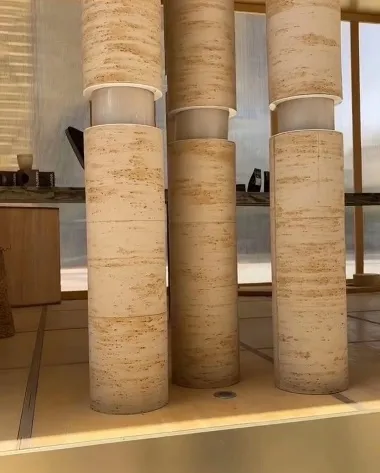
Sustainability claims are everywhere these days, but how do you separate greenwashing from the real deal? That's where eco-certifications come in. For MCM flexible cladding stone wall panels, these certifications aren't just badges—they're rigorous proof that the product meets global standards for environmental responsibility, health, and safety. Let's break down the ones that matter most.
Indoor air quality is a silent but critical factor in building health, especially in spaces like homes, schools, and hospitals where people spend hours each day. GREENGUARD certification, issued by UL Environment, ensures that building materials emit low levels of volatile organic compounds (VOCs)—harmful chemicals that can off-gas from materials and cause headaches, allergies, or long-term health issues. Top mcm flexible cladding stone wall panel suppliers prioritize GREENGUARD certification, meaning their panels are safe to use in even the most sensitive environments, from nursery schools to senior living facilities.
LEED (Leadership in Energy and Environmental Design), developed by the U.S. Green Building Council, is the most widely recognized green building rating system in the world. To earn LEED points, buildings must meet strict criteria in areas like energy efficiency, water conservation, and sustainable materials. MCM panels check multiple LEED boxes: their recycled content contributes to "Materials and Resources" credits, their lightweight design reduces transportation emissions (a "Location and Transportation" plus), and their durability means less frequent replacement, lowering long-term waste. For contractors and developers aiming for LEED certification, choosing MCM panels is a strategic move to rack up those crucial points.
ISO 14001 isn't just about the product—it's about the process. This international standard sets requirements for environmental management systems (EMS), ensuring that a supplier's entire operation—from raw material sourcing to waste disposal—is designed to minimize environmental impact. When a mcm flexible cladding stone wall panel supplier holds ISO 14001 certification, it means they're not just making sustainable panels; they're running a sustainable business. Think: reducing water usage in manufacturing, recycling production waste, and continuously improving their environmental performance. It's a holistic approach to green building that goes beyond the product itself.
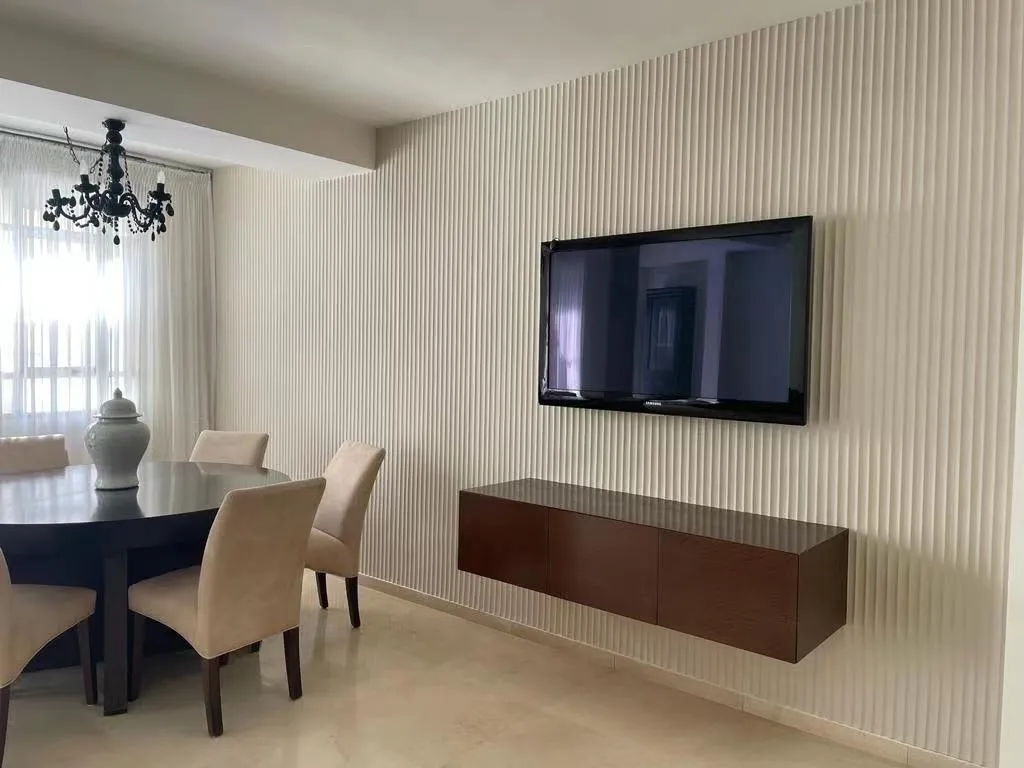
Let's be honest: sustainability is important, but no one wants to sacrifice performance for the planet. The good news? MCM flexible cladding stone wall panels deliver on both fronts. They're not just eco-friendly—they're also some of the most practical cladding options on the market. Here's why:
Stone is known for lasting centuries, and MCM panels aim to do the same—without the weight or fragility. Thanks to their composite design, these panels are resistant to the elements: UV rays won't fade their color, rain and snow won't cause water damage, and even extreme temperatures (from the scorching heat of Saudi Arabia to the freezing winters of Northern Europe) won't crack or warp them. In fact, many MCM panels come with warranties of 20 years or more, a testament to their long-term durability. For homeowners and building owners, that means less money spent on repairs and replacements down the line.
Natural stone is beautiful, but it requires regular sealing and cleaning to keep it looking its best. MCM panels? Not so much. Their non-porous surface resists dirt, mold, and mildew, so a simple rinse with water (or a quick wipe with a mild detergent for stubborn spots) is usually all it takes to keep them shining. No expensive sealants, no specialized cleaning crews—just a material that looks great with minimal effort. This low-maintenance factor is a big hit in commercial settings like retail stores or office buildings, where time is money and downtime for maintenance is a hassle.
One of the biggest complaints about sustainable materials is that they limit design options. MCM panels shatter that myth. With advancements in printing and texture technology, these panels can mimic just about any stone you can imagine: from the smooth, polished look of marble to the rough, textured surface of travertine. They're also available in a rainbow of colors, from classic neutrals like beige and gray to bold hues like deep blue or terracotta. And because they're flexible, they can be cut into custom shapes, allowing architects to get creative without worrying about material limitations. Whether you're designing a modern, minimalist home or a historic-inspired commercial building, MCM panels can adapt to fit the vision.

MCM panels are stars in their own right, but how do they compare to other sustainable cladding materials on the market? Let's take a closer look at three popular alternatives: bamboo charcoal board wall panels, class A fireproof CPL inorganic boards, and porcelain slab tiles. We'll break down their strengths, weaknesses, and how they measure up to MCM in terms of sustainability, performance, and application.
| Feature | MCM Flexible Cladding Stone Wall Panels | Bamboo Charcoal Board Wall Panels | Class A Fireproof CPL Inorganic Boards | Porcelain Slab Tiles for Walls |
|---|---|---|---|---|
| Eco-Friendliness | High: Recycled backing materials, low VOC emissions, GREENGUARD/LEED certified | Very High: Made from sustainable bamboo, natural charcoal for air purification | Medium-High: Inorganic, non-toxic, but production may use more energy | Medium: Durable but heavy; transportation emissions higher than MCM |
| Fire Resistance | Good: Many options meet Class B or C fire ratings | Fair: Requires fire-retardant treatments for high-risk areas | Excellent: Class A fireproof (ideal for hospitals, schools) | Good: Fire-resistant but can crack under extreme heat |
| Flexibility | Excellent: Bends to curves and unique architectural features | Low: Rigid, best for flat surfaces | Low: Rigid, designed for straight walls | Low: Heavy and brittle, limited to flat or slightly curved surfaces |
| Best For | Residential/commercial facades, curved designs, energy-efficient buildings | Indoor walls, homes, spaces needing air purification (bedrooms, offices) | Hospitals, schools, high-rise buildings (fire safety critical) | Indoor/outdoor walls, high-traffic areas (malls, airports) |
| Supplier Example | MCM flexible cladding stone wall panel supplier | Bamboo charcoal board wall panel supplier | Class A fireproof CPL inorganic board for hospital and school supplier | Porcelain slab tile for wall supplier |
As the table shows, each material has its niche. Bamboo charcoal boards excel in indoor air purification, making them great for homes or offices. Class A fireproof CPL inorganic boards are non-negotiable for high-safety spaces like hospitals and schools (hence why class a fireproof cpl inorganic board for hospital and school suppliers are in high demand). Porcelain slabs are durable for high-traffic areas. But MCM panels stand out as the most versatile option—equally at home on a residential facade, a commercial building, or a creative architectural project—all while keeping sustainability front and center.
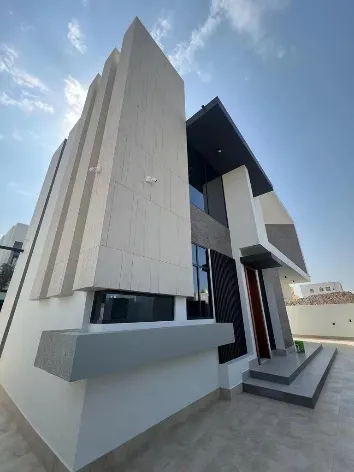
Talk is cheap; let's look at how MCM flexible cladding stone wall panels are making a difference in real buildings, across different industries. From cozy homes to bustling hospitals, these panels are proving that sustainability and functionality can go hand in hand.
For homeowners, the facade is more than just the "face" of the house—it's a reflection of personal style. MCM panels offer the best of both worlds: the timeless appeal of stone and the modern flexibility to match any design aesthetic. Take, for example, a family in a suburban neighborhood who wanted a stone facade but worried about the cost and weight of traditional stone. By choosing MCM panels, they got the rugged, cottage-like look they loved, but with a lighter material that their home's structure could easily support. Plus, the panels' insulation properties helped reduce their heating and cooling bills by 15%—a nice bonus for both their wallet and the planet.
Another example: a coastal home in a hurricane-prone area. Traditional stone cladding can be dangerous in high winds, as loose slabs can become projectiles. MCM panels, however, are securely fastened and lightweight, making them far more wind-resistant. The homeowner got the beachy, stone-inspired look they wanted, with the peace of mind that their home's facade could withstand the elements.
Commercial buildings—offices, retail stores, hotels—need facades that attract attention and reinforce their brand identity. MCM panels are perfect for this, offering endless design possibilities while aligning with corporate sustainability goals. A boutique hotel in a trendy urban area, for instance, used MCM panels in a bold, geometric pattern to stand out from neighboring buildings. The panels mimicked the look of expensive travertine but at a fraction of the cost, and the hotel's LEED certification (boosted by the panels' recycled content) became a key marketing point for eco-conscious travelers.
Even large-scale projects benefit. A tech company's new headquarters, designed to be a "green campus," used MCM panels on its curved main building. The panels' flexibility allowed the architects to create a flowing, organic design that symbolized innovation, while their lightweight nature reduced the building's overall carbon footprint during construction.
Hospitals and schools have unique needs: safety, durability, and a healthy environment for patients, students, and staff. While class A fireproof CPL inorganic boards (a top choice for these settings) excel in fire safety, MCM panels are increasingly being used alongside them to add warmth and style. For example, a children's hospital in Europe combined CPL inorganic boards (for fire-resistant walls in patient rooms) with MCM panels on its exterior facade. The MCM panels were printed to look like colorful, storybook stone, creating a welcoming atmosphere for young patients, while still meeting strict safety standards.
Schools, too, are embracing MCM. A new elementary school in Canada wanted a facade that felt connected to nature but could withstand harsh winters. MCM panels mimicking local granite were the perfect solution—durable enough to handle snow and ice, and sustainable enough to help the school earn a green building certification. Plus, the panels' low maintenance meant the school could focus its budget on educational resources instead of facade upkeep.
Sustainability isn't a one-size-fits-all concept; standards vary from country to country, and a material that meets green criteria in one region might fall short in another. For MCM flexible cladding stone wall panel suppliers, this means adapting their solutions to comply with a patchwork of global regulations—and they're rising to the challenge.
Take Saudi Arabia, for example. As the country invests heavily in sustainable urban development (think NEOM, the futuristic city project), building codes are becoming stricter. A saudi arabia building materials supplier offering MCM panels must ensure their products meet local standards for heat resistance (temperatures in Riyadh can exceed 120°F) and durability in sandy, windy conditions. To comply, many suppliers treat MCM panels with special UV-resistant coatings and test them rigorously in desert-like environments. The result? Panels that not only look great but can stand up to Saudi Arabia's harsh climate while still being eco-friendly.
In Europe, the focus is often on energy efficiency and circular economy principles. The EU's CE marking, for instance, requires products to meet strict health, safety, and environmental requirements. MCM panel suppliers targeting European markets often emphasize their panels' thermal insulation properties (which reduce heating and cooling costs) and their recyclability (many panels can be disassembled and recycled at the end of their life). In Germany, where the "Energieeinsparverordnung" (Energy Saving Ordinance) sets tough efficiency standards, MCM panels are valued for their ability to contribute to a building's overall energy performance.
Even in regions with emerging green building sectors, MCM suppliers are leading the way. By offering mcm flexible cladding stone wall panel solutions tailored to local standards—whether it's Australia's Green Star rating, India's GRIHA certification, or the U.S. Green Building Council's LEED—suppliers are making it easier for projects of all sizes to go green. It's a global effort, and MCM panels are proving to be a versatile, compliant choice wherever they're used.
At this point, you might be thinking, "MCM panels sound great—how do I get started?" The answer lies in choosing the right supplier. A reliable mcm flexible cladding stone wall panel supplier isn't just a vendor; they're a partner in your project's success, ensuring that the panels you get are high-quality, sustainably made, and tailored to your needs.
So, what should you look for? First, certifications. Any supplier worth their salt should be able to provide proof of eco-certifications like GREENGUARD, LEED compliance, or ISO 14001. Don't be afraid to ask for documentation—transparency is key. Second, experience. A supplier with a track record of working on projects similar to yours (residential, commercial, institutional) will understand your unique challenges and can offer valuable insights. Third, customization options. Every project is different, and a good supplier should be able to adapt their panels to your design specs—whether that's a custom color, texture, or size.
Finally, look for a supplier who offers more than just panels. The best mcm flexible cladding stone wall panel solutions include support from start to finish: helping you select the right product, providing technical guidance during installation, and even offering post-installation maintenance tips. After all, sustainability is a journey, not a one-time purchase—and your supplier should be with you every step of the way.
As the world continues to prioritize sustainability, the demand for eco-friendly building materials will only grow. And in this landscape, MCM flexible cladding stone wall panels are poised to lead the way. They check every box: sustainable, durable, versatile, and beautiful. They're not just a trend; they're a glimpse into the future of building—one where we don't have to choose between the planet and great design.
Imagine a world where every new building's facade tells a story of responsibility: where the stone-like panels you admire are made from recycled materials, installed with minimal waste, and designed to last for decades. That world isn't far off, and it's being built—one MCM panel at a time. So whether you're a homeowner dreaming of a greener home, an architect designing the next iconic building, or a contractor looking to stay ahead of the curve, consider MCM flexible cladding stone wall panels. They're more than just a material—they're a step toward a more sustainable, beautiful world.
Recommend Products











