
Let's be real—nobody wakes up excited about scrubbing bathroom surfaces. We've all been there: standing in front of a foggy mirror trying to shave or apply makeup, staring at water spots on the faucet that just won't budge, or spending 10 minutes scraping soap scum off the shower door before guests arrive. The bathroom, for all its importance in our daily routines, can feel like a never-ending battle against grime. But what if the surfaces themselves could do some of the work for us? That's where easy-to-clean technology steps in, and it's quietly revolutionizing how we maintain one of the busiest rooms in the house. Today, we're diving into how this technology is applied to the bathroom accessories we use every day, making "cleaning the bathroom" feel less like a chore and more like a quick wipe-down.
Think about how many times you touch your bathroom faucet or shower handle in a day—brushing teeth, washing hands, taking a shower. Each use leaves behind water droplets, soap residue, and sometimes even toothpaste splatters. Over time, these tiny messes build up into stubborn water spots (thanks to minerals in tap water) or sticky film that requires serious scrubbing. But the latest taps and shower sets are fighting back, and much of the credit goes to the innovations from those focused on creating user-friendly products.
One of the most game-changing technologies here is nano-ceramic coating. Imagine a super thin, invisible layer—thinner than a human hair—applied to the surface of your faucet. This layer is hydrophobic (water-repelling) and oleophobic (oil-repelling), which means when water hits it, it beads up and rolls off like a marble on a slide, taking most of the dirt and soap with it. No more standing there with a cloth, rubbing in circles to get rid of spots; a quick wipe with a dry microfiber cloth, and it's sparkling again. I tested this once with a friend's new shower set—after her morning shower, she just ran her hand over the faucet, and the water droplets scattered like they were afraid to stick. "I used to spend 5 minutes every week scrubbing this thing with vinegar," she said. "Now? It takes 10 seconds."
But it's not just about coatings. Many modern taps and shower heads also feature smart design choices to reduce cleaning headaches. Take the "floating" spout design, where the faucet curves away from the sink basin, leaving fewer nooks for water to pool. Or shower heads with rubber nozzles that you can gently rub to dislodge any mineral buildup—no need for harsh descaling chemicals. These small tweaks, combined with advanced surface treatments, turn what used to be a high-maintenance fixture into one that practically cleans itself.
The toilet is probably the last place anyone wants to spend extra time cleaning, but it's also one of the most critical for hygiene. Traditional toilets have crevices around the rim, under the seat hinges, and inside the bowl that seem designed to trap dirt and bacteria. Enter the smart toilet—a fixture that's not just about heated seats or bidet functions, but also about making cleaning a breeze. Those specializing in these innovative fixtures have really leaned into easy-to-clean tech, and the results are impressive.
Let's start with the bowl itself. Many smart toilets now use a special glaze called "antibacterial ceramic glaze," which is fired at extremely high temperatures to create an ultra-smooth, non-porous surface. Porous surfaces are like tiny caves where bacteria and stains can hide, but this glaze is so smooth that waste and water slide right off, leaving little residue behind. Some brands even add silver ions to the glaze, which have natural antibacterial properties—so not only is it easier to clean, but it's also actively fighting germs between cleanings.
Then there's the design. Smart toilets often feature a "rimless" bowl, meaning there's no traditional rim where water and waste flow out. Instead, water is sprayed from hidden jets around the top, covering the entire bowl evenly and eliminating the rim's hard-to-reach underside. The seat and lid are also designed with minimal gaps—hinges that are sealed or covered, so you don't have to dig a toothbrush into crevices to remove dust or grime. And let's not forget the self-cleaning functions: some models have a pre-mist feature that sprays the bowl with water before use, preventing waste from sticking, and a post-flush rinse that gives the bowl a final clean. It's like having a tiny cleaning crew built into your toilet.
Real-Life Win: A friend of mine recently upgraded to a smart toilet, and she swears by it. "Before, I'd have to scrub the bowl with a brush at least twice a week, and the area under the seat was always gross," she told me. "Now? I wipe the seat with a disinfectant wipe once a week, and the bowl still looks clean. The glaze really works—even after a week, there's no ring around the water line. It's saved me so much time and, honestly, stress."
Shower doors might just be the most frustrating bathroom surface to clean. You step out of a relaxing shower, and suddenly the glass is covered in a filmy mix of soap, shampoo, and hard water. By the end of the week, it's so cloudy you can barely see through it, and scrubbing it with a sponge and cleaner feels like a workout. But the latest shower enclosures are changing this narrative, thanks to advancements from those focused on creating durable, easy-to-maintain products.
The star here is "easy-clean glass," which is treated with a special coating—often based on titanium dioxide or silica—that creates a hydrophilic (water-attracting) or hydrophobic (water-repelling) surface. Hydrophilic coatings work by spreading water out into a thin, even sheet, so when the water dries, it doesn't leave behind spots—instead, it evaporates evenly, leaving the glass clear. Hydrophobic coatings, on the other hand, make water bead up and roll off, taking soap scum and dirt with them. Both types mean that after your shower, a quick squeegee (or even just letting the water run down) is enough to keep the glass looking clear for weeks.
But coating alone isn't enough—design matters too. Modern shower enclosures often use "frameless" or "semi-frameless" designs, reducing the amount of metal hardware that can trap water and soap. When there is metal, it's usually treated with a rust-resistant finish, so you don't get those unsightly orange spots around the edges. The tracks at the bottom (where the door slides) are also being reimagined: some are sloped to drain water away, while others have removable inserts that you can take out and rinse under the tap. No more fishing hair and gunk out of a narrow track with a toothpick!
I installed an easy-clean shower enclosure in my own bathroom last year, and I'll never go back. After showers, I just take a microfiber cloth and wipe the glass in one pass—no scrubbing, no chemicals. Even after a month, there's no soap scum buildup. It's the little things, right? Not dreading shower door cleaning has made my morning routine just a little bit brighter.
We often overlook the smaller bathroom accessories—towel bars, soap dishes, toothbrush holders, shower caddies—but these are the unsung heroes (or villains) of bathroom cleanliness. A soap dish that traps water turns your bar soap into a mushy mess and grows mold. A toothbrush holder with tiny drainage holes that get clogged becomes a breeding ground for bacteria. But the good news is, those specializing in these everyday items are now prioritizing easy-to-clean design, making even the smallest parts of your bathroom easier to maintain.
Take soap dishes, for example. The best ones now have a sloped, perforated surface—so water drains right through into a removable tray below, which you can empty and wipe out in seconds. No more soggy soap, no more moldy residue under the dish. Toothbrush holders are following suit: open designs with large drainage holes, or even wall-mounted holders that keep toothbrushes off the counter entirely, reducing contact with wet surfaces.
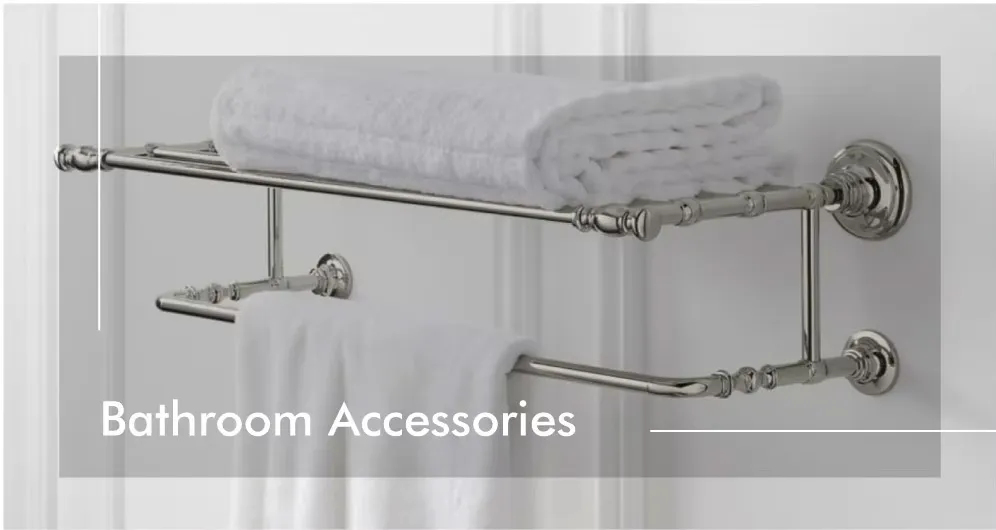
Towel bars and hooks are getting an upgrade too. Traditional towel bars with closed ends can trap dust and lint, but modern ones often have open ends, so you can slide a cloth through to clean them easily. Materials matter here too—brushed nickel or stainless steel resists fingerprints and water spots better than chrome, and matte finishes hide smudges, so they look clean longer. Even shower caddies are evolving: rust-resistant aluminum frames, removable mesh baskets that you can toss in the dishwasher, and hooks that adjust without requiring tools, so you can take them apart for a deep clean when needed.
These might seem like minor details, but they add up. When every accessory in your bathroom is designed to resist dirt and be easy to wipe down, the whole space feels cleaner, and you spend less time chasing grime in tiny corners. It's the difference between dreading bathroom cleaning and thinking, "That was quick—I'm done!"
Behind all these easy-to-clean bathroom accessories are the suppliers who research, design, and manufacture them. It's not just about slapping a "easy clean" label on a product—these companies are investing in materials science, user testing, and innovative design to truly solve real-world cleaning problems. For example, a supplier might partner with a university lab to develop a new nano-coating, then test it in real homes for months to see how it holds up to daily use. Or they might survey hundreds of homeowners to find out which parts of their bathroom accessories are hardest to clean, then redesign those parts from scratch.
One of the key things suppliers focus on is durability. A coating that works great for a month but wears off after repeated cleaning is useless. So they test their products with everything from harsh cleaners to abrasive sponges to ensure the easy-clean properties last for years, not just weeks. They're also thinking about sustainability—many easy-to-clean technologies reduce the need for chemical cleaners, which is better for both your health and the environment. A shower door that only needs water and a cloth to clean means fewer bottles of bleach under your sink, and that's a win for everyone.
| Bathroom Accessory | Key Easy-Clean Technology | Main Benefit for Users |
|---|---|---|
| Taps/Shower Sets | Nano-ceramic coating, smooth surface finishes | Water and dirt repel easily; minimal scrubbing needed |
| Smart Toilets | Antibacterial glaze, rimless design, self-cleaning jets | Reduced bacteria growth; bowl stays cleaner longer |
| Shower Enclosures | Hydrophobic/hydrophilic glass coatings, frameless design | Soap scum and water spots wipe away quickly |
| Bathroom Accessories (Soap Dishes, Holders) | Perforated/drainage designs, rust-resistant materials | Prevents mold and mildew; easy to wipe clean |
At the end of the day, easy-to-clean bathroom accessories aren't just about saving time (though that's a huge perk). They're about making our daily lives less stressful. A bathroom that's easy to clean is a bathroom that feels more welcoming, more hygienic, and less like a chore. It means more time spent on the things we actually enjoy—whether that's reading a book, spending time with family, or just relaxing—instead of scrubbing grout lines.
It also has a subtle but powerful impact on our mental health. A cluttered, dirty bathroom can make us feel overwhelmed, but a clean, fresh space? It sets a positive tone for the day. When you walk into a bathroom that looks and feels clean with minimal effort, it's a small win that boosts your mood. And let's not forget hygiene—easier cleaning means we're more likely to actually do it, which leads to a healthier home for everyone.
So the next time you're updating your bathroom, take a closer look at the surfaces and designs of the accessories you choose. The right easy-to-clean technology can turn a room you dread cleaning into one that practically maintains itself. After all, your bathroom should be a place of relaxation and refreshment—not a battlefield against grime. And with the innovations coming from today's suppliers, that dream is easier to achieve than ever.
Recommend Products












