
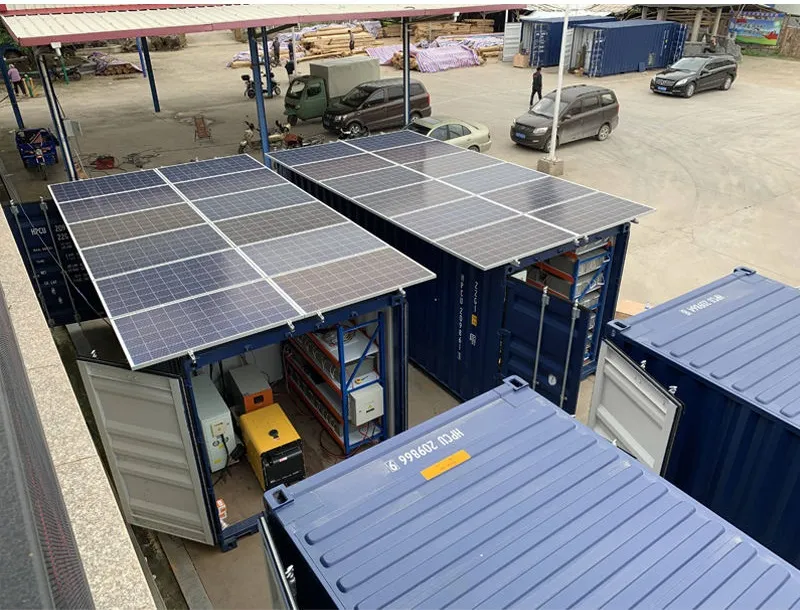
In the heart of the Middle East, where the sun blazes brightly for over 300 days a year, Saudi Arabia's businesses are at a crossroads. As the kingdom marches toward its ambitious Vision 2030 —a blueprint for diversifying the economy and embracing sustainability—one challenge looms large: energy costs. For manufacturers, logistics hubs, and commercial facilities across Riyadh, Jeddah, and Dammam, skyrocketing electricity bills aren't just a quarterly expense; they're a barrier to growth. But what if there was a solution that turns the region's most abundant resource—sunlight—into a competitive advantage? Enter industrial solar panels: not just a green choice, but a smart financial investment. And for businesses seeking reliability, local expertise, and a seamless experience, partnering with a trusted saudi arabia building materials supplier that understands both the market and the technology is the first step toward long-term success.
Let's start with the numbers. Saudi Arabia averages 5.5 to 6.5 kWh of solar irradiance per square meter daily—among the highest in the world. That's free, clean energy waiting to be harnessed. Meanwhile, grid electricity prices for industrial users have risen by 12% annually since 2020, driven by global energy market volatility. For a mid-sized factory consuming 500,000 kWh monthly, that's an extra $60,000+ in annual costs. Then there's the pressure to align with Vision 2030 's sustainability goals, which include generating 50% of energy from renewables by 2030. Businesses that fail to adapt risk missing out on government contracts, tax incentives, and the growing consumer preference for eco-conscious partners.
But solar isn't just about cost-cutting or compliance. It's about control. With a durable industrial solar system, businesses lock in energy costs for 25+ years, shielding themselves from future price hikes. And when paired with energy storage solutions, they gain resilience against grid outages—a critical advantage in a region where summer heatwaves can strain infrastructure. For forward-thinking leaders, solar panels are no longer optional; they're a cornerstone of strategic planning.
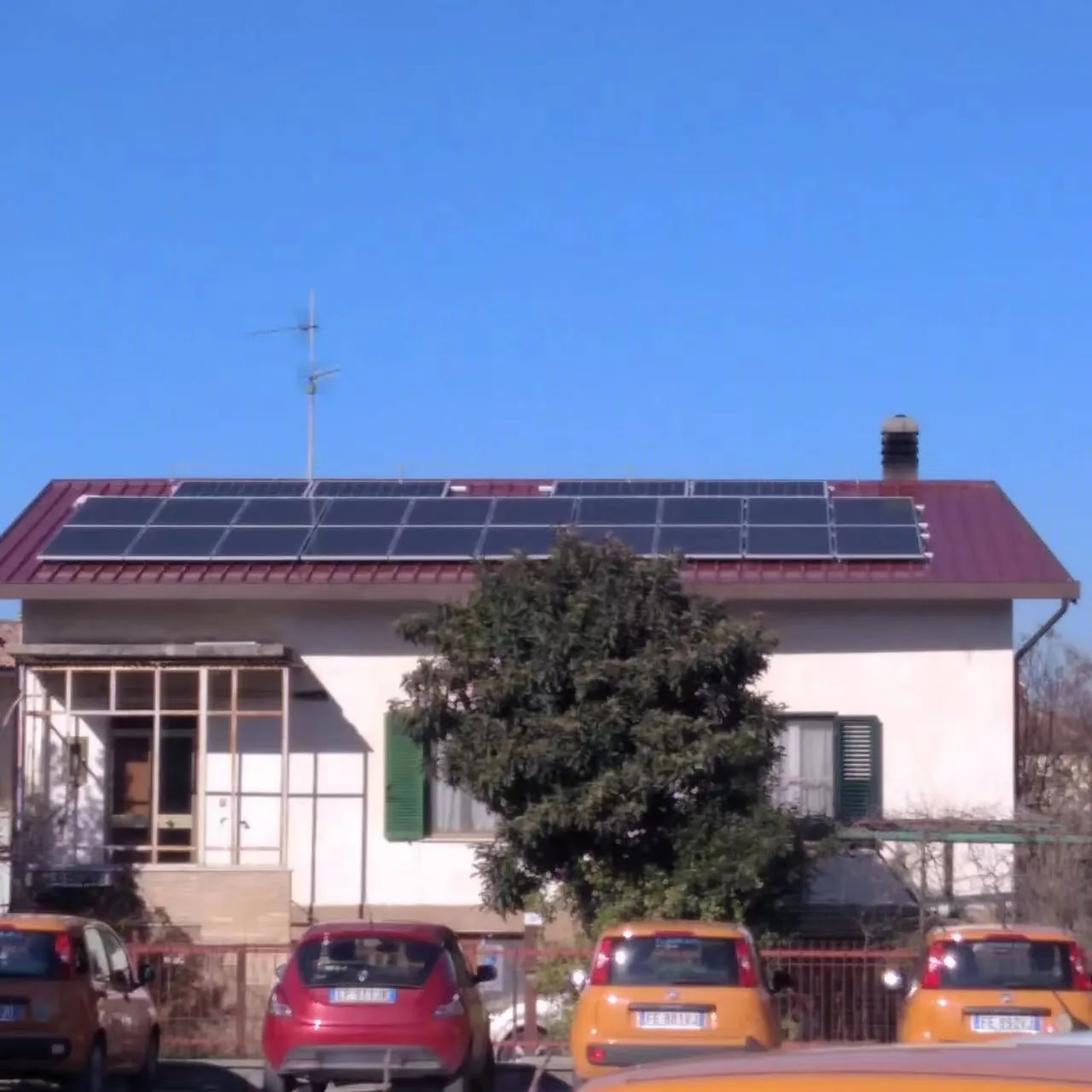
Not all solar panels are created equal. For industrial applications—where rooftops are large, conditions are harsh (think extreme heat, sandstorms, and humidity), and reliability is non-negotiable—quality matters. That's why leading green building materials providers prioritize durability, efficiency, and long-term performance. Let's break down the key features that set industrial-grade solar panels apart:
Standard panels lose efficiency as temperatures rise above 25°C. Industrial models, however, are engineered with advanced materials (like anti-reflective glass and heat-resistant backsheets) to maintain output even when ambient temperatures hit 50°C—common in Saudi summers.
Saudi Arabia's desert climate means panels face constant abrasion from sand particles. Durable models feature reinforced frames and sealed edges to prevent dust buildup and corrosion, reducing maintenance needs.
Top-tier industrial panels come with 25-year performance warranties, guaranteeing at least 80% efficiency after two decades. This isn't just a promise—it's a testament to the quality of materials and engineering.
Whether you need to power a small warehouse or a sprawling manufacturing complex, industrial systems are designed to scale. Add more panels as your energy needs grow, without overhauling the existing setup.
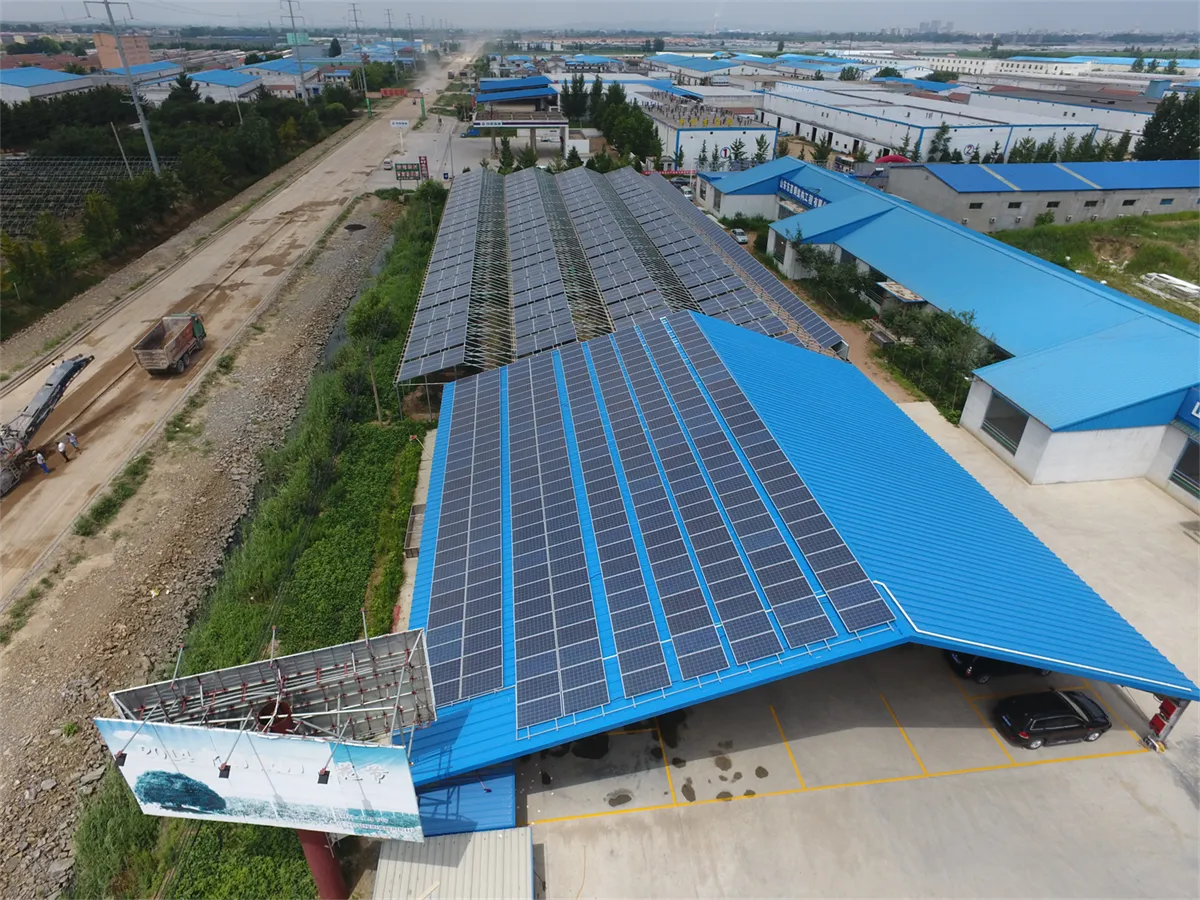
Skeptics often cite high upfront costs as a barrier to solar adoption. But when you look at the full lifecycle, the math tells a different story. Let's compare a typical industrial solar installation (1,000 kW) with relying solely on grid electricity in Saudi Arabia:
| Metric | Grid Electricity (25 Years) | Industrial Solar Panels (25 Years) |
|---|---|---|
| Initial Investment | $0 | $1.2M–$1.5M |
| Annual Energy Cost (500,000 kWh/year) | $60,000 (at $0.10/kWh, rising 3% annually) | $5,000 (maintenance + insurance) |
| Total Cost Over 25 Years | $2.8M+ (with inflation) | $1.6M–$1.9M (including installation) |
| Net Savings | $0 | $900,000–$1.2M |
| Payback Period | N/A | 4–6 Years |
*Based on average Saudi electricity prices (2025) and 5% annual solar system degradation. Figures include government subsidies for renewable energy projects.
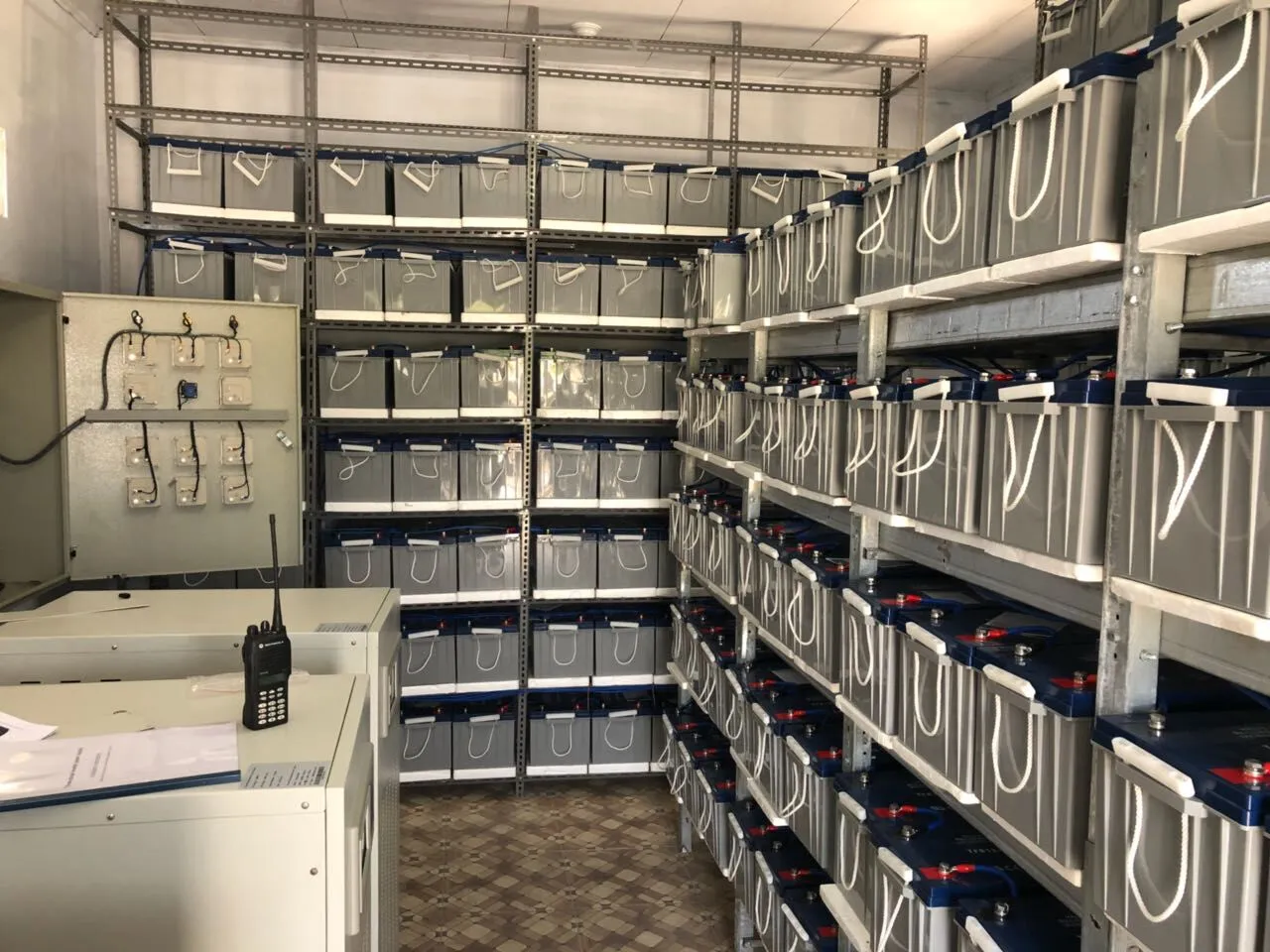
Investing in solar is more than buying panels—it's a project that involves design, permits, installation, maintenance, and ongoing support. For busy business owners, coordinating with multiple vendors (panel suppliers, installers, electricians, and financiers) is a headache. That's where a one-stop architectural solution provider shines. By offering end-to-end services, these partners simplify the process, reduce risks, and ensure seamless execution. Here's how they add value:
Providers with a presence in Saudi Arabia (like established agencies in Riyadh or Jeddah) understand local regulations, permitting processes, and climate challenges. They can navigate bureaucratic hurdles quickly, ensuring projects stay on schedule.
Beyond solar panels, they offer complementary products—like energy-efficient lighting, insulation, and smart monitoring systems—creating a holistic sustainability strategy. For example, pairing solar with LED lighting or high-efficiency HVAC can amplify energy savings by 20–30%.
Solar systems require regular inspections and occasional repairs. A one-stop provider offers local maintenance teams, ensuring quick response times and minimal downtime. Some even provide performance guarantees, giving businesses peace of mind.
Numbers and features tell part of the story, but real-world success speaks volumes. Let's look at two examples of Saudi businesses that partnered with a saudi arabia building materials supplier to adopt industrial solar—and the results they've seen:
Challenge: A 50,000 sq.m. logistics hub with high energy demands from refrigeration units and forklifts. Monthly electricity bills exceeded $80,000, eating into profit margins.
Solution: Installed a 1.2 MW solar system with high-temperature tolerant panels and battery storage. Partnered with a one-stop provider for design, installation, and maintenance.
Results: Cut energy costs by 45% in the first year. Battery storage reduced grid dependency by 30%, ensuring uninterrupted operations during power outages. Qualified for government renewable energy incentives, further lowering taxes. Payback period: 5.2 years.
Challenge: A metal fabrication facility aiming to meet Vision 2030 sustainability targets to win government contracts. Needed to reduce carbon footprint and energy costs.
Solution: Deployed a 2 MW solar system with sand-resistant panels and integrated energy management software. Partner provided training for in-house staff to monitor performance.
Results: Achieved 35% reduction in carbon emissions. Energy bills dropped by $120,000 annually. Qualified for "Green Industry" certification, leading to a $5M government contract. Employees reported increased pride in the company's sustainability efforts.
As Saudi Arabia accelerates toward its 2030 Vision , the role of solar energy will only grow. The government has already allocated $50 billion to renewable energy projects, including the world's largest solar park in Sudair (with a capacity of 2.0 GW). For businesses, this means more incentives (like feed-in tariffs, tax breaks, and low-interest loans), a larger pool of skilled local workers, and a supportive ecosystem for innovation.
But the future isn't just about more solar panels—it's about smarter integration. Imagine warehouses where solar-powered IoT sensors optimize energy use in real time, or commercial buildings where solar panels double as architectural features (think architectural façade solutions with integrated PV cells). As sustainable products evolve, businesses that start now will have a first-mover advantage, positioning themselves as leaders in the green economy.
For Saudi businesses, the message is clear: industrial solar panels aren't just a trend—they're a proven, profitable investment that aligns with both financial goals and Vision 2030 's sustainability targets. But success depends on choosing the right partner: one with local expertise, a commitment to quality, and the ability to deliver end-to-end solutions.
As a leading one-stop architectural solution provider with decades of experience in the Middle East, we understand the unique challenges and opportunities of the Saudi market. From high-quality solar panels to integrated green building materials, we're here to help you build a more sustainable, cost-effective future. Let's start the conversation—your bottom line (and the planet) will thank you.
Recommend Products












