
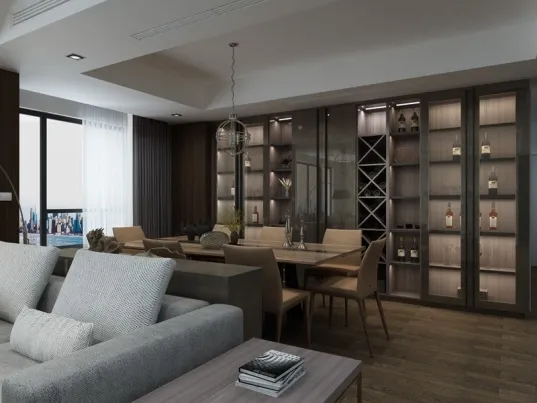
Picture this: You just bought a spectacular bottle of Cabernet Sauvignon and a crisp Chardonnay for a dinner party. But your single-temp fridge makes it impossible to store them perfectly. Sound familiar? That's where a dual-zone wine cabinet steps in – the unsung hero for any wine lover serious about preserving their collection's magic.
Unlike clunky refrigerators that treat all wines equally (a true crime against varietals!), these specialized cabinets create tailored environments for reds and whites. Let's uncork how this tech transforms storage from frustrating to flawless.
Wine isn't just fermented juice; it's a living thing. Store it wrong, and you murder its personality. Reds like Brunello di Montalcino need warmer hugs (55-65°F) to keep tannins supple, while whites like Riesling crave chilly vibes (45-50°F) to spotlight acidity. Stick both in a 38°F fridge? You'll mute flavors faster than slamming a cellar door.
Real Talk: Ever opened a "corked" bottle that smelled like wet cardboard? That's TCA contamination – often caused by fluctuating temps destroying corks. Dual-zone cabinets prevent this tragedy with rock-solid stability.
Pro sommeliers obsess over this stuff for good reason. As Master of Wine Sarah Evans puts it: "Temperature isn’t a suggestion – it’s the conductor of wine’s symphony. Get it wrong, and the music stops."
While temp grabs headlines, three stealthy assassins lurk in plain sight:
Sunlight=wine vampire. It triggers "light strike" reactions that turn Chardonnay into bruised apples. Dual-zone units use tinted glass that blocks 99% of UV rays – like sunscreen for your Sauvignon.
Your fridge's motor? A constant earthquake agitating sediments and oxidizing wine. Premium cabinets use compressors suspended in rubber – think noise-canceling headphones for your Pinot.
Function meets finesse in these details:
No wobbly wire racks! Angled wooden rails cradle bottles neck-down, keeping corks moist without drips staining labels. Like couture hangers for your First Growths.
Touchscreens with 0.5°F increments beat analog dials any day. Set 58°F for Nebbiolo at 65% humidity with one tap. Bonus: Alerts ping your phone if temps spike during a blackout.
As noted in SommJournal: "The tactile joy of sliding bottles across beechwood rails transforms storage from chore to ceremony."
Here’s where temperature turns into practical magic:
| Wine Type | Storage Temp | Serving Temp | Why It Matters |
|---|---|---|---|
|
Bold Reds
(Cabernet, Syrah) |
62-65°F | 60-65°F | Warmer temps soften tannins so blackberry notes pop |
|
Light Reds
(Pinot Noir, Gamay) |
55-58°F | 55°F | Coolness preserves strawberry delicacy |
|
Full Whites
(Oaked Chardonnay) |
52°F | 50-55°F | Slight warmth reveals vanilla/butterscotch |
|
Crisp Whites
(Sauvignon Blanc) |
45°F | 45°F | Icy temps make citrus zing like a slap |
Pro tip: Dual zones let you serve straight from cabinet – no frantic ice-bucket scrambling when guests arrive!
Don't believe "You need $5000+ to get quality." The sweet spot:
Think of a dual-zone wine cabinet as a time machine. It suspends your bottles in their perfect moment until you're ready to pour. For under $1,000, you can rescue that Barolo from your fridge’s arctic grip. Suddenly, Tuesday meatloaf becomes a tasting event.
Final Thought: Great wine bottles whispers stories – of sun-drenched hills and cellar masters' care. A dual-zone cabinet honors that narrative, ensuring every pour delivers its intended poetry. Isn’t that worth the investment?
Recommend Products












