
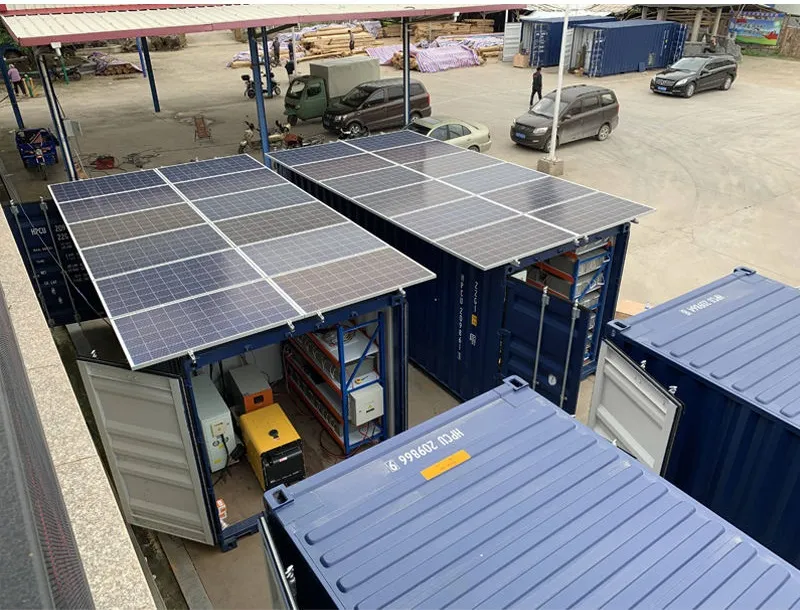
Unlocking the hidden potential of bifacial solar technology
Imagine solar panels that harvest sunlight not just from the front, but also from the backside. Sounds like something out of sci-fi? Well, that's exactly what bifacial solar modules deliver today. As an industry veteran who's watched solar tech evolve, I still get amazed seeing these double-sided powerhouses in action. They're not just panels; they're sunlight traps.
Why backside gain matters: We're talking about free energy bonuses of 10-30% compared to traditional panels. That's like finding an extra solar panel in the field for every four you install. The photovoltaic industry calls this the "Back Gain Factor," and understanding it separates casual adopters from solar masters.
Testing bifacial performance isn't like checking a traditional panel. You've got to account for reflections, albedo effects, and even how high off the ground you mount the panels. Here's what field tests consistently reveal:
Raising panels just 1 meter higher can boost back gain by 5-15%. The sweet spot? Usually between 1.5-2 meters. Too low and you get shadow interference; too high and structural costs eat into gains.
Fresh snow reflects up to 90% of light while asphalt only gives back 15%. That's why installation sites matter as much as panel quality. We've measured 25% higher back gain on snowy fields versus dirt lots.
While monofacial panels love low 30° angles, bifacial units perform better at 15-25°. This flatter position catches more reflected light without sacrificing front exposure.
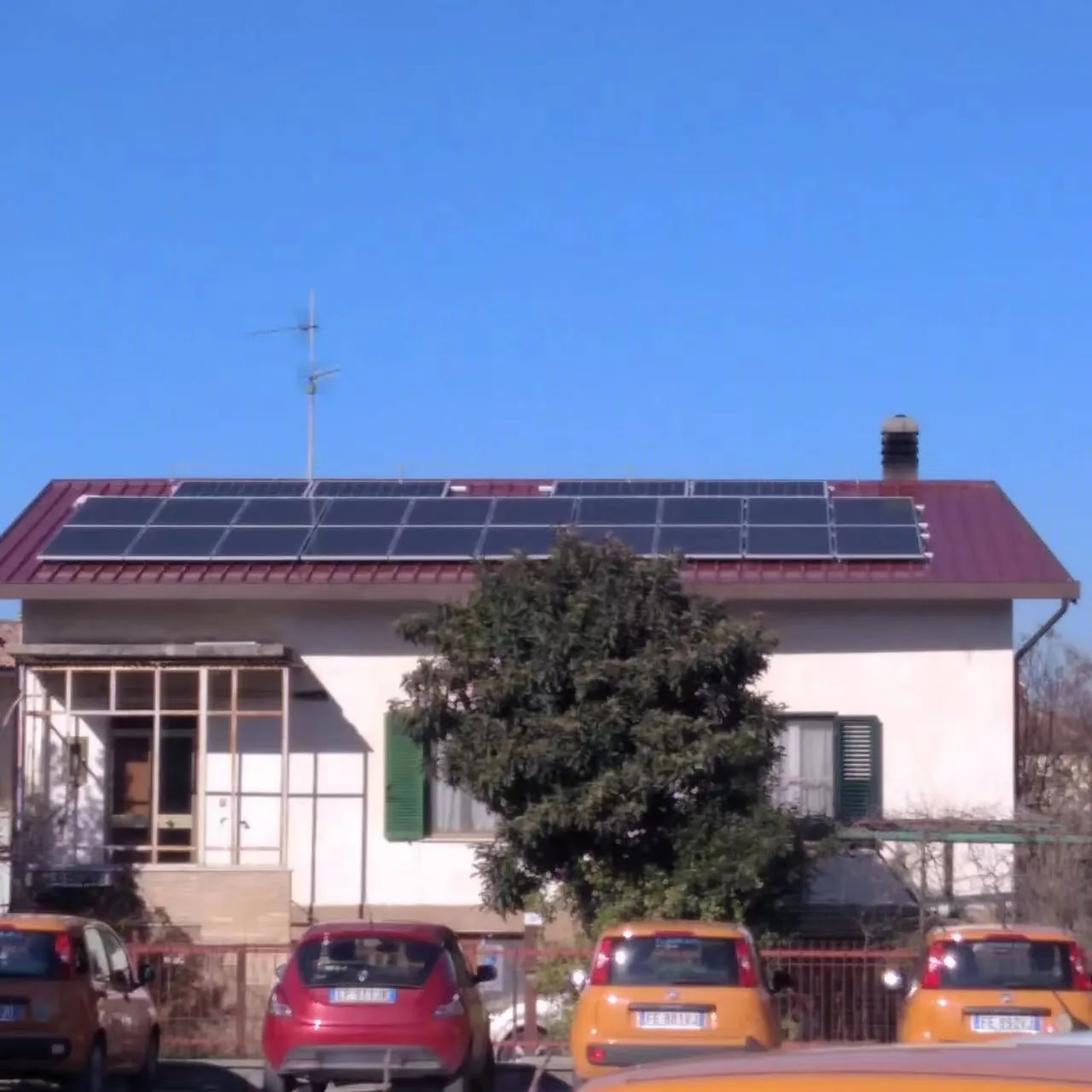
Accurate measurement isn't just about sticking sensors underneath panels. The IEC 60904-1-2 standard specifies crucial procedures:
The Two-Step Approach: First, measure front-side performance under controlled lab conditions (STC). Then field-test the back gain contribution separately in the actual installation environment. Combining both gives you the total bifacial advantage.
Here's where most teams mess up: forgetting microclimate variations. During a test in Dubai, we recorded 5% back gain differences between panels just 100 meters apart due to wind patterns affecting dust accumulation. Continuous monitoring is non-negotiable.
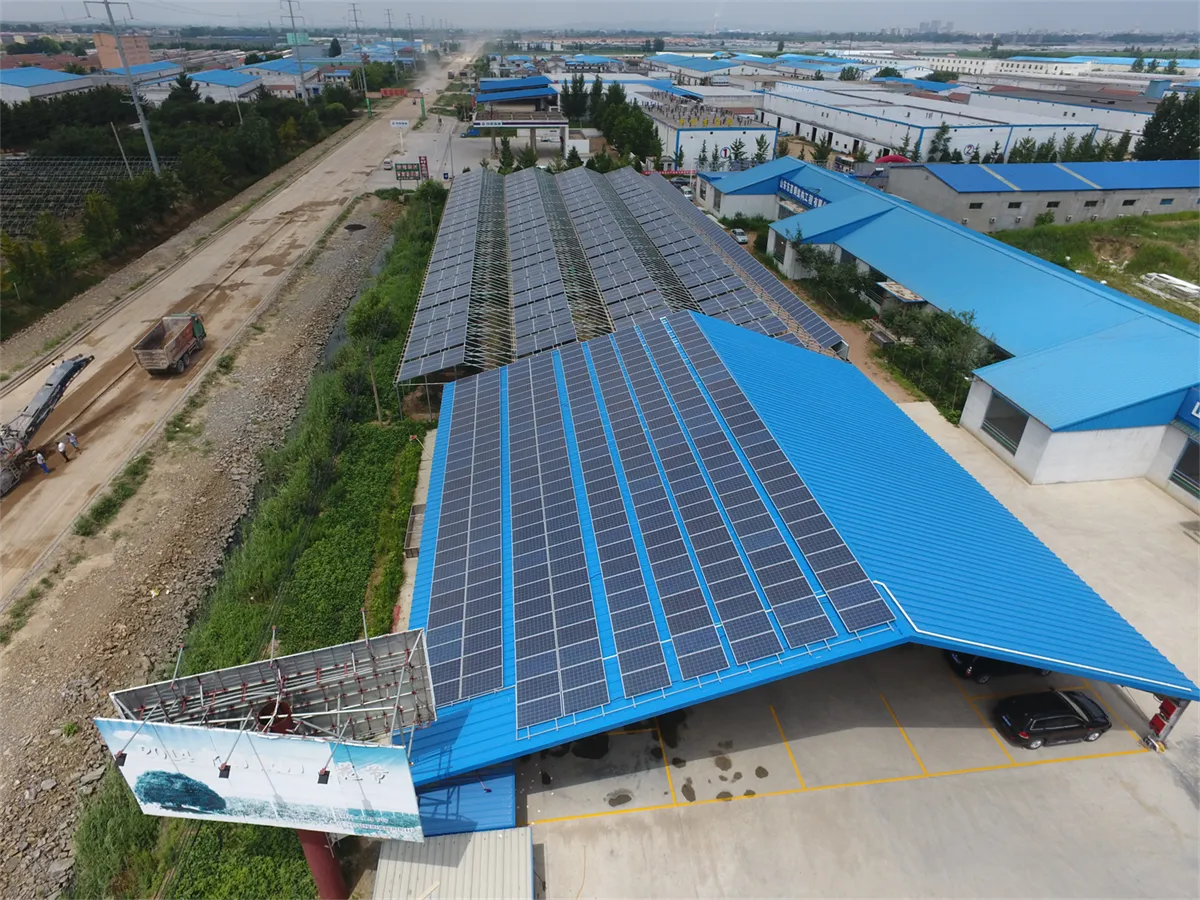
Through hundreds of installations, we've identified patterns that maximize back gain:
Don't just chase higher albedo though—practicality matters. Installing special reflective surfaces rarely pays off. Smart natural material selection does. Sustainable solutions like crushed limestone offer 80% reflectivity at 1/10th the cost of artificial surfaces.
Even seasoned engineers make these costly mistakes:
Heavy framing creates shadows that reduce back gain. We measured 8% loss on over-engineered mounts versus minimal designs.
Back surfaces collect 3x more dust than fronts. Monthly backside cleaning boosted annual output by 4% in Arizona tests.
The biggest silent killer? False measurements. During calibration of photovoltaic modules, we discovered that failing to account for thermal drift caused 7% overestimation of back gain in winter tests.
As tracking technology evolves, so should your measurement approach:
Next-gen testing: Drones with LiDAR now map albedo variations across solar fields in hours instead of weeks. Machine learning models predict back gain changes during seasonal transitions with 92% accuracy. The future is predictive, not reactive.
Upcoming panel designs will feature embedded wireless sensors that constantly report back gain performance. This continuous data stream will finally deliver on the promise of "set and forget" bifacial optimization.
Mastering back gain testing isn't about complex physics—it's understanding how sunlight dances with surfaces. Over the years, I've learned that every solar farm has its unique personality. Your desert site will behave differently than coastal installations. That's why standardized tests give starting points, but continuous monitoring reveals the real story.
The secret? Treat back gain measurement as an ongoing conversation with your installation, not a one-time exam. Start with IEC standards, but listen to what your site-specific data tells you. That's how you transform good solar projects into great energy producers. In the solar industry, every ray counts.
Recommend Products












