
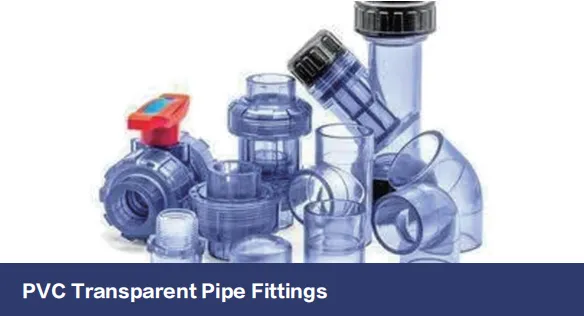
Hey there, let's talk about something crucial that often gets overlooked in construction projects: the role of fire-safe materials like low smoke halogen-free (LSZH) options in electrical conduit systems. Specifically, we're diving deep into whether those clear PVC pipe fittings you see everywhere can actually meet the LSZH safety standards – and what alternatives exist when they fall short.
When a fire breaks out, every detail matters – from visibility through smoke to breathable air quality. That’s where LSZH conduits step in as the underrated heroes. They’re designed not just to protect wires but also to protect people during emergencies.
PVC (Polyvinyl Chloride) is like that reliable old tool in your garage – affordable, sturdy, and popular for everyday wiring jobs. It handles moisture well and installs easily, making it a favorite for standard electrical work in homes or commercial spaces. But here’s the rub: PVC has chlorine in it. When fire hits?
In a small room or crowded building, those few extra seconds of visibility from low-smoke materials could mean life or death.
Think of LSZH materials as the safety-conscious cousin. They ditch halogens (like chlorine, bromine) entirely and use advanced flame retardants that don’t compromise air quality when heated.
Here's why architects love them:
For spaces like hospitals, data centers, or subways where fire safety can't be negotiable, LSZH isn't just nice-to-have; it's mandatory.
Alright, let’s get real: those see-through PVC fittings look slick. They make inspections easier and give a “clean tech” vibe. But here’s the uncomfortable truth – they absolutely cannot qualify as LSZH . Why? Because transparency in PVC requires additives that still include chlorine compounds. If these pipes catch fire:
Simply put: “transparent” doesn’t mean “safe” when discussing fire scenarios.
These give you transparency without the toxins. By using glass fibers embedded in resin (instead of PVC), they maintain clarity while passing UL 94 V-0 flame tests. Perfect for labs or cleanrooms where you need to visually monitor wires without smoke risks.
Not fully see-through, but translucent enough for basic inspections. What they lack in crystal clarity, they make up for with zero halogens and rapid self-extinguishing properties. Plus, they outperform PVC in chemical resistance – great for factories!
For extreme heat zones (think near furnaces or generators), borosilicate glass tubes with silicone seals offer unmatched transparency + 1200°F resistance. Halogen-free naturally, and creates minimal haze even under direct flames.
Let’s cut through abstract standards and talk about actual places where switching from PVC to LSZH alternatives prevents disasters:
One overheated wire in a cramped server aisle shouldn’t fill the room with blinding smoke while emergency systems boot up. LSZH conduit keeps critical infrastructure visible and breathable during crises.
Evacuating hundreds through enclosed spaces demands every chemical advantage. Subway tunnels switching from PVC to LSZH reported clearer escape pathways and less corrosive damage to signal systems post-fire.
Patients already struggling to breathe absolutely cannot handle chlorine gas clouds after an electrical fault. LSZH fittings here aren’t regulation compliance—they're moral necessities.
Corrosive smoke from burning PVC damages microscopes, spectrometers, and circuit boards worth millions. LSZH conduit is insurance against both health risks and equipment loss.
At the end of the day, PVC transparent pipes are about optics—both visual and organizational. They’re easy to specify, cheap to buy, and offer superficial convenience. But if your project involves human life, critical infrastructure, or costly hardware? They’re a risk disguised as clarity.
Better alternatives exist :
And remember – if a supplier claims their clear PVC fittings are “LSZH-equivalent”? Ask to see the third-party burn test reports. Halogens don’t magically disappear for aesthetics.
Recommend Products












