
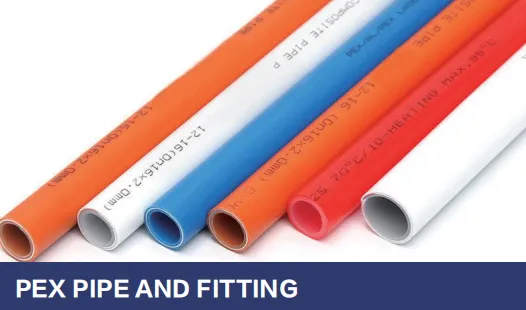
It's a scenario many homeowners face: a burst pipe in the middle of winter, a bathroom renovation that demands new plumbing, or simply an upgrade to more efficient materials. You stand there, toolbox in one hand and phone in the other, wondering: Can I do this myself? or Is this worth the cost of a pro? When it comes to PEX pipe and fitting solutions—the flexible, durable, and increasingly popular choice for modern plumbing—this decision feels even more loaded. PEX (cross-linked polyethylene) has revolutionized home plumbing with its bendable design, resistance to corrosion, and ability to handle extreme temperatures. But does that mean it's a "DIY dream" or still a job for the pros? Let's dive in, weighing the triumphs, trials, and truths of both paths.
First, let's get to know the star of the show: PEX pipe and fitting solutions. Unlike rigid copper or clunky galvanized steel, PEX is a lightweight, flexible plastic that bends around corners without elbow joints, reduces the risk of leaks, and costs a fraction of traditional materials. It's why plumbers and homeowners alike are making the switch. But whether you're tackling a small repair or a full-house repipe, the choice between DIY and professional installation can shape not just your wallet, but the longevity of your plumbing system—and your peace of mind.
Before we compare installation methods, let's break down what makes PEX pipe and fitting solutions so appealing. Imagine (oops, scratch that— think about ) a pipe that can snake through walls, under floors, and around tight corners without needing a army of connectors. That's PEX. Its cross-linked molecular structure gives it flexibility (it can bend up to 90 degrees without kinking) and strength (it resists cracks from freezing water, a lifesaver in colder climates). Unlike copper, it won't corrode from acidic water, and unlike PVC, it won't leach chemicals into drinking water. No wonder it's become the go-to for everything from residential bathrooms to commercial kitchens.
But PEX isn't just about the pipe itself—it's the fittings, too. PEX pipe and fitting solutions come in a range of styles: crimp, clamp, push-fit, and expansion, each with its own tools and techniques. Crimp fittings, for example, require a specialized tool to compress a metal ring around the pipe and fitting, while push-fit options (like SharkBite) claim to "snap on and stay on" with minimal effort. This variety is part of PEX's charm, but it also adds layers of complexity. Choose the wrong fitting, or install it incorrectly, and you could be dealing with leaks, low water pressure, or even mold down the line.
According to the Plastics Pipe Institute, PEX now accounts for over 60% of new residential plumbing installations in North America. Its cost-effectiveness (about 25-50% cheaper than copper), ease of installation, and 40+ year lifespan make it a top choice for both DIYers and pros.
There's something undeniably satisfying about completing a home project with your own two hands. The pride of saying, "I did that," the cash saved from labor costs, and the flexibility to work on your own timeline—these are the siren songs of DIY. For PEX pipe and fitting solutions, the appeal is even stronger. After all, PEX is marketed as "beginner-friendly," with manufacturers offering step-by-step tutorials and push-fit fittings that seem almost too easy. Let's unpack the pros, cons, and realities of going the DIY route.
Cost Savings That Add Up Labor is often the biggest chunk of any plumbing bill. Hiring a professional plumber can run anywhere from $45 to $150 per hour, with complex jobs (like repiping a whole house) costing thousands. DIY? You're only on the hook for materials: PEX pipe, fittings, tools, and maybe a trip to the hardware store. For a small project—say, replacing a section of pipe under the sink or installing a new shower valve—you could save $300 to $800. Even for larger jobs, the savings can be substantial: a DIY repipe might cost $1,500 to $3,000 in materials, while a pro could charge $4,000 to $10,000 or more.
Flexibility and Control Ever tried scheduling a plumber? It often means waiting days (or weeks) for an appointment, rearranging your schedule, and working around their timeline. DIY puts you in the driver's seat. You can start at 7 a.m. on a Saturday, take breaks when you need to, and tweak the project as you go. No more rushing to be home for a 1-5 p.m. window or paying overtime fees for after-hours work.
Learning a New Skill Plumbing might not sound glamorous, but mastering the basics can be empowering. Once you've installed PEX pipe and fittings, you'll gain confidence to tackle future repairs—saving even more money down the line. Plus, with so many online tutorials, YouTube guides, and even in-store workshops at your local pex pipe and fitting supplier, learning the ropes has never been easier.
Before you rush to buy a crimping tool, let's talk about the downsides. PEX might be "beginner-friendly," but that doesn't mean it's "foolproof." One wrong move can turn a simple project into a costly nightmare.
The Hidden Costs of Mistakes A leaky fitting might seem minor, but over time, it can rot floors, warp cabinets, or even cause mold growth. Fixing water damage can cost $1,000 to $10,000, wiping out any savings from DIY labor. Worse, if your DIY installation violates local building codes, you could fail a home inspection when selling, forcing you to redo the work (and hire a pro anyway).
Tool Investment (That Might Go to Waste) PEX installation requires specific tools: crimpers, cutters, expansion tools, and maybe even a torch for certain fittings. A basic DIY kit can cost $100 to $300, and if you only use it once, that's a lot of money for a one-time project. Professionals, on the other hand, already own these tools and factor their cost into their services.
The Stress of "What If?" Nothing kills a weekend like staring at a half-installed pipe, wondering if you crimped the fitting tight enough or if the pipe is properly insulated. DIY projects often come with late-night Google searches ("Why is my PEX pipe leaking?") and second-guessing every step. For some, that stress is worth the savings; for others, it's not.
Before diving into DIY PEX installation, ask yourself:
Do I have access to detailed, reliable instructions (not just a 5-minute YouTube clip)?
Can I afford the tools (or rent them) without blowing my budget?
Am I comfortable following local building codes (and getting permits if needed)?
Do I have a backup plan (e.g., a plumber on speed dial) if things go wrong?
If you answered "yes" to all, DIY might be feasible for small, straightforward jobs (like replacing a single fixture line). For whole-house repipes or complex layouts? Proceed with caution.
Now, let's shift to the other side of the scale: hiring a professional plumber to handle your PEX pipe and fitting solutions. At first glance, the cost stings—there's no getting around the fact that labor adds up. But professionals bring more to the table than just a toolbox. They bring experience, expertise, and accountability. Let's explore when their services are worth every penny.
Code Compliance and Permits Plumbers live and breathe building codes. They know which PEX types (A, B, or C) are approved for your area, how to size pipes correctly for water pressure, and when permits are required. Skipping permits might save time now, but it can invalidate your home insurance or cause issues during resale. Pros handle the paperwork, so you don't have to.
Speed and Efficiency What takes a DIYer a weekend might take a pro a day. They've installed PEX pipe and fittings hundreds of times, so they know shortcuts (the safe kind) and can troubleshoot on the fly. A pro won't waste time Googling "how to fix a crimp leak"—they'll spot the issue in seconds and fix it right the first time.
Warranties and Guarantees Most professional installations come with warranties (often 1-5 years) covering labor and materials. If a fitting leaks six months later, the plumber will fix it for free. DIY projects? You're on your own. That warranty alone can be worth the cost, especially for major projects.
Long-Term Reliability Pros don't just install pipes—they design systems. They'll assess your home's layout, water usage patterns, and future needs to ensure your PEX plumbing works efficiently for decades. A DIYer might focus on "getting it done," while a pro focuses on "getting it done right for the long haul."
Of course, professional installation isn't without downsides. The biggest? Cost. As mentioned earlier, hourly rates can range from $45 to $150, and a whole-house PEX repipe can cost $4,000 to $10,000+ depending on the home's size and complexity. For some homeowners, that's a non-starter—especially if they're on a tight budget.
Another potential issue is scheduling. Good plumbers are often booked weeks in advance, which can delay your project. And while most pros are reliable, there's always the risk of hiring someone unqualified (hence the importance of checking reviews, licenses, and insurance).
To make the decision clearer, let's put DIY and professional installation side by side. Below is a breakdown of key factors, from cost to risk, to help you decide which path aligns with your goals, skills, and comfort level.
| Factor | DIY Installation | Professional Installation |
|---|---|---|
| Cost | Lower upfront (materials only: $1-$3 per linear foot of PEX pipe). Tools add $100-$300 (or rent for $20-$50/day). | Higher upfront (materials + labor: $4-$8 per linear foot). Total for small jobs: $300-$800; whole-house: $4,000-$10,000+. |
| Time Investment | Slow (1-2 days for a small job; weekends or weeks for large projects). | Fast (hours for small jobs; 1-3 days for whole-house repipes). |
| Skill Required | Moderate to high (must learn crimping/expansion techniques, code basics, and troubleshooting). | Low for you (pros handle everything, from design to cleanup). |
| Tools Needed | PEX cutter, crimp tool/clamp tool/expansion tool, deburring tool, pipe supports, and possibly a torch (for certain fittings). | None (pros bring all tools and materials). |
| Warranty/Protection | Limited (manufacturer warranty on materials only; no labor coverage if you make a mistake). | Comprehensive (most pros offer 1-5 year labor warranties; materials covered by manufacturer). |
| Risk of Errors | High (leaks, improper sizing, code violations, or damage to walls/floors). | Low (pros have training and experience to avoid mistakes). |
| Code Compliance | Your responsibility (must research local codes and pull permits if required). | Pros handle permits and ensure compliance (critical for insurance and resale). |
| Stress Level | High (late-night troubleshooting, second-guessing, and fear of mistakes). | Low (you relax while experts handle the work). |
Theory is helpful, but real-world examples make it easier to decide. Let's look at two common scenarios and see which path makes sense.
You're upgrading your kitchen sink and need to replace the old copper supply lines with PEX. The job involves cutting two short lines (hot and cold), attaching push-fit fittings, and connecting to the shutoff valves. DIY is a solid choice here. Push-fit PEX fittings (like SharkBite) are designed for beginners—no crimping tool needed. You can buy a PEX kit from your local pex pipe and fitting supplier for $50-$100, watch a 10-minute tutorial, and have the job done in an hour. The risk is low (if it leaks, you can simply re-push the fitting), and the savings are tangible.
Your 20-year-old home has galvanized steel pipes that are corroding, leading to low water pressure and rusty water. You want to repipe the entire house with PEX. Call a pro. This project involves running PEX through walls, ceilings, and floors; sizing pipes for each fixture; ensuring proper insulation; and coordinating with other trades (like electricians) if walls need to be opened. A pro can assess your home's layout, source the right PEX pipe and fitting solutions, and complete the job in 2-3 days—without you lifting a finger. The cost is high, but the peace of mind (and code compliance) is priceless.
What if you want to save money but aren't ready to tackle a full DIY project? Consider a hybrid approach:
Option 1: Prep the Work for Pros
If you're repiping a room, you could demo the walls (carefully!) to expose the old pipes, saving the pro hours of labor. Just be sure to avoid electrical wires and structural beams.
Option 2: Buy Materials Yourself
Pros often mark up materials, so purchasing PEX pipe and fittings directly from a pex pipe and fitting supplier can cut costs. Show the pro your materials list first to ensure compatibility.
Option 3: Hire a Handyman for Small Jobs
For tasks like installing PEX under a sink or replacing a shower valve, a licensed handyman (cheaper than a plumber) with PEX experience might be a happy medium.
At the end of the day, the choice between DIY and professional installation of PEX pipe and fitting solutions boils down to three things: your skill level, the complexity of the job, and your tolerance for risk. PEX is indeed more DIY-friendly than copper or steel, but that doesn't make it a "one-size-fits-all" solution. Small, simple projects (like replacing a fixture line) can be rewarding and cost-effective to DIY—especially if you enjoy learning new skills. Larger, more complex jobs (like whole-house repipes) are better left to professionals, who bring speed, expertise, and warranties to the table.
Remember, there's no shame in DIY—nor in hiring help. The goal is to have a plumbing system that works reliably for years to come, whether you installed it yourself or paid someone else to. And when it comes to materials, always choose high-quality PEX pipe and fitting solutions from a reputable supplier—because even the best installation can fail with shoddy materials.
So, next time you're at that plumbing crossroads, take a deep breath, assess the job, and choose the path that aligns with your goals. Whether you're high-fiving yourself after a successful DIY fix or relaxing while the pros work their magic, you'll be one step closer to a plumbing system you can count on.
Recommend Products












