

Walk into any modern home, boutique café, or corporate office today, and you'll notice a silent design revolution happening on the walls. Gone are the days of plain painted surfaces—today's spaces demand texture, character, and personality. Among the most sought-after solutions driving this change are PU stone wall panels. Lightweight yet durable, visually striking yet surprisingly affordable, these panels have become a favorite for both interior and exterior decoration materials. But as homeowners and business owners alike fall for their charm, a critical question arises: should you install them yourself or hire a professional? Let's explore this dilemma, weighing the pros and cons to help you make the best choice for your project.
Before diving into installation methods, let's get familiar with what makes PU stone wall panels so popular. PU, short for polyurethane, is a synthetic material celebrated for its remarkable versatility. When crafted into wall panels, it mimics the look and feel of natural stone—think rugged granite, smooth limestone, or even weathered fieldstone—without the drawbacks of the real thing. Unlike heavy natural stone that requires structural reinforcement, PU panels are lightweight, making them suitable for almost any wall type. They're also water-resistant, fire-retardant, and resistant to fading, making them ideal for both humid indoor spaces like bathrooms and exposed outdoor areas like patios.
One of the biggest advantages is their design flexibility. Whether you're aiming for a cozy rustic vibe in a living room or a sleek modern aesthetic in a restaurant, there's a PU stone panel to match. Reputable pu stone wall panel suppliers offer an array of textures, colors, and finishes, ensuring you find the perfect fit for your vision. And because they're easier to handle than natural stone or even traditional tiles, they open up exciting possibilities for creative wall solutions—from accent walls to entire facade makeovers.
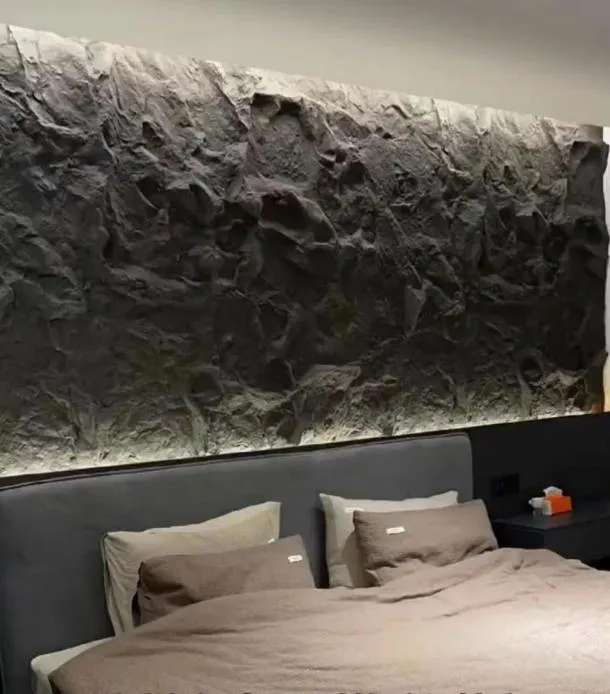
For many homeowners and small business owners, the idea of installing PU stone panels themselves is (tempting). It promises cost savings, creative control, and the pride of saying, "I did that." But is it the right choice for you? Let's break down what DIY installation entails.
DIY installation works best if you tick these boxes: you have basic handyman skills (think painting, using a drill, or assembling furniture), your project is relatively small (like a single accent wall), and you have the time to dedicate to careful work. It's also a great fit if you're on a tight budget and willing to trade labor costs for your own effort.
If you're ready to take the plunge, here's a simplified overview of the process. Always follow the specific instructions from your pu stone wall panel supplier, as products may vary slightly.
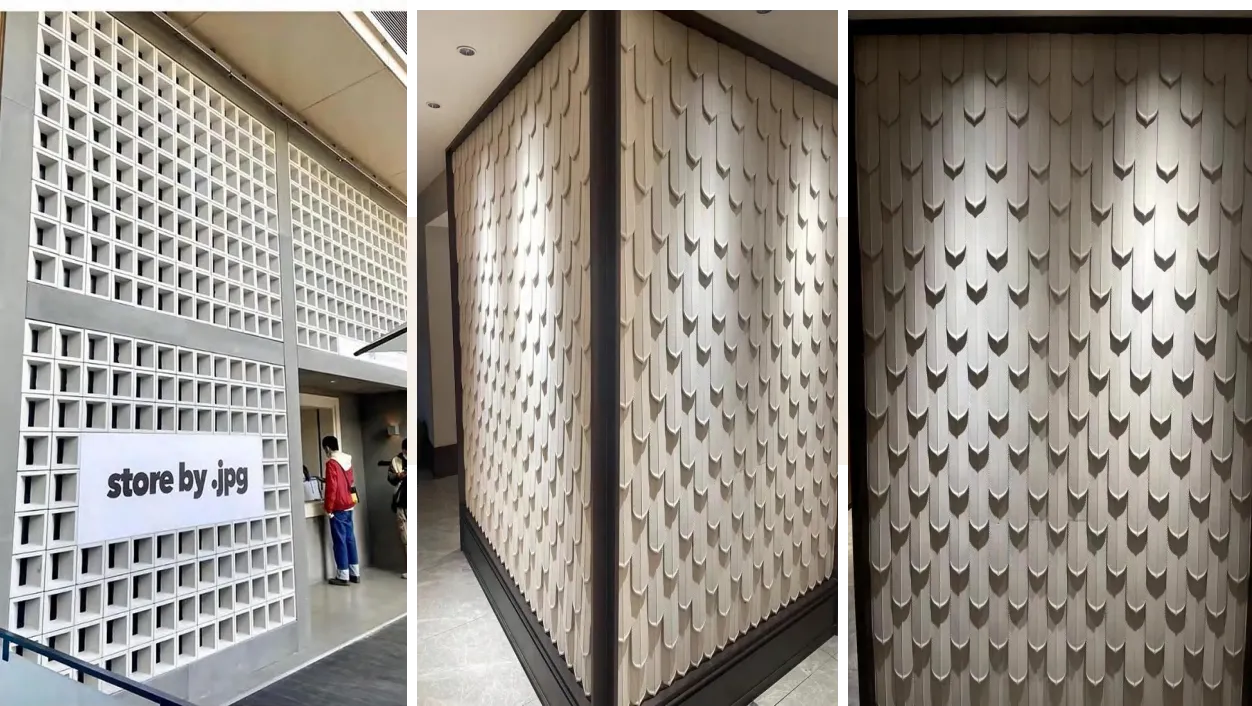
For some projects, hiring a professional installer is the smarter choice. Professionals bring expertise, efficiency, and a guarantee of quality that DIY can't always match. Let's explore when and why to call in the experts.
Professional installation is ideal for large-scale projects (like an entire home exterior or a commercial space), installations in high-traffic areas (like a hotel lobby), or projects where precision is critical (like curved walls or intricate patterns). It's also a must if you're installing panels outdoors in harsh weather conditions—professionals understand how to seal and secure panels to withstand rain, wind, and temperature fluctuations.
Professional installation typically follows a straightforward process. First, the installer will visit your space for a consultation, taking measurements and discussing your goals. They'll then provide a detailed quote, including labor, materials, and timeline. Once you approve, they'll schedule the installation, prep the wall, install the panels with precision, and clean up afterward. Many also offer follow-up visits to ensure everything is holding up well.
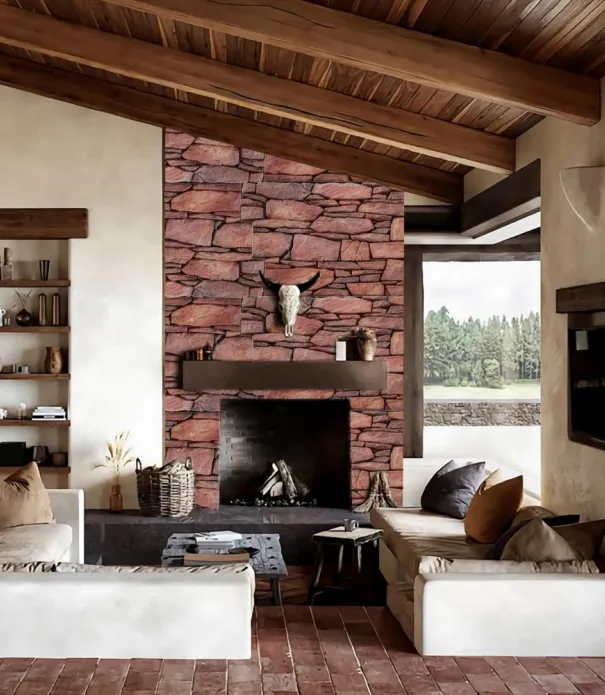
| Factor | DIY Installation | Professional Installation |
|---|---|---|
| Cost | Lower (materials only; $200-$500 for small projects) | Higher (materials + labor; $800-$2,000+ for small projects) |
| Time Required | 1-3 weekends (depending on skill and project size) | 1-2 days (for most residential projects) |
| Skill Level Needed | Basic to intermediate DIY skills; comfort with tools | No skill needed (installers handle everything) |
| Quality of Finish | Good, but may have minor gaps or alignment issues | Excellent, with seamless alignment and professional polish |
| Warranty Coverage | Often limited or voided by manufacturers | Full product warranty + labor warranty from installer |
| Risk of Errors | Higher (misalignment, improper adhesion, cutting mistakes) | Lower (years of experience minimize errors) |
| Best For | Small indoor projects, handy homeowners, tight budgets | Large projects, exteriors, commercial spaces, those prioritizing quality/speed |
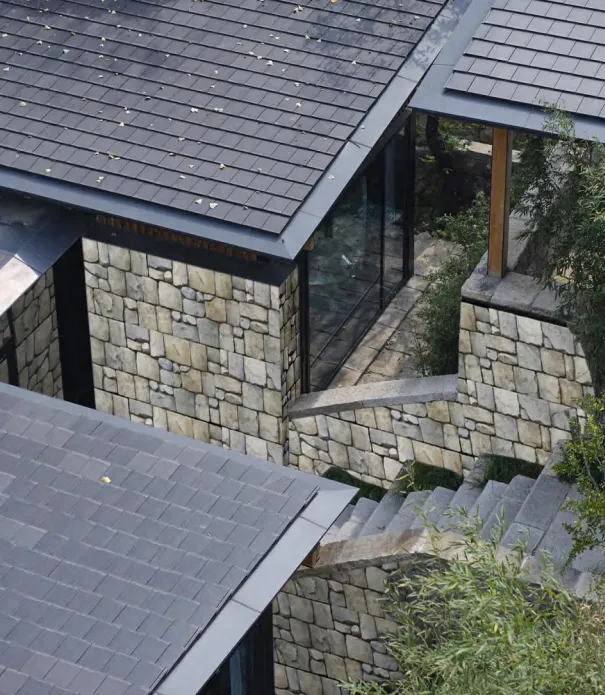
Choosing between DIY and professional installation isn't always easy. To make the best decision, ask yourself these questions:
Let's look at a few examples to see how these factors play out in real life:
Scenario 1: The Budget-Conscious Homeowner – Alex wants to add a PU stone accent wall to his home office. He's handy, has weekend time to spare, and found a great deal on panels from a local pu stone wall panel supplier. His project is small (10x8ft) and indoors. For Alex, DIY makes sense—he'll save on labor, enjoy the project, and the risk of mistakes is low for such a simple installation.
Scenario 2: The Busy Restaurant Owner – Maya owns a popular bistro and wants to update her exterior with PU stone panels to attract more customers. The project is large (the entire front facade), and she can't afford to close for weeks. She also needs the finish to look professional to impress diners. For Maya, hiring professionals is worth the cost—they'll finish quickly, ensure the panels withstand weather, and provide a warranty, giving her confidence in the investment.
Scenario 3: The First-Time DIYer – Jamie has never done a home improvement project but wants to install PU panels in her bathroom. The space is small, but it's humid, requiring proper sealing. While Jamie is eager to learn, the risk of improper installation leading to mold or water damage is high. In this case, Jamie might opt for a hybrid approach: hiring a pro for the tricky parts (like sealing around the shower) and doing the simpler sections herself, or starting with a smaller, lower-stakes project (like a bedroom accent wall) to build skills first.
At the end of the day, the choice between DIY and professional installation comes down to your unique situation. If you're handy, have the time, and are working on a small indoor project, DIY can be a rewarding, cost-effective option. If you're tackling a large project, need a flawless finish, or value peace of mind, professional installation is the way to go.
Whichever path you choose, remember that the quality of your pu stone wall panel solutions depends heavily on the materials you select. Partner with a reputable pu stone wall panel supplier to ensure you're getting durable, attractive panels that will stand the test of time. With the right materials and the right installation approach, your PU stone walls will transform your space into something truly special—whether you built them yourself or trusted the experts to do it for you.
Recommend Products











