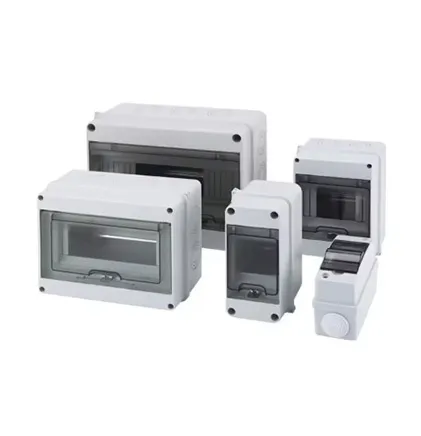
When planning any construction project — whether it is a residential building, commercial complex, or industrial facility — the electrical distribution system is one of the most critical yet often overlooked components. At the heart of every safe and efficient electrical system lies the distribution box, a device that ensures power is properly routed, protected, and distributed throughout the building.
Choosing the right
distribution box supplier can make a significant difference in the safety, reliability, and longevity of your electrical infrastructure. In this guide, we will walk you through everything you need to know about distribution boxes and how to select the best solution for your project.
What Is a Distribution Box?
A distribution box — also known as a distribution board, panel board, or breaker panel — is an electrical enclosure that divides an incoming electrical power feed into multiple subsidiary circuits. Each circuit is protected by a fuse or circuit breaker, ensuring that in the event of an overload or short circuit, only the affected circuit is disconnected while the rest of the system continues to operate normally.
Distribution boxes are essential components in virtually every building type, from residential homes to large-scale industrial facilities. They serve as the central hub where power enters a building and is then safely distributed to lighting, appliances, outlets, and specialized equipment. Without a properly designed distribution system, even the most advanced building would be vulnerable to electrical hazards.
Key Types of Distribution Boxes
Understanding the different types of distribution boxes is crucial for making the right selection. Here are the most common categories found in modern construction projects:
Main Distribution Board (MDB)
The main distribution board is the primary point of electrical distribution in a building. It receives power from the utility transformer or generator and distributes it to sub-distribution boards or directly to large equipment. MDBs are typically rated for higher currents and are commonly found in commercial and industrial settings where substantial power demands must be met.
Sub-Distribution Board (SDB)
Sub-distribution boards receive power from the main distribution board and further distribute it to end-use circuits. They are commonly installed on individual floors of a multi-story building or in separate zones of a large facility. This hierarchical approach makes electrical management more organized and maintenance significantly easier.
Final Distribution Board (FDB)
The final distribution board is the last point of distribution before power reaches individual appliances, lighting fixtures, and outlets. These are typically the smaller panels you see in residential apartments or individual office units. They provide localized circuit protection and convenient access for everyday use.
How to Choose the Right Distribution Box
Selecting the appropriate distribution box for your project requires careful consideration of several key factors. Making an informed decision at this stage prevents costly retrofits and safety issues down the line.
1. Rated Current and Voltage
The total current capacity of the distribution box must exceed the maximum expected load, with a safety margin of at least 20-30%. Calculate the total power consumption of all connected equipment and convert it to the required current rating. For commercial projects, it is always wise to plan for future expansion rather than operating at the upper limit of the equipment's capacity.
2. Number of Circuits
Count the number of individual circuits needed for your project, including lighting, power outlets, HVAC systems, and specialized equipment. Always add extra slots for future expansion — a distribution box with too few circuits can become a costly bottleneck that requires a complete panel replacement.
3. Protection Features
Modern distribution boxes should include overcurrent and short-circuit protection via circuit breakers or fuses, residual current protection (RCD/GFCI) for areas with water exposure, and surge protection devices (SPD) to guard against voltage spikes. Proper grounding and earthing connections are equally essential for overall system safety.
4. Enclosure Material and IP Rating
The enclosure material — whether metal or flame-retardant plastic — and ingress protection (IP) rating must match the installation environment. For indoor installations, IP20 or IP40 may suffice. For outdoor or dusty industrial environments, IP65 or higher is recommended to protect against moisture, dust, and physical impact.
5. Compliance with Standards
Always ensure that distribution boxes comply with international standards such as IEC 61439 for low-voltage switchgear and control gear assemblies. Local electrical codes and regulations must also be met, as non-compliant equipment can lead to failed inspections and serious liability issues.
The Importance of Quality Electrical Fixtures
A distribution box is only as good as the components inside it and the overall electrical system it serves. When sourcing for your project, consider the quality of all related electrical fixtures. Working with a reliable
electrical fixtures & cables supplier ensures that every component in your electrical system — from the main distribution board to the smallest wall socket — meets the same high standards of quality and safety.
Equally important are the
switches & socket supplier you choose for your project. Switches and sockets are the most frequently used electrical components in any building, and their durability directly impacts user experience and safety. High-quality switches with proper contact mechanisms reduce the risk of arcing, overheating, and premature failure — issues that can escalate into serious hazards if left unchecked.
Do not overlook the cables either. A trustworthy
cables supplier provides properly rated and certified cables that form the arteries of your electrical system. Undersized or substandard cables are a leading cause of electrical fires and system failures. Investing in quality cables from the outset is one of the most cost-effective decisions you can make for long-term building safety.
Why Choose a One-Stop Solution Provider?
Managing multiple suppliers for different electrical components can be logistically challenging, especially for large-scale projects. Coordinating deliveries, verifying quality across different sources, and handling warranty claims with multiple vendors all consume valuable time and resources. A
one-stop architectural solution provider like COLORIA GROUP simplifies the procurement process by offering a comprehensive range of building materials — including distribution boxes, switches, sockets, cables, and much more — all from a single source.
COLORIA GROUP, headquartered in Foshan, China, is a leading
building material supplier with over a decade of experience serving residential and commercial projects worldwide. With a dedicated agent in Saudi Arabia and a global supply chain network, the company delivers quality products at competitive prices, backed by professional support and reliable logistics.
13 product categories covering interior and exterior building solutions
560+ products to meet diverse project requirements across all construction phases
Quality assurance and international standards compliance for peace of mind
Competitive pricing with factory-direct sourcing that eliminates middleman markups
End-to-end project support from product selection to final delivery
Get the Right Electrical Solution for Your Project
Selecting the right distribution box and electrical components is a critical decision that affects the safety, efficiency, and longevity of your building's electrical system. By understanding the key selection criteria and working with a trusted
distribution box supplier, you can ensure your project is built on a solid electrical foundation.
Whether you are outfitting a single residential unit or managing a multi-building commercial development, COLORIA GROUP provides the expertise and product range you need. Contact us today to discuss your project requirements and discover how our one-stop building materials solutions can save you time, reduce costs, and deliver peace of mind.