


Your Plain-English Guide to Electrical Distribution Systems
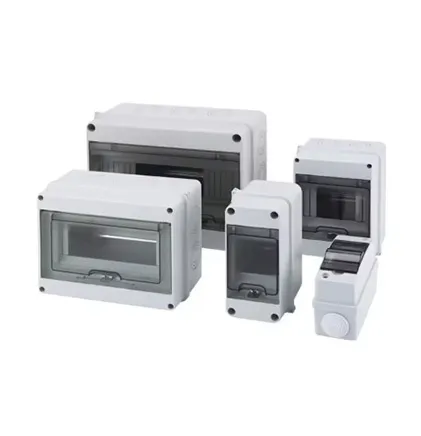
Hey there! If you're working with electrical systems, you know distribution boxes are like the central nervous system for power flow. They're not just metal enclosures - they're carefully orchestrated safety hubs ensuring electricity gets where it's needed without causing chaos. Think of them as traffic cops for electrons, with breakers acting like crowd control and surge protectors as lightning rods for voltage spikes.
The Nuts and Bolts Inside Your Distribution Box
Circuit Breakers: Your First Line of Defense
These aren't just switches - they're intelligent safety guardians. When current tries to push beyond safe limits (like during a short circuit), breakers go "Nope, not on my watch!" and cut the flow faster than you can say "electrical fire." Here's what matters:
- The trip curve dance: B-types respond quick for homes, C-types handle the surge of motors, D-types manage transformers' heavy lifting
- Sizing matters: Too big and they won't trip when needed; too small and you'll curse them for nuisance trips at 2 AM
- Real talk: That buzzing sound? Never ignore it. It's your breaker crying for help before failure
Surge Protectors: Your Silent Voltage Bodyguards
Lightning storms and power company hiccups send voltage spikes that fry electronics faster than eggs on a hot skillet. Surge protectors sacrifice themselves to save your gear:
- Type 1: Takes the bullet for lightning strikes at your main panel
- Type 2: Handles internal surges from big motors kicking on
- Type 3: Guards individual devices near point-of-use
Pro tip: Like milk, they expire! That little "protected" light? It lies. replace them every 3-5 years.
Bus Bars: The Unsung Heroes
These copper or aluminum rails are like the highways for electricity. Mess this up and you'll have voltage drop issues that make your lights flicker like a bad horror movie:
- Material matters: Copper beats aluminum for conductivity but costs more
- Torque specs aren't suggestions: Loose connections here create hot spots that can melt your panel
- Never paint them: That coating becomes an insulator blocking good contact
Terminal Blocks & Grounding: Where Safety Lives
This isn't just about connecting wires - it's about creating escape routes for stray current. Grounding is what keeps you from becoming the easiest path to earth during a fault. For complex installations, consider using specialized power cables designed for optimal conductivity.
Step-by-Step Configuration: Doing It Right
Step 1: Load Calculation - Don't Guess!
Adding up wattages isn't enough. Consider:
- Continuous vs. intermittent loads (your fridge runs 24/7, your blender doesn't)
- Future expansion - leave 20% breathing room
- Peak demand times (mornings when hair dryers and coffee makers wage war)
Step 2: Breaker Coordination - The Domino Effect
Set up your breakers like a fire brigade:
- Branch breakers should trip before main breakers
- Downstream devices must clear faults faster than upstream ones
- Use time-current curves - matching these is crucial
Step 3: Surge Protection Layering
Use all three types like security zones:
- Type 1 at service entrance
- Type 2 at distribution panels
- Type 3 at critical equipment
Safety: Where Good Design Saves Lives
⚡ Arc flash isn't science fiction: It's 4x hotter than lava and can happen faster than a blink. Always:
- Use properly rated PPE - your regular glasses won't cut it
- Verify de-energization with two separate testers
- Work with a buddy - never solo on live panels
Keeping Your Distribution Box Happy
Like cars, distribution boxes need tune-ups:
- Thermal scans annually - hot spots show before disaster
- Torque checks every 3-5 years - connections loosen with thermal cycling
- Breaker exercise program - trip and reset annually to prevent sticking
Getting distribution box configuration right isn't just about following rules - it's about understanding electricity's behavior and respecting its power. When you match breakers to their true purpose, layer surge protection like an onion, and maintain connections like a concert pianist tunes their instrument, you create systems that protect both property and people. Remember: good electrical design is invisible when done right, but catastrophically obvious when done wrong.










