
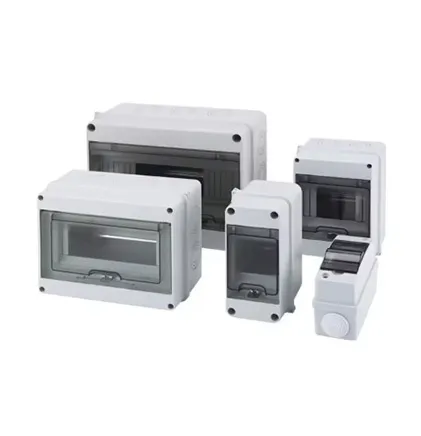
Ever stared at a messy distribution box and felt completely lost? You're not alone. That tangle of wires and mysterious components can intimidate even seasoned DIY enthusiasts. But here’s the thing: knowing your distribution box accessories isn’t just for electricians—it’s crucial for anyone dealing with residential and commercial building materials or managing electrical equipment and cable sales . Whether you're upgrading your home or sourcing supplies as a distributor, understanding these 15 key accessories will transform confusion into confidence. Let’s crack open the box and make sense of what’s inside.
Your distribution box is the nervous system of any building’s electrical setup. Neglect it, and you’re risking everything from flickering lights to catastrophic failures. These accessories ensure reliability for lighting fixtures , HVAC systems, and sensitive electronics. Forget one critical component, and suddenly your smart home isn’t so smart anymore.
| Accessory Type | Core Function | Critical For | Safety Rating |
|---|---|---|---|
| Circuit Breakers | Overload protection | Residential & commercial spaces | UL 489 |
| Surge Protectors | Voltage spike defense | Smart homes/data centers | UL 1449 |
| Ground Fault Indicators | Leakage current detection | Wet locations (bathrooms/pools) | IEC 61557 |
The heartbeat of your electrical system. When a circuit overloads (like running too many high-wattage appliances), breakers snap off faster than you can say "power surge." Modern versions integrate seamlessly with building automation systems—crucial for commercial setups using commercial lighting networks.
Think of these as electrical freeways. Copper or aluminum channels distribute current without messy wiring nests. For large-scale operations using whole-house customization , modular busbars allow flexible expansions. Pro tip: Always spec corrosion-resistant coatings in humid climates.
Ever seen water drip near wires? That’s a disaster brewing. Cable glands seal entry points against moisture and dust—non-negotiable for outdoor panels or industrial sites sourcing electrical equipment . Metal variants handle extreme temps; nylon works for standard indoor use.
These metal tracks mount components like surge protectors and transformers neatly. No more dangling modules! Bonus: They simplify upgrades—slide old devices out and new ones in. If you manage wall materials logistics, note that DIN-compatible gear ships faster with standardized fittings.
A manufacturing plant ignored ground fault monitor replacements in their distribution panels. When a minor leakage occurred near metal machinery, the entire line electrocuted three workers. Forensic analysis showed the missing $35 accessory could’ve saved lives and $2M in lawsuits. Safety accessories aren’t optional—they’re ethical necessities.
| Accessory | Traditional Use | Smart Building Role | Integration Tip |
|---|---|---|---|
| Power Meters | Track kWh usage | Predict maintenance via AI analytics | Use Modbus protocol for BMS compatibility |
| Remote Monitoring Modules | Alarm during outages | Send real-time data to facility managers’ phones | Pair with IoT platforms like Siemens MindSphere |
These modules transform passive panels into active diagnostic hubs. When wiring integrated ceiling systems or commercial flooring systems , smart accessories prevent construction rework by catching faults early.
Recommend Products












