
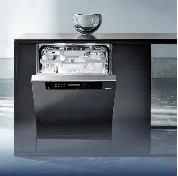
Walk into any modern kitchen today, and you'll likely find a dishwasher humming away—a workhorse that saves hours of scrubbing and keeps countertops clutter-free. But here's the thing: even the fanciest, most high-tech dishwasher is only as good as the parts you can't see. We're talking about dishwasher pipe fittings—the unsung heroes that connect your appliance to water lines, drains, and everything in between. They might not get the same attention as sleek cabinetry or smart touchscreens, but get them wrong, and you could be dealing with leaks, water damage, or a dishwasher that just… doesn't work. So let's dive in: what are these fittings, why do they matter, and how do you choose the right ones for your home or business?
Let's start with the basics. Dishwasher pipe fittings are the small but mighty components that create a watertight connection between your dishwasher and your home's plumbing system. Think of them as the "middlemen" that let clean water flow into the dishwasher for washing and dirty water flow out into the drain afterward. Without them, your dishwasher is just a fancy metal box taking up space under the counter.
Not all fittings are created equal. Here are the main types you'll encounter, each with a specific job:
You might be tempted to grab the cheapest fittings at the hardware store and call it a day. But trust us—skimping here can cost you big time. Let's break down the risks of choosing the wrong ones:
A leaky fitting might start as a tiny drip, but over time, that can turn into mold growth, rotted cabinets, or even damaged flooring. Imagine coming home to a puddle under your sink and a $5,000 repair bill—all because of a $10 hose that cracked. Not worth it.
If your inlet hose is too narrow or kinked, the dishwasher might not get enough water, leaving dishes dirty. A clogged drain hose? Your dishwasher could leave standing water at the bottom, forcing you to rewash or hand-wash. Either way, you're wasting energy, water, and patience.
Cheap plastic fittings can degrade quickly, especially if they're exposed to hot water or harsh dishwasher detergents. You'll end up replacing them every year or two, which adds up. Quality fittings, on the other hand, can last a decade or more.
Dishwasher pipe fittings come in a range of materials, each with pros and cons. The right choice depends on your kitchen setup, budget, and how much wear and tear the fittings will face. Let's compare the most common options:
| Material | Best For | Pros | Cons |
|---|---|---|---|
| PVC (Polyvinyl Chloride) | Residential kitchens, cold water lines | Cheap, lightweight, corrosion-resistant | Not great for hot water; can crack in extreme cold |
| PEX (Cross-Linked Polyethylene) | Both hot & cold water lines, tight spaces | Flexible (bends easily!), durable, resistant to freezing | Slightly pricier than PVC; needs special tools to install |
| Copper | High-end homes, areas with strict plumbing codes | Long-lasting (50+ years!), heat-resistant, looks sleek | Expensive, requires soldering (not DIY-friendly) |
| Stainless Steel | Commercial kitchens, heavy-duty use | Super strong, rust-proof, handles high pressure | Heavy, costly, can be hard to cut |
For most homeowners, PEX or high-quality PVC is a solid bet. But if you're running a restaurant or hotel kitchen—where dishwashers run nonstop—stainless steel might be worth the investment for its durability.
A family of four's dishwasher needs are way different from a busy restaurant's. Let's see how fittings change between these two worlds:
In homes, space is often tight under the sink, so flexible hoses (like PEX) and compact elbows are key. You'll also want easy-to-install options—no need for professional tools if you're handy. For example, a basic PVC drain hose with a spring clamp works great for a standard home dishwasher. And since home dishwashers run less frequently, you can get away with mid-range materials without sacrificing longevity.
Restaurants, hotels, and catering kitchens run dishwashers multiple times an hour, with high-temperature water and heavy water pressure. That means fittings need to be tough. Stainless steel drain lines and brass valves are common here—they can handle the heat and constant use without cracking. Commercial setups also often require larger diameter hoses to move more water quickly. For example, a hotel kitchen might use a 1.5-inch drain hose instead of the standard 1-inch hose in homes.
This is where working with a one-stop architectural solution provider like Coloria comes in handy. They understand the unique needs of both residential and commercial projects, offering everything from basic PVC fittings for homes to industrial-grade stainless steel options for hotels—all under one roof.
Ready to pick fittings for your dishwasher? Don't stress—follow these steps, and you'll be good to go:
Your dishwasher's manufacturer knows best. The manual will list the recommended hose diameter, fitting types, and even maximum water pressure. Ignore this, and you might void your warranty!
Crawl under your sink with a tape measure. How much room do you have between the dishwasher and the water valve? If it's tight, you'll need flexible hoses or angled elbows to avoid kinks. Kinks = restricted water flow = a sad, inefficient dishwasher.
Is your water hard? (Lots of minerals?) Hard water can corrode metal fittings over time, so plastic or PEX might be better. If you live in an area with freezing winters, make sure outdoor lines (if any) are insulated or use frost-resistant materials like PEX.
Look for fittings certified by organizations like NSF (National Sanitation Foundation) or ASTM. These labels mean the product has been tested for safety and performance. For example, NSF-certified gaskets are guaranteed not to leach harmful chemicals into your water.
This might be the most important step. A reliable supplier won't just sell you fittings—they'll help you pick the right ones for your project. For homeowners and contractors in Saudi Arabia, partnering with a local expert like Coloria—a trusted Saudi Arabia building materials supplier with decades of experience in the region—can make all the difference. They understand local plumbing codes, stock hard-to-find parts, and can even offer installation advice.
Even the best fittings need a little TLC. Here's how to keep them in top shape and fix common issues:
Every few months, peek under the sink. Look for drips, cracks in hoses, or loose clamps. If you spot mold or a musty smell, that's a red flag—check those gaskets! Also, run hot water through the dishwasher before a cycle to warm up the hoses (cold water can make them brittle over time).
If you find a leak:
A clogged drain hose can leave water in the dishwasher. Try this: disconnect the hose, stick a wire hanger (unbent!) through it to dislodge food scraps, then flush with hot water. For tough clogs, use a plumbing snake or a baking soda-vinegar mix (1 cup baking soda + 1 cup vinegar, let sit 15 minutes, then flush with hot water).
Like everything else in home tech, dishwasher fittings are evolving. Here's what to watch for in the next few years:
Imagine a fitting that sends an alert to your phone if it detects a leak. Some companies are already making these—they can even shut off the water automatically to prevent damage. Perfect for frequent travelers or busy families!
With sustainability top of mind, we'll see more fittings made from recycled plastics or biodegradable materials. Coloria, for example, has doubled down on green building solutions, aligning with global "net-zero" goals—so you can choose fittings that are good for your kitchen and the planet.
As kitchens become more open and minimalist, fittings are getting smaller and more discreet. Think low-profile valves and hoses that blend into cabinetry—no more ugly pipes ruining your design vibe.
At the end of the day, dishwasher pipe fittings might not be the sexiest part of your kitchen, but they're the backbone of a functional, stress-free space. Whether you're remodeling your home, outfitting a restaurant, or building a hotel, choosing the right fittings saves you time, money, and headaches down the line.
And remember—you don't have to do it alone. Working with a one-stop architectural solution provider like Coloria means you can get all your kitchen plumbing needs (fittings, hoses, even the dishwasher itself!) from a single source. No more running between suppliers or guessing if parts are compatible. Just expert advice, quality products, and peace of mind.
So next time you fire up the dishwasher, take a second to appreciate those hardworking fittings. They might be out of sight, but they're definitely not out of mind—especially if you want clean dishes and a dry, happy kitchen for years to come.
Recommend Products












