
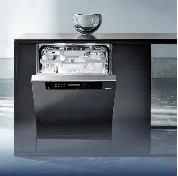
Remember scrubbing dishes till your hands pruned? Those days are vanishing faster than leftover takeout. Modern dishwashers aren't just about cleaning plates—they're sophisticated systems that save water, guesswork, and precious time. The leap from basic rinse cycles to precision-engineered cleaning is one of home tech's quiet revolutions.
Why does this matter? Because these innovations tackle real headaches:
Manufacturers have moved beyond horsepower claims to design intelligent solutions that adapt to our lives—not the other way around.
Traditional two-rack systems forced compromises—wobbly wine glasses rubbing against cutting boards, or skillets monopolizing the bottom tier. Multi-tier washing flips this script with modular rack designs that actually think about how we live .
Bosch's new ProFlex™ rack system embodies this shift. Instead of flatware slots at the bottom, a pull-out tray fits between tiers to hold cooking tools vertically. It’s like Tetris for dishwashing—finally making efficient use of every cubic inch.
For families, this isn’t just convenient—it transforms dish-loading from a puzzle to something resembling actual organization. Imagine fitting baby bottles, blender parts, and dinner plates without strategic rotations. And since kitchen appliances should simplify routines, not complicate them, this upgrade matters.
That moist, plastic-smelling fog inside closed dishwashers? It’s not just annoying—it breeds bacteria. Traditional heated drying consumes extra power while trapping steam. Auto-open drying technology solves this elegantly:
| Traditional Drying | Auto-Open Drying | |
|---|---|---|
| Method | Electric coils heat air | Door pops open post-cycle |
| Energy Use | 15-20% of cycle energy | Near zero |
| Drying Time | 45-60 minutes | 20-30 minutes |
| Sterilization | Partial | Complete (fresh airflow) |
How it works: Sensors detect when rinse water cools below 130°F. At that moment, a latch releases to crack the door 2-3 inches. Natural convection pulls steam out while introducing dry room air. It’s simple genius—letting physics do the heavy lifting.
For renters or small kitchens, models like GE's Adora™ series integrate this silently. No giant “THUNK” when it opens—just dishes ready faster without that damp-film texture we all hate.
Ever run the heavy cycle only to realize those were just dessert plates? Soil detection sensors eliminate the waste—of water, time, and detergent—using optical tech:
Infrared beams pass through wash water. Cloudier water = more suspended food particles. Microprocessor algorithms adjust cycle parameters in real-time: extending scrub time for stubborn grease or dialing back heated dry for delicate items.
Results speak for themselves:
KitchenAid's Smart Wash™ even learns preferences over time. After a month, it anticipates your baking-heavy weekends versus weeknight salad days. For sustainable home builds using eco-friendly building materials , such precision aligns with wider resource conservation goals.
These aren't just specs on a box—they translate to tangible lifestyle upgrades:
The quiet winner? Time saved. Less rearranging, no rewashing, zero towel-drying. That’s 30 minutes per day reclaimed—170 hours annually. Now that's innovation you can measure in movie nights and morning coffees.
Recommend Products












