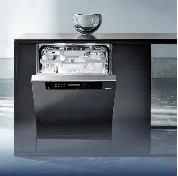
Your complete roadmap to finding the perfect cleaning companion for your kitchen
Let's face it - doing dishes is nobody's idea of a good time. That pile of plates and cups after dinner? Pure dread. But what if I told you the solution isn't magic, but a shiny new dishwasher? In 2025, dishwashers have evolved from clunky water-guzzlers to sleek, eco-friendly machines that'll make you wonder how you ever lived without one.
You're probably wondering: "How much will this life-changing appliance really cost me?" That's exactly what we're diving into today. We'll break down everything from budget-friendly finds to premium luxury models, plus all the hidden costs most people forget about until it's too late.
Here's a golden nugget upfront: The average lifespan of modern dishwashers is about 9 years. That means spending an extra $200 now could cost you just pennies per day over its lifetime. Worth thinking about when comparing prices!
These are what most folks picture when they think "dishwasher." They slide right under your counter like they've always belonged there. In 2025, you're looking at:
Budget Range ($400-$700): Gets the job done with 4-5 basic cycles. Perfect if you just need clean dishes without bells and whistles.
Mid-range ($700-$1,200): Where the sweet spot lives. Quieter operation, better drying, and usually that magical third rack for utensils.
Premium ($1,200-$2,500): Think restaurant-level cleaning with features like specialized crystal cycles and smartphone controls.
For smaller kitchens or apartments where every inch counts. About 18 inches wide instead of the standard 24. They'll run you $500-$1,100 depending on features. The Midea MDF18A1AST is a crowd favorite at around $650 - quiet enough that your neighbors won't hear it.
Game-changers for renters or tiny spaces. Just hook up to your faucet when needed. The Danby DDW631SDB ($350-$450) holds six place settings - that's plenty for a couple or small family. No permanent installation means you can take it when you move.
These roll to your sink when needed then tuck away. Expect to pay $500-$900. Handy if you can't modify your kitchen but want full-size cleaning power.
Noise Level: 39dB vs. 55dB is like comparing a library whisper to a loud conversation. Quieter models add $100-$300.
Energy Efficiency: Energy Star models cost more upfront but save $35+/year on utilities.
Smart Features: Control from your phone adds $150-$300 but can alert you to issues.
️ Third Racks: That extra utensil tray? Worth every penny - adds $100-$250.
Advanced Drying: Tech like Bosch's CrystalDry adds $200+ but eliminates towel drying.
Specialized Cycles: Baby bottle sanitize or wine glass polishers add $75-$150.
That quiet 39dB dishwasher? That means you can run it while binge-watching your favorite show without cranking the volume. For apartment dwellers or open-plan homes, this is worth stretching your budget.
Cost Range: $900-$1,100
The Scoop: This is that friend who's great at everything without showing off. So quiet (44dB) you'll check if it's running. The adjustable third rack? Brilliant for oddly-shaped items.
Library-quiet operation
Cleans even baked-on gunk effortlessly
Flexible rack system
CrystalDry still leaves droplets
Premium price tag
Cost Range: $550-$650
The Scoop: For those who want clean dishes without emptying their wallet. Does the basics well with enough room for family-sized loads. Great starter dishwasher.
Easy on your budget
Spacious interior design
Reliable performance
No fancy glassware cycle
Average noise level
Cost Range: $1,000-$1,300
The Scoop: Your tech-loving friend's dream. Control it via phone, get cycle updates, and enjoy that auto-open door that dries dishes fast. At 39dB, it's library-quiet.
Whisper-quiet 39dB operation
Smart features galore
Excellent drying system
Wide tine spacing wastes space
Premium pricing
That shiny new dishwasher price tag? It's just the start. Here's what else to budget for:
Simple swap? Maybe $50-$150. But if you need new plumbing or electrical? Suddenly you're looking at $200-$500. Pro tip: Check your setup BEFORE buying.
2025's Energy Star models use about 240 kWh/year ($35 in electricity). Older models? Up to 500 kWh ($70). That $150 premium model pays for itself in 4 years!
When selecting modern kitchen appliances , consider how your dishwasher integrates with your overall cooking space layout and cabinetry, especially for built-in models requiring precise dimensions.
2025's energy rebates are legitimately fantastic:
September-January are when manufacturers roll out new models. Last year's stock gets discounted 20-40%. Black Friday isn't just hype - we saw legit $200-off deals.
Here's an insider move: Ask retailers about "open box specials." These are returns with zero issues but get discounted 20-30%. Our editor scored a $900 Bosch for $650 this way!
Want to squeeze every year from your investment? Follow these pro tips:
Monthly Cleaning: Remove and rinse that filter! 5 minutes prevents stinky surprises.
Seal Check: Wipe the door gasket monthly - cracked rubber means leaks.
Jet Clean: Pop out spray arms every 3 months and clear clogs with a toothpick.
Deep Clean: Run an empty cycle with dishwasher cleaner monthly.
Salt Refill: If you have hard water, refill the softener every 2 months.
Budget $20/year for cleaners and filters. That's cheaper than $150 service calls!
Choosing a dishwasher in 2025 is about balancing your needs with your budget. Whether it's a $400 basic model or a $2,000 smart machine, there's something for everyone. Remember to factor in hidden costs like installation and energy use.
At the end of the day, the best dishwasher is the one that fits YOUR life. For apartment dwellers, that countertop Danby might be perfect. For big families? That Bosch with the massive capacity. Don't get swayed by fancy features you'll never use.
Your perfect dishwasher is out there waiting to make your evenings just a little bit easier - fewer dishes means more time for what actually matters. Happy dishwashing!
Recommend Products