


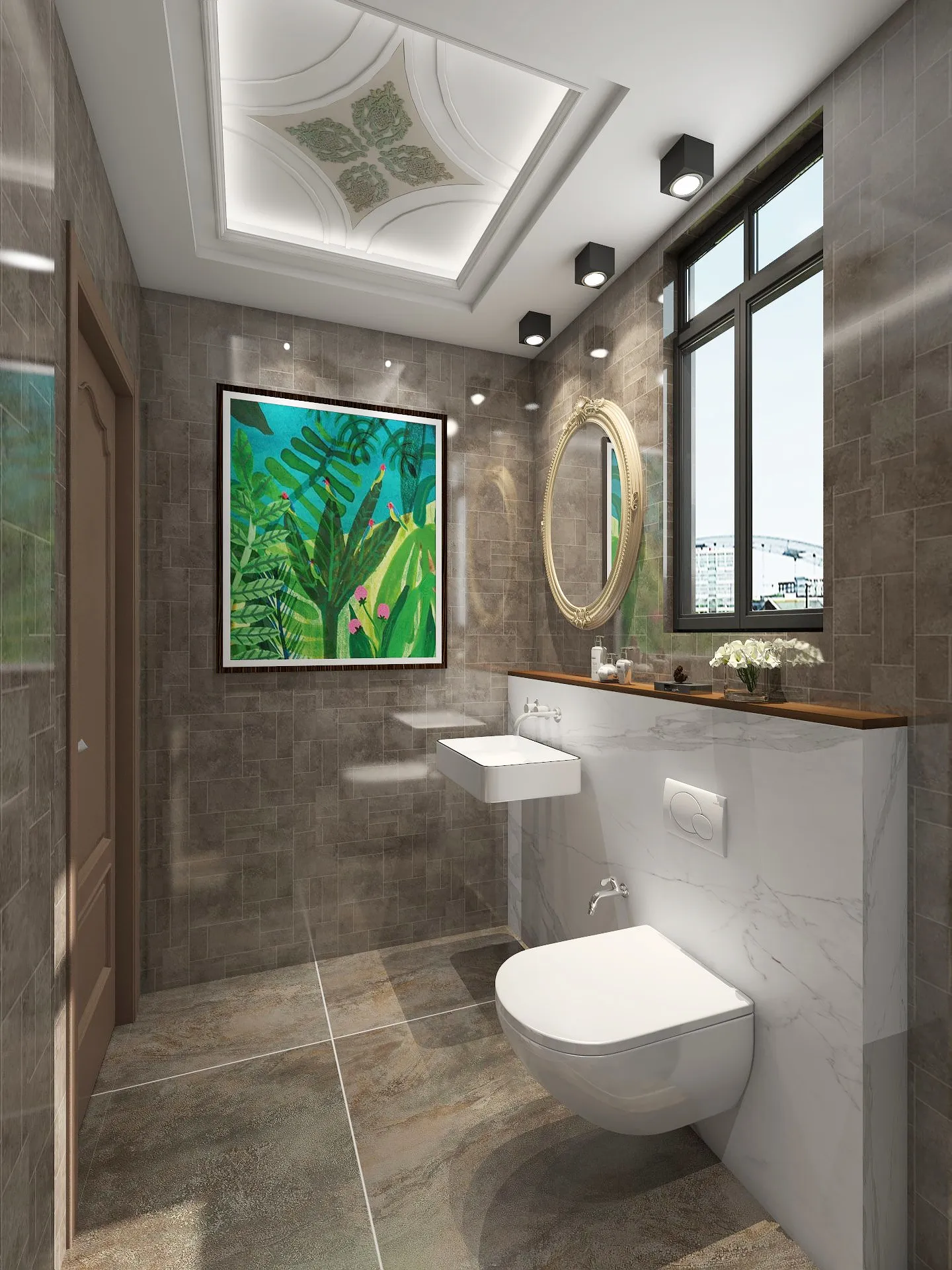
Acrylic bathroom sinks are like the unsung heroes of modern bathrooms – resilient yet vulnerable to daily wear and tear. Their repair isn't just about fixing cracks; it's a scientific dance between material plasticity and practical craftsmanship.
Picture your morning routine: toothpaste splatters, dropped hairbrushes, scalding water temperatures. These common bathroom rituals test the limits of acrylic's molecular structure. The beauty of acrylic lies in its plasticity – that unique ability to absorb impact without shattering like porcelain or ceramic. But what happens when this flexibility meets its breaking point?
The Molecular Ballet of Acrylic
At its core, acrylic is a polymer chain with remarkable memory. When heated during manufacturing, these chains align into a crystalline structure. This explains why:
- Thermal responsiveness makes minor scratches self-heal with warm water exposure
- Plastic deformation allows reshaped dents to regain original contours
- Cross-linking density determines impact resistance (typically 5-7 kJ/m²)
Laboratory flexural strength tests reveal fascinating data – acrylic repairs achieve 27-43 MPa strength compared to virgin material's 156 MPa. Microwave-cured repairs outperform chemical polymerization by 600%, proving curing method dramatically impacts molecular rebonding.
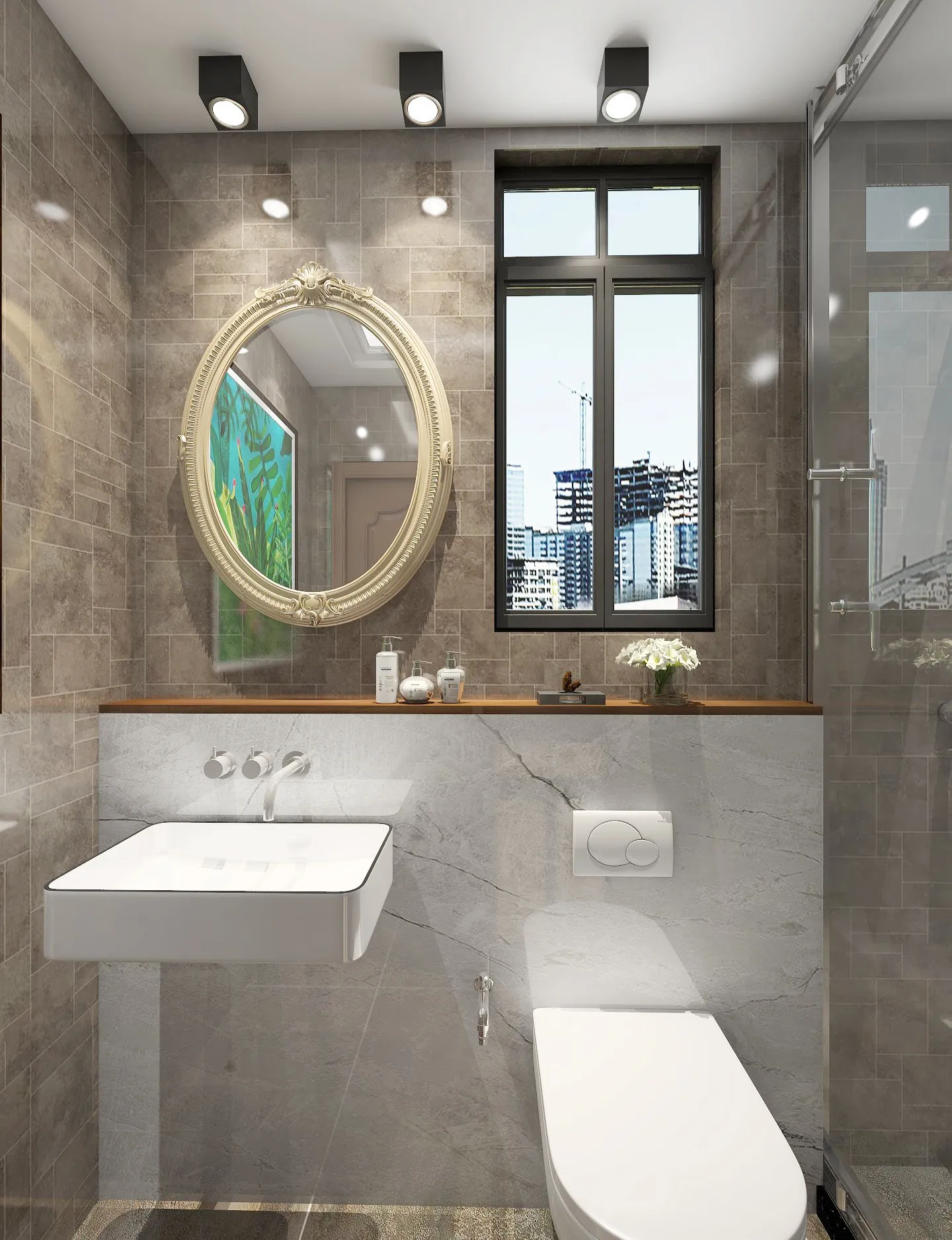
Beyond Cosmetic Flaws
The UV Betrayal
Sunlight transforms glossy surfaces into yellowed relics through photo-oxidation. South-facing bathrooms experience polymer degradation 3x faster – a chemical chain reaction that embrittles the material from within.
Micro-Fracture Domino Effect
That hairline crack near the drain isn't just surface-level. Acrylic's layered construction means 0.5mm surface damage often hides 2-3mm subsurface fracturing. Left untreated, these become capillary channels for water infiltration.
Chemical damage follows predictable patterns: toothpaste fluoride creates etch marks, hair dye forms covalent bonds with polymer chains, and acidic cleaners initiate hydrolysis at stress points.
The Artisan's Toolkit
Modern repair transcends basic patch jobs. The true craftsman approaches acrylic repair with surgeon's precision:
Micro-Restoration Protocol
Fracture Mapping using dye penetrants reveals hidden damage patterns, similar to non-destructive testing in aerospace
Molecular Prep involves solvent welding – MMA monomer partially dissolves surface polymer for seamless integration
Thermal Reboot utilizes controlled infrared heating (120-140°F) to activate shape memory before curing
Innovative nanocomposite fillers containing environmentally friendly building materials like silica nanoparticles now achieve 89% original strength – outperforming traditional epoxy blends while reducing environmental impact.
The Plasticity Preservation Framework
Preventative care extends beyond cleaning – it's strategic material preservation:
Phase 1: Barrier Creation
Carnauba-based nano-coatings fill surface micropores creating hydrophobic shields
Phase 2: Stress Distribution
Undermount installation dissipates impact forces through cabinet framing
Phase 3: Structural Monitoring
Thermal imaging scans during seasonal changes detect developing stress zones
Daily maintenance rituals matter: microfiber cloths instead of sponges, pH-neutral cleaners only, and immediate blotting of pigments (coffee, wine, cosmetics) prevents covalent bonding with the polymer matrix.
Historical Sink Rehabilitation
Consider a 1980s acrylic sink with UV damage, stress cracks, and mineral deposits:
Surface de-yellowing with hydrogen peroxide gel under UV lamps
Micro-crack infusion using low-viscosity acrylic resin via capillary action
Structural reinforcement with Kevlar mesh backing on mounting points
Post-restoration spectrometry showed 94% color match and flexural strength within 15% of original specifications – proving vintage acrylic's remarkable redeemability.
Acrylic's Eternal Promise
The enduring magic of acrylic washbasins lies not in perfection, but in redemption. Every scratch tells a story, every repair a testament to material science meeting human ingenuity. As we push the boundaries of polymer technology, acrylic evolves from disposable fixture to heirloom surface – capable of outliving its original installation through thoughtful stewardship.
In bathroom sanctuaries worldwide, these resilient surfaces whisper an essential truth: plasticity isn't weakness, but the quiet strength to absorb life's impacts and emerge transformed.










