


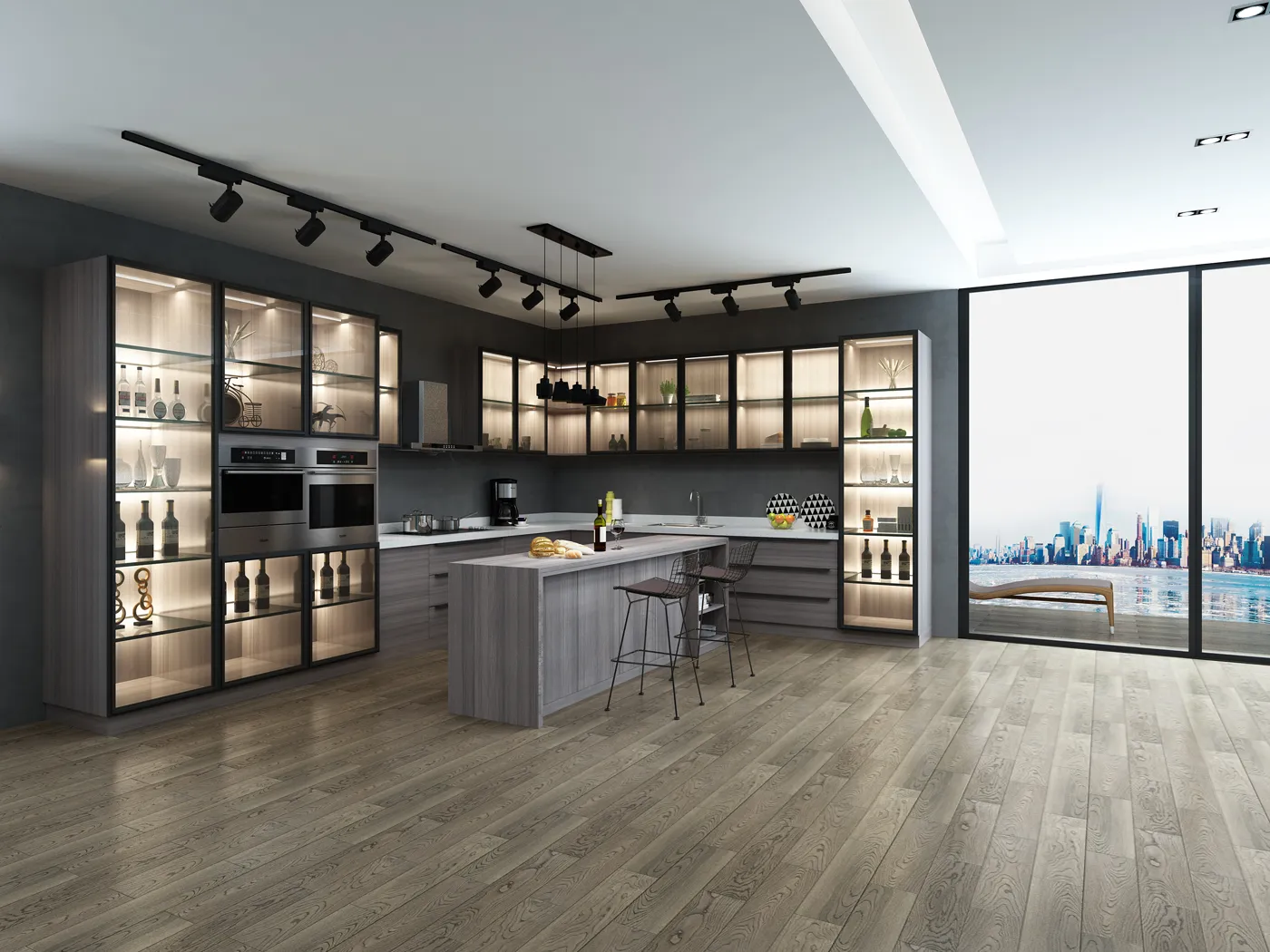
Let's talk about something we all interact with daily but rarely consider at the end of its lifecycle: kitchen cabinets. When we rip out those old oak cabinets during a renovation, where do they actually go? What happens when perfectly good materials meet the dumpster? This isn't just about decluttering our kitchens—it's about redesigning our relationship with waste in an era where "out of sight, out of mind" just doesn't cut it anymore.
The Hidden Mountain in Our Kitchens
Kitchen remodels generate staggering amounts of waste. The Environmental Protection Agency estimates that over 250 million tons of renovation debris enter landfills annually in the US alone. Cabinets often form the bulk of this mountain—solid wood, plywood, laminates, and hardware that took decades to grow but mere minutes to discard. Yet when we look at that pile of discarded cabinets, we're seeing more than trash; we're seeing unrealized potential.
Have you ever paused during a kitchen renovation to wonder where those old cabinets will end up?
What emotional connections do we form with spaces we've cooked and gathered in for years?
The lifespan mismatch is jarring: quality cabinets can last 50 years, but the average kitchen remodel happens every 15. That means perfectly functional materials get discarded halfway through their potential life. Even worse, traditional disposal methods—dumping, burning, or downcycling into low-value products—ignore the embodied energy and craftsmanship in each cabinet door and frame. These materials deserve what I call a "dignified retirement."
Breathing New Life into Old Wood
Reimagining cabinet waste starts with recognizing its inherent value. Solid wood cabinets contain high-quality timber that furniture makers and artisans crave. Organizations like the Building Materials Reuse Association connect homeowners with salvage companies that carefully remove and redistribute cabinets to:
- Community housing projects (low-income families get quality cabinetry)
- Artist collectives (transforming doors into canvases)
- Maker spaces (creating bespoke furniture from deconstructed frames)
The Art of Deconstruction
Unlike demolition crews with sledgehammers, professional deconstruction teams approach cabinets like surgeons rather than butchers. I've watched crews methodically:
- Photograph and label components before removal
- Use specialized tools to preserve joinery
- Sort materials by reuse potential
- Catalog hardware for resale marketplaces
This careful approach maintains up to 85% of the material value compared to 15% from conventional tear-outs. In Portland, the nonprofit ReBuilding Center processes over 200 cabinet sets monthly, diverting them from landfills to become someone else's dream kitchen.
Beyond Recycling: The Circular Cabinet Economy
True sustainability goes beyond recycling bins. The future lies in designing cabinets specifically for disassembly and reuse—what industry leaders call "circular cabinetry." Imagine cabinets built with:
What if you could return cabinets to manufacturers like bottles for deposit?
Could sentimental attachment to kitchen spaces transform how we value materials?
- Reversible joinery instead of glue
- Modular components that snap together
- Standardized sizing for easy reconfiguration
- Digital material passports embedded in QR codes
Forward-thinking manufacturers are already piloting cabinet leasing programs where you "borrow" cabinetry for 10-15 years before returning it for refurbishment. This shift transforms waste into a resource stream, creating local green jobs in repair and remanufacturing—a true win for communities and ecosystems.
Radical Upcycling: When Waste Becomes Art
Some cabinet waste defies conventional recycling but ignites creative reinvention. Across makerspaces worldwide, discarded cabinets undergo astonishing transformations:
- Cabinet doors becoming acoustic panels for restaurants
- Laminated surfaces repurposed as durable playground equipment
- Wood fibers compressed into wall insulation
- Hardware reconfigured as industrial-chic lighting
This includes integration with other sustainable building methods, such as using composite materials made from recycled cabinets in green and environmentally friendly building materials that prioritize sustainability throughout their entire lifecycle.
The Emotional Dimension
When Sarah Thompson donated her mother's 1960s cherry cabinets to a community kitchen project, she didn't just divert waste—she extended a family legacy. "Knowing Mom's kitchen now feeds families at a youth center," she shared, "makes the renovation feel sacred rather than wasteful." This emotional resonance represents the untapped power of sustainable disposal.
Rethinking Responsibility
While individual actions matter, systemic change requires policy shifts. Municipalities from San Francisco to Amsterdam now mandate deconstruction for pre-1970 buildings, creating local reuse economies. Extended Producer Responsibility (EPR) legislation could make cabinet manufacturers accountable for end-of-life management—much like Europe's electronics recycling laws.
Should disposal costs be built into cabinet pricing like a bottle deposit?
What role should nostalgia play in sustainable design?
Meanwhile, digital platforms are democratizing redistribution. Apps like "Cabinets to Community" match renovation projects with nearby affordable housing developers in real-time. One Seattle remodeler even installs temporary cameras to stream the cabinet removal process to adoptive families—turning waste streams into storytelling opportunities.
A New Kitchen Ethic
The journey from dumpster-bound to community asset begins with mindset shifts. We must view kitchen cabinets not as disposable products but as material libraries serving temporary purposes. Each hinge contains embodied carbon; each panel represents captured sunlight; each screw holds construction history.
By adopting sustainable disposal practices:
- Architects specify disassembly-ready cabinetry
- Contractors train in deconstruction techniques
- Homeowners prioritize reuse over replacement
- Municipalities create reuse infrastructure
Collectively, we can transform kitchen remodels from waste generators into resource generators. The solutions exist—what's needed is the collective will to see cabinets not for what they were, but for what they could become.
Your Turn at the Counter
The next time you consider a kitchen update, pause before calling the demolition crew. Investigate reuse networks in your area. Ask contractors about their deconstruction practices. Consider donating rather than dumping. Because truly sustainable kitchens aren't just about what we install—they're about how we let go.
How might reimagining cabinet disposal change your approach to your next home project?
What conversations about sustainability have you had during kitchen renovations?
Together, we can build a future where beautiful kitchens nourish families without starving the planet. And that's worth talking about over any countertop—whether brand new or lovingly repurposed.










