

If you've ever seen beautiful wood paneling warp, crack, or buckle after just one season change, you've witnessed the heartbreaking reality of dimensional instability. Traditional wood products swell when they absorb moisture and shrink when they dry out. They expand in summer heat and contract in winter cold. The cumulative effect? Gaps, squeaks, and compromised structural integrity.
Enter WPC wall panels – the game-changing solution that solves these age-old problems. As a leading building material supplier specializing in innovative architectural solutions, we've seen firsthand how this technology eliminates the frustration of maintaining traditional wood surfaces.
Dimensional stability isn't just industry jargon – it's the difference between an installation that lasts decades versus one needing constant repairs. Simply put, it measures how consistently a material maintains its original size and shape when exposed to:
Unlike traditional wood that can swell up to 10% across the grain, premium WPC panels typically show dimensional change of less than 0.5% - essentially invisible to the naked eye.
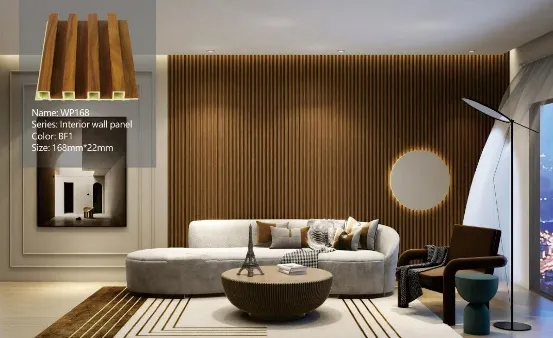
Wood Plastic Composites blend nature's beauty with engineering brilliance. Here's how the magic works:
The Perfect Hybrid: Wood fibers (usually 50-70%) provide structure and natural aesthetics. Thermoplastic polymers (HDPE, PVC, or PP) create a protective matrix. The polymer literally encases wood particles like a protective shield.
Moisture Resistance: Since most water absorption occurs through the porous cell walls of natural wood, the polymer matrix significantly slows down moisture penetration. Independent testing shows WPC absorbs up to 75% less water than untreated wood.
Thermal Stability: Polymers have a much lower coefficient of thermal expansion than wood. When temperatures rise, they expand significantly less than natural lumber. The synergy between wood fibers and plastic creates balanced movement across the panel.
Recent Breakthroughs: Cutting-edge research (like the carbon black network technology ) embeds nano-reinforcements that create rigid networks within the composite. These innovations reduce thermal expansion by another 30-40% compared to earlier generation WPC.
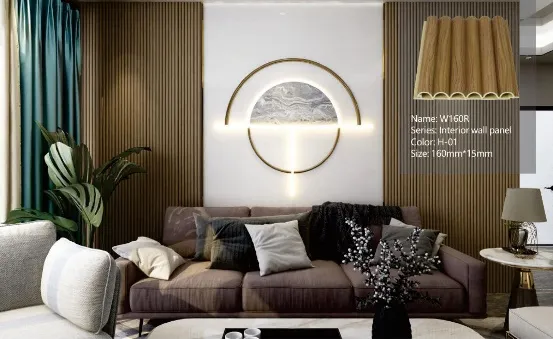
For architects, builders, and homeowners, dimensional stability translates into practical benefits that transform living spaces:
Case in point: An oceanfront restaurant in Miami replaced warped cedar siding with WPC panels. Three hurricane seasons later, the installation remains gap-free and visually perfect.
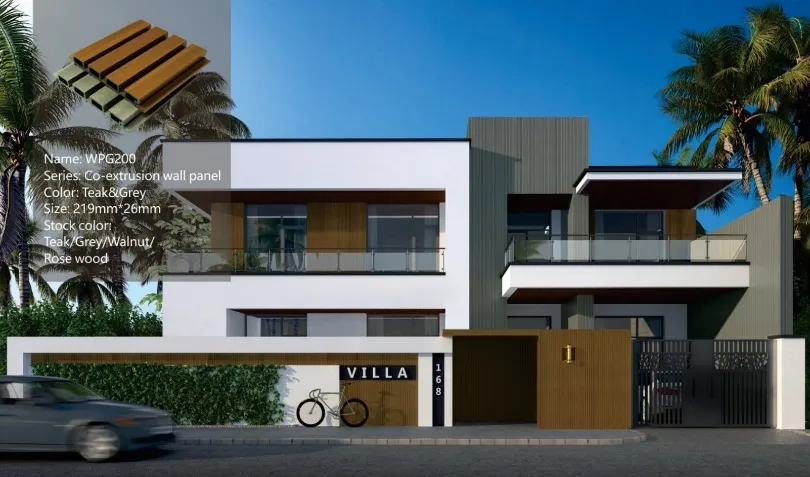
Not all WPC is created equal. Follow these guidelines to ensure peak dimensional stability:
Density Matters: Higher density composites (≥65 lb/ft³) resist deflection better. Test by pressing your thumbnail into the material – minimal indentation indicates proper density.
Polymer Quality: Virgin HDPE polymers outperform recycled content. For critical applications, specify at least 80% virgin material.
Installation Protocol: Even the best panels need proper installation:
Pro Tip: For exterior installations, orient grooved panels horizontally. This directs water runoff away from seams, preventing moisture accumulation at connection points.
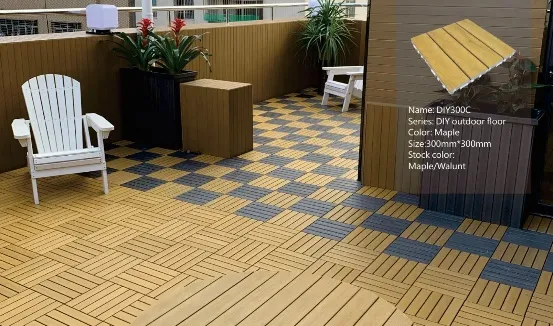
The quest for absolute dimensional stability continues, with three exciting frontiers:
Nano-Reinforcements: Beyond carbon black networks, researchers are embedding graphene and nanoclay materials that create microscopic reinforcement scaffolds within the composite matrix.
Biobased Polymers: New resins derived from plant oils offer improved thermal stability while reducing environmental impact. Early tests show a 20% reduction in expansion coefficients.
Smart Composites: Imagine panels with integrated microcapsules that release stabilizing compounds when they detect humidity spikes or temperature extremes. Lab prototypes already exist.
As leading providers of interior and exterior decoration materials, we're committed to incorporating these innovations into our architectural façade solutions as they mature.
The revolution in dimensional stability isn't just about technical specs – it's about peace of mind. No more planning projects around seasonal movement. No more callbacks for gap correction. Just beautiful, stable surfaces that look perfect year after year.
Whether you're specifying materials for a high-end residential project or selecting solutions for commercial applications that can't afford failures, WPC's dimensional stability delivers both practical functionality and aesthetic excellence. The days of compromising between natural beauty and reliable performance are over.
Recommend Products











