
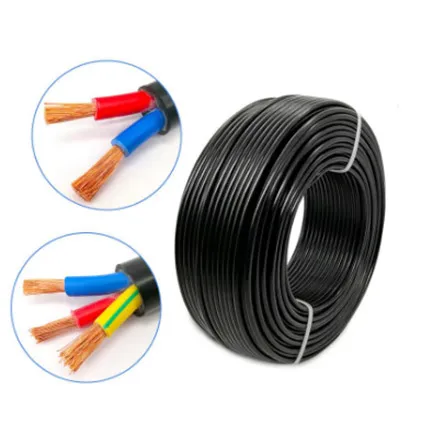
When we talk about building a safe, functional space—whether it's a bustling hospital, a busy school, or a towering commercial complex—there's one component that often stays out of sight but never out of mind: electrical cables. These unsung heroes carry power to every corner of a building, fueling everything from life-saving medical equipment to everyday lighting. But not all cables are created equal. In environments where temperatures soar or fire risks loom, choosing the right high-temperature and fire-resistant cables isn't just a matter of compliance—it's a matter of protecting lives, assets, and peace of mind.
As construction projects grow more complex and safety standards stricter, the demand for reliable, durable cables has never been higher. That's where understanding the nuances of high-temperature and fire-resistant cables becomes critical. Let's dive into the world of these specialized cables, explore their types, applications, and why partnering with a trusted cables supplier matters.
Imagine a busy commercial kitchen in Riyadh, where ovens roar and grills sizzle for hours on end. The cables powering those appliances aren't just dealing with regular room temperatures—they're enduring constant heat, grease, and moisture. Or picture a hospital's intensive care unit: if a fire breaks out, the cables supplying power to ventilators and monitors must keep working long enough for patients to be evacuated. In these scenarios, standard cables would fail, turning a manageable situation into a disaster.
High-temperature cables are designed to withstand extreme heat without degrading, while fire-resistant cables are engineered to maintain circuit integrity during a fire. Both play pivotal roles in ensuring building safety, reducing downtime, and meeting global standards like IEC 60331 (for fire resistance) or NEC Article 310 (for temperature ratings). For projects in regions like Saudi Arabia, where scorching summers and strict safety regulations are the norm, these cables aren't optional—they're essential.
High-temperature cables are defined by their ability to operate reliably at temperatures above the standard 90°C (194°F) range of conventional cables. They're crafted with specialized insulations and jackets that resist melting, cracking, or losing conductivity when exposed to heat. Let's break down the most common types:
Silicone rubber is a go-to material for high-temperature applications, and for good reason. These cables typically handle temperatures from -60°C (-76°F) to 200°C (392°F), making them versatile for both hot and cold environments. Their flexibility is another standout feature—they bend easily, making installation a breeze even in tight spaces like ceiling cavities or behind wall panels.
Where to use them: Kitchens, saunas, industrial ovens, and outdoor lighting in desert climates (think Saudi Arabia's scorching summers). Their resistance to moisture and UV rays also makes them ideal for exterior applications.
For the most extreme heat, fluoroplastic cables—made with materials like PTFE (Teflon), FEP, or PFA—take the crown. PTFE cables, for example, can withstand continuous temperatures up to 260°C (500°F) and short-term spikes to 300°C (572°F). They're also highly resistant to chemicals, oils, and solvents, making them a favorite in labs, chemical plants, and industrial settings.
Tradeoff: They're stiffer than silicone rubber cables, so they're better suited for straight runs rather than tight bends. But when heat and chemical resistance are non-negotiable, they're worth every penny.
Mineral insulated cables are the heavyweights of high-temperature performance. Consisting of a copper or aluminum sheath filled with magnesium oxide (an excellent insulator), these cables laugh in the face of extreme heat—some can handle up to 1000°C (1832°F) for short periods. They're also inherently fire-resistant, which we'll touch on more later.
Perfect for: Critical systems like emergency lighting, fire alarms, and power supply to life-saving equipment in hospitals. Their durability and long lifespan (often 50+ years) make them a smart investment for long-term projects.
| Cable Type | Temperature Range | Key Features | Best For |
|---|---|---|---|
| Silicone Rubber | -60°C to 200°C | Flexible, moisture-resistant, UV-stable | Kitchens, outdoor lighting, saunas |
| PTFE/Fluoroplastic | -200°C to 260°C | Chemical-resistant, extreme heat tolerance | Labs, chemical plants, industrial ovens |
| Mineral Insulated (MI) | Up to 1000°C (short-term) | Fire-resistant, durable, long lifespan | Emergency systems, hospitals, high-risk industrial areas |
A fire in a building is chaotic enough—imagine if the lights went out, elevators stalled, or fire alarms stopped working mid-emergency. Fire-resistant cables are designed to prevent that nightmare. Unlike standard cables, which melt or short-circuit quickly in flames, these cables maintain circuit integrity for a specified time (usually 1–3 hours), giving people time to evacuate and firefighters time to respond.
Flame-retardant cables are the first line of defense. They're treated with chemicals that slow down or stop the spread of fire along the cable. When exposed to flames, they self-extinguish once the fire source is removed, preventing the fire from traveling through the building's electrical system.
Common variants: Low Smoke Zero Halogen (LSZH) cables. These produce minimal smoke and toxic gases when burned—critical in enclosed spaces like schools or underground parking garages where smoke inhalation is a major risk.
For higher fire resistance, cables wrapped in mica tape are a top choice. Mica is a mineral that can withstand temperatures up to 1000°C (1832°F), acting as a barrier between the flame and the cable's core. These cables are often used in power circuits that need to stay operational during a fire, such as emergency lighting and exit signs.
We mentioned MI cables earlier for high temperatures, but their fire resistance is equally impressive. The magnesium oxide insulation doesn't burn, and the metal sheath acts as a physical barrier against flames. In fact, MI cables are often specified in buildings where safety is paramount—hospitals, airports, and high-rise towers.
Let's put this into context with a few examples:
In Saudi Arabia, where building codes align with global standards like BS 6387 (for fire resistance) and local regulations, choosing cables that meet these benchmarks is non-negotiable. That's why partnering with a saudi arabia building materials supplier with deep local expertise can make all the difference in navigating these requirements.
With so many options available, how do you pick the right cable for your project? Here are the top factors to keep in mind:
Start by assessing the maximum temperature the cable will face—both ambient (surrounding air) and operational (heat generated by the cable itself). A cable rated for 125°C won't cut it in a 200°C industrial oven!
Check local codes: Does your project require flame-retardant, fire-resistant, or LSZH cables? For example, Saudi Arabia's civil defense regulations often mandate LSZH cables in public buildings to minimize smoke hazards.
Will the cable be exposed to moisture, chemicals, UV rays, or physical damage? Silicone rubber and fluoroplastic cables excel in harsh environments, while MI cables are tough against physical impact.
Flexibility matters! If you're routing cables through tight walls or ceilings, a stiff PTFE cable might be harder to install than a flexible silicone one. Consider your installer's feedback here.
Navigating the world of high-temperature and fire-resistant cables can feel overwhelming. With so many types, standards, and applications, even seasoned contractors need a little guidance. That's where a one-stop architectural solution provider comes in. Here's why working with a supplier like Coloria makes sense:
At the end of the day, high-temperature and fire-resistant cables are more than just components—they're investments in safety, durability, and the long-term success of your project. Whether you're building a hospital that saves lives or a school that shapes futures, choosing the right cables ensures your building stands strong, even when the unexpected happens.
So, the next time you start a construction project, don't overlook the cables that power it all. Partner with a cables supplier who understands your needs, your environment, and your commitment to safety. After all, when it comes to protecting what matters most, there's no room for compromise.
Recommend Products












