
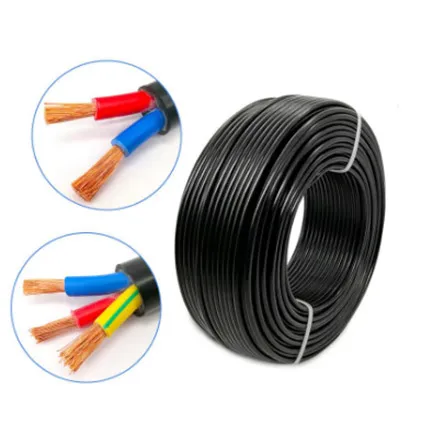
In today's digital age, data centers are the backbone of our connected world—powering everything from cloud storage and streaming services to corporate networks and online transactions. While servers and cooling systems often grab the spotlight, there's one component that quietly holds it all together: cables. These unsung heroes transmit data, power, and signals, making sure every byte of information reaches its destination efficiently and reliably. But not all cables are created equal. The right cable type can mean the difference between seamless operations and costly downtime, especially as data demands grow exponentially. Let's dive into the world of data center cables, explore the most common types, and uncover how to choose the best fit for your infrastructure.
Before we jump into specific cable types, let's pause to understand why choosing the right cable matters. Data centers are high-stakes environments where even a tiny disruption can lead to lost revenue, damaged reputations, or compliance issues. Cables are the nervous system here—they determine how much data can be transmitted (bandwidth), how fast (speed), and over what distance. For example, a mid-sized e-commerce company's data center might need cables that handle sudden traffic spikes during sales events, while a hospital's IT infrastructure requires cables that prioritize reliability to keep patient records accessible 24/7.
Moreover, data centers are evolving. With trends like edge computing, AI, and 5G, the demand for higher bandwidth (think 100G, 400G, even 800G) and denser connectivity is skyrocketing. Outdated cables can become bottlenecks, limiting your ability to scale. That's why investing in the right cables today isn't just about meeting current needs—it's about future-proofing your infrastructure.
Copper cables have been around for decades, and they're still a staple in data centers—especially for short-distance connections (typically under 100 meters). They use copper conductors to transmit electrical signals, and their affordability and ease of installation make them a go-to for many IT teams. Let's break down the most popular copper options:
While copper is cost-effective, it has limitations: it's bulkier, heavier, and can suffer from signal loss over long distances. It also generates more heat, which adds to cooling costs in dense data centers.
If copper is the workhorse, fiber optic cables are the race cars of data transmission. Instead of electrical signals, they use pulses of light to send data, allowing for much higher bandwidth and longer distances. Fiber is thinner, lighter, and immune to electromagnetic interference (EMI)—a game-changer in noisy data center environments. Here are the two main types:
Fiber's main downside? Higher upfront costs for both cables and connectors, plus the need for specialized tools and expertise to install. But for data centers planning to scale, the investment often pays off in the long run.
| Feature | Copper Cables (Cat6a/Cat8) | Fiber Optic Cables (OM4/SMF) |
|---|---|---|
| Max Speed | 40Gbps (Cat8, short distances) | 100Gbps+ (SMF, long distances) |
| Max Distance | 100m (Cat6a), 30m (Cat8) | 550m (OM4, 40Gbps), 10km+ (SMF, 100Gbps) |
| Immunity to EMI | Low (susceptible to interference) | High (no electrical signals) |
| Cost | Lower upfront cost | Higher upfront cost, better long-term value |
| Best For | Short-distance, high-density connections (e.g., server-to-switch) | Long distances, high bandwidth (e.g., inter-data center links) |
Beyond the basics, data centers often rely on specialized cables designed for their unique challenges. These include:
With so many options, how do you pick the right cable for your data center? Here are the critical factors to weigh:
Choosing the right cables is only half the battle—you also need a supplier you can rely on to deliver quality, consistency, and support. That's where a one-stop architectural solution provider like Coloria comes in. With decades of experience in the building materials industry, Coloria isn't just a cable supplier; it's a partner that understands the full lifecycle of data center and commercial building projects.
As a commercial building materials supplier with deep roots in the Middle East (including a dedicated agency in Saudi Arabia), Coloria brings unique advantages to the table. Its global service network ensures that whether you're building a data center in Riyadh or a corporate campus in Dubai, you'll get the same high-quality cables and support. And because Coloria offers one-stop procurement—from cables and electrical fixtures to solar panels and green building materials—you can streamline your supply chain, reduce logistics headaches, and cut costs.
What truly sets Coloria apart is its commitment to sustainability and innovation. In line with Saudi Arabia's Vision 2030 and global "dual carbon" goals, Coloria offers a range of green cables and eco-friendly building materials designed to reduce energy use and carbon footprints. For data centers aiming to be more sustainable, this means cables that are not only high-performance but also aligned with environmental targets.
As data centers evolve, so too will their cables. Here are the trends shaping the future:
Cables might not be the most glamorous part of data center infrastructure, but they're undeniably critical. Choosing the right type—whether copper for short, cost-effective links or fiber for long-distance speed—can future-proof your operations and keep your data flowing smoothly. And when it comes to sourcing these cables, partnering with a supplier that offers expertise, global reach, and a commitment to quality (like Coloria) can make all the difference.
At the end of the day, data centers are about connecting people, businesses, and ideas. And behind every connection is a cable—quietly, reliably, and relentlessly doing its job. So next time you walk through a data center, take a moment to appreciate these unsung heroes. They're the reason the digital world keeps turning.
Recommend Products












