
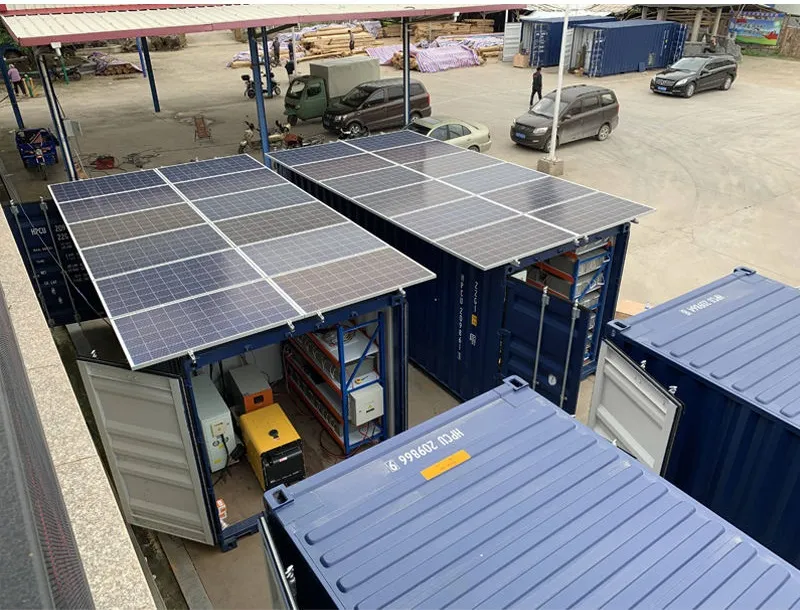
When you're considering solar panels for your home or business, those glossy efficiency ratings on manufacturer brochures tell just part of the story. How do we know these numbers are reliable? That's where third-party solar panel testing laboratories come in. Think of them as the unbiased referees of the solar industry – they verify claims, validate performance, and ultimately decide which panels make the cut for real-world installation.
Let's explore how these independent labs become your secret weapon in navigating the solar market. We'll break down what happens behind those lab doors, why certification matters more than you might think, and how to interpret those test reports that look like they're written in another language.
Picture this: a manufacturer proudly claims their solar panels deliver 400W output. Sounds impressive, right? But without independent verification, that number is essentially handshake promise. This happens more often than you'd think in unregulated markets. Third-party labs change this equation by applying rigorous, standardized testing that separates marketing hype from measurable reality.
What's surprising is how much real-world performance can differ from factory claims. In controlled comparative studies, independently tested panels consistently outperformed uncertified ones by 12-18% after just 18 months of operation. That's electricity you're literally watching evaporate from your rooftop.
The testing process begins even before the panels are manufactured. Labs evaluate cell technology, material specifications, and design blueprints. This preventative approach catches fundamental flaws that might take years to manifest in the field. For manufacturers, it's both a quality assurance checkpoint and an insurance policy against costly recalls.
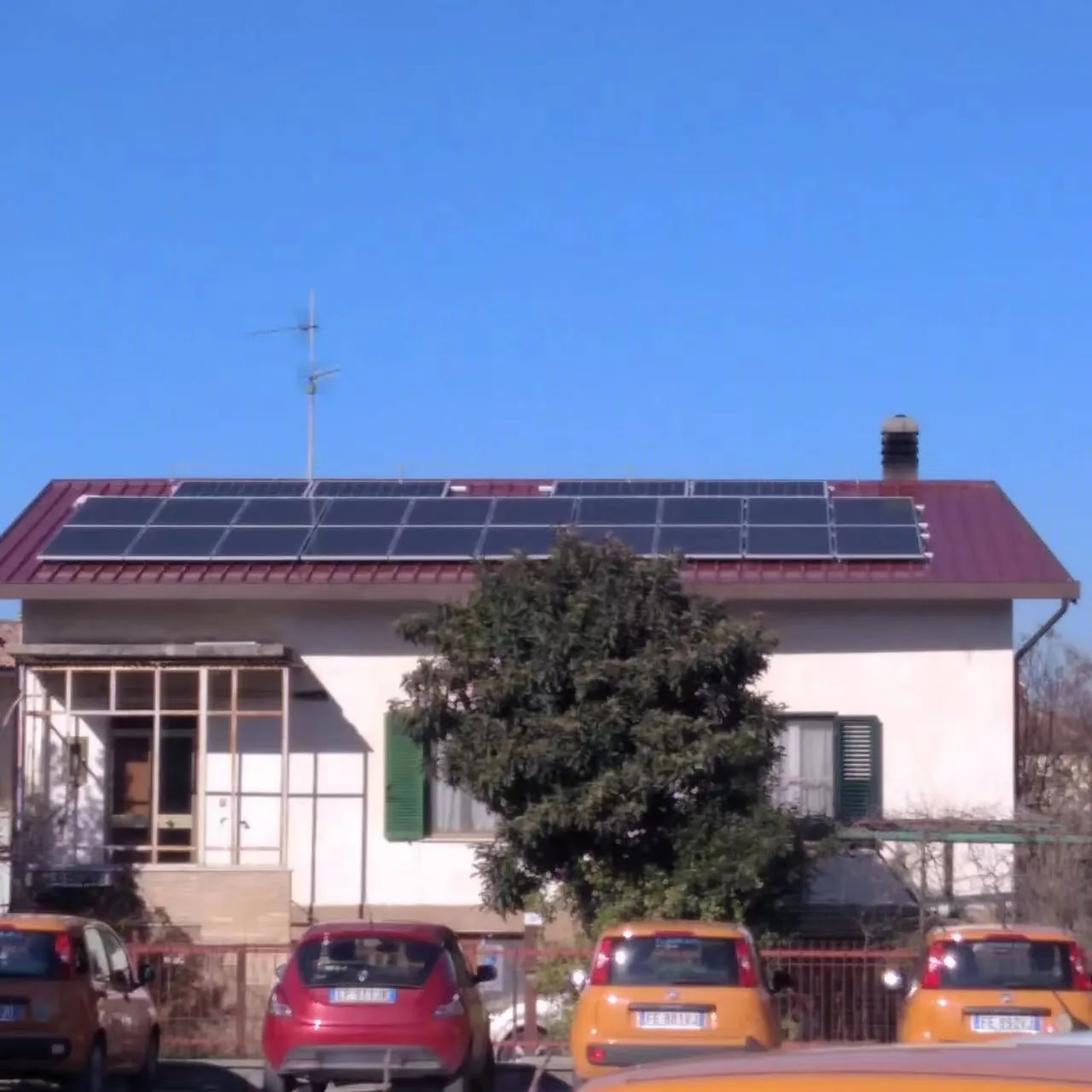
Solar panel testing isn't a single test but a marathon of examinations. Each serves a distinct purpose in uncovering how panels behave under different stressors:
This is where manufacturers' wattage claims face their moment of truth. Under Standard Test Conditions (STC) – precisely 1000W/m² irradiance at 25°C – labs measure actual power output. But experienced testers go beyond textbook conditions. They simulate dawn light (200W/m²), cloudy days (600W/m²), and extreme Arizona heat (45°C+) to map real-world performance.
Imagine if your panels faced 20 years of weather in 30 days. That's what thermal cycling tests achieve. Panels shuttle between -40°C to 85°C hundreds of times. Humidity tests literally bathe panels in steam (85°C at 85% humidity). Mechanical stress tests simulate hurricane winds while hail impact tests recreate golf ball-sized impacts at terminal velocity.
Beyond performance, would your panels protect you during electrical fault or fire? UL 61730 and IEC 61730 certifications test fire resistance, electrical insulation breakdown, and even the safety of metals leaching from damaged panels into soil. These tests often uncover surprising risks like potential-induced degradation (PID) that can silently reduce output by 25%.
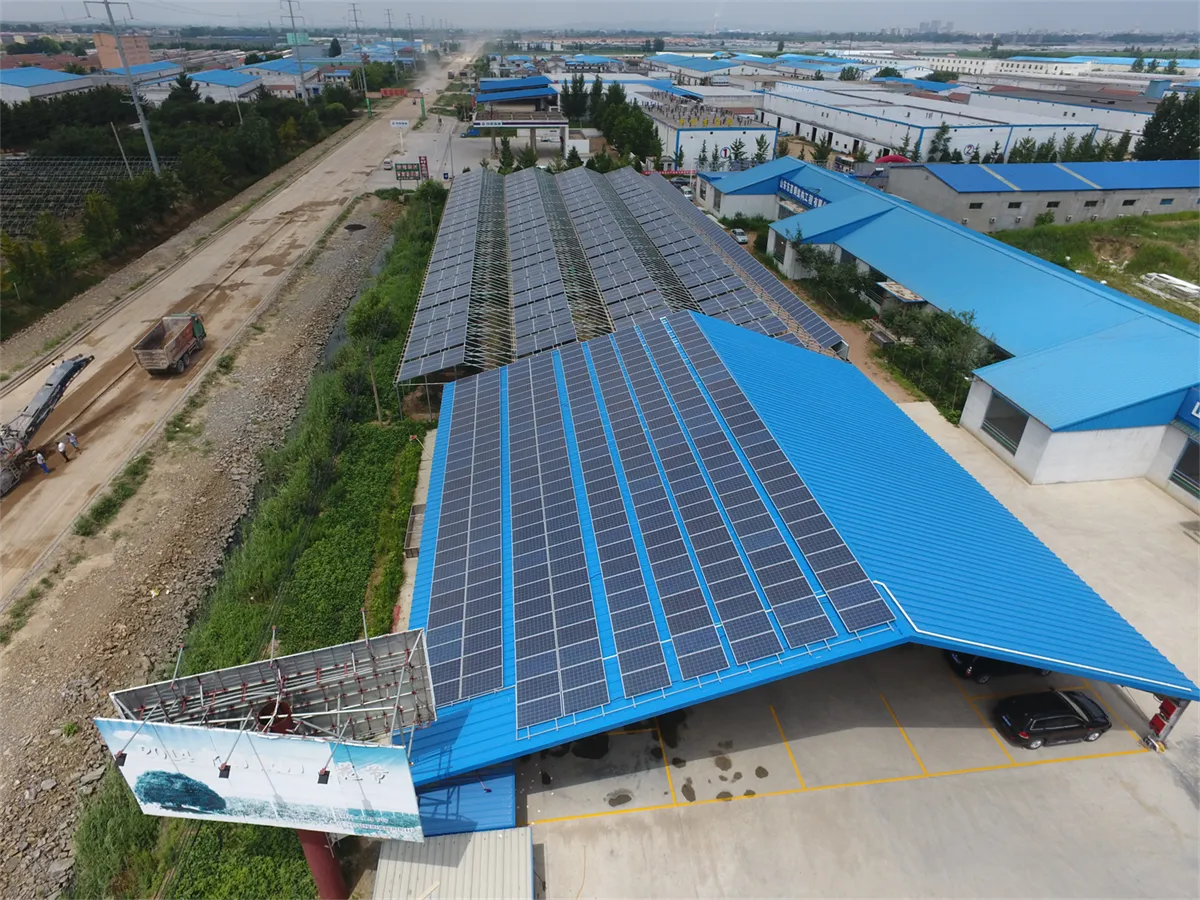
Not all labs operate equally. Gold-standard accreditation comes from ISO/IEC 17025 certification – the testing industry's highest benchmark. This certification requires:
Why does this matter? In recent comparisons, non-accredited labs showed measurement variations up to 9% for the same panel. That uncertainty could cost a commercial installation six-figures in lifetime revenue.
An essential element that often gets overlooked in test results is the environmental solar panels impact – from sourcing raw materials to managing panels at end-of-life. Responsible manufacturers now demand lifecycle analysis from labs to assess their environmental footprint holistically.
Standard Test Conditions provide valuable comparison benchmarks but represent just one snapshot under perfect skies. Progressive labs now run three critical simulations:
How do panels perform in Minnesota winters vs. Texas summers? Advanced labs map seasonal degradation curves at different tilt angles, creating region-specific performance models.
Using robotic shade arms, labs simulate tree branches, debris, and snow cover to test microinverter resilience and hotspot prevention systems that can mean the difference between minor dips and complete shutdown.
Specialized chambers replicate desert dust, coastal salt spray, and agricultural pollen to quantify how quickly output degrades between cleanings. Some labs use AI-powered image recognition to predict soiling patterns for specific geographies.
Facing a 40-page test report? Here's what to prioritize:
| Term | What It Means | Red Flags |
|---|---|---|
| P max Decline | Power drop after stress testing | >2% after thermal cycling |
| LID & LeTID | Initial & long-term degradation | >3% first-year loss |
| FF (Fill Factor) | Efficiency under non-ideal conditions | <75% at low irradiance |
| EL Imaging Hotspots | Microcracks and cell flaws | Any irregular patterns |
Don't just glance at the headline efficiency number. The devil – and potential savings – live in the degradation curves and warranties. Top-tier manufacturers now guarantee less than 0.55% annual degradation backed by test data.
Third-party testing doesn't just validate performance – it creates enforceable warranty contracts. When labs certify durability claims, manufacturers can't dispute premature failures. This connection explains why panels with independent certification show:
The photovoltaic testing landscape has transformed dramatically since 2015 with several innovations:
Advanced labs now create digital replicas of panels that predict performance under thousands of virtual scenarios. These simulations identify weaknesses before physical prototypes even exist, shortening development cycles by up to 60%.
Machine learning algorithms trained on millions of electroluminescence (EL) images can spot microcracks invisible to human inspectors. Some systems detect 97% of defects that would cause field failures, compared to 78% with manual inspection.
Instead of testing humidity separately from mechanical stress, advanced chambers now combine multiple stresses simultaneously. These combined environment chambers recreate real-world conditions like wind-driven rain at freezing temperatures – scenarios where most field failures occur.
Not all third-party labs offer equal value. Key selection criteria include:
As the energy landscape evolves, these laboratories become increasingly vital in developing specialized solar panel solutions for emerging markets and applications – from floating solar farms to building-integrated PV systems where reliability factors differ dramatically from conventional installations.
Third-party solar panel testing transforms abstract technical specifications into concrete, trustworthy data. For homeowners, this means confidence your investment will deliver promised returns for decades. For commercial developers, it de-risks multi-million dollar projects. And for manufacturers, it provides competitive differentiation beyond marketing claims.
The next time you evaluate solar panels, look beyond the spec sheet. Ask for third-party test reports, verify laboratory accreditations, and understand what the data tells you about long-term performance. With solar being a 25+ year investment, this due diligence provides security that pays dividends long after installation.
Recommend Products












