

Okay, let's be real for a second. When people say "detailed explanation," half of us immediately picture dusty textbooks or those overly technical manuals that make your eyes glaze over. But here's the thing – understanding the nitty-gritty of solar tax credits shouldn't feel like decoding ancient hieroglyphs. The real story behind America's solar tax credit isn't just about dollar signs on paper; it's about real people making life-changing decisions about their homes and budgets. This isn't just policy talk – it's about how your neighbor managed to slash their energy bills, how a young family made solar affordable, and how this tax credit is quietly reshaping how America powers its homes.
What's truly behind the ITC? At its core, it's not just about tax breaks. It's about making sustainable energy accessible – tearing down that price barrier that's kept solar panels feeling like luxury items rather than everyday solutions.
Think about Sarah from Texas. She spent months wrestling with spreadsheets and contractor quotes, feeling totally lost until she discovered how the ITC credit actually worked. That lightbulb moment didn't just save her thousands – it transformed anxiety into empowerment. That's the journey we're talking about today.
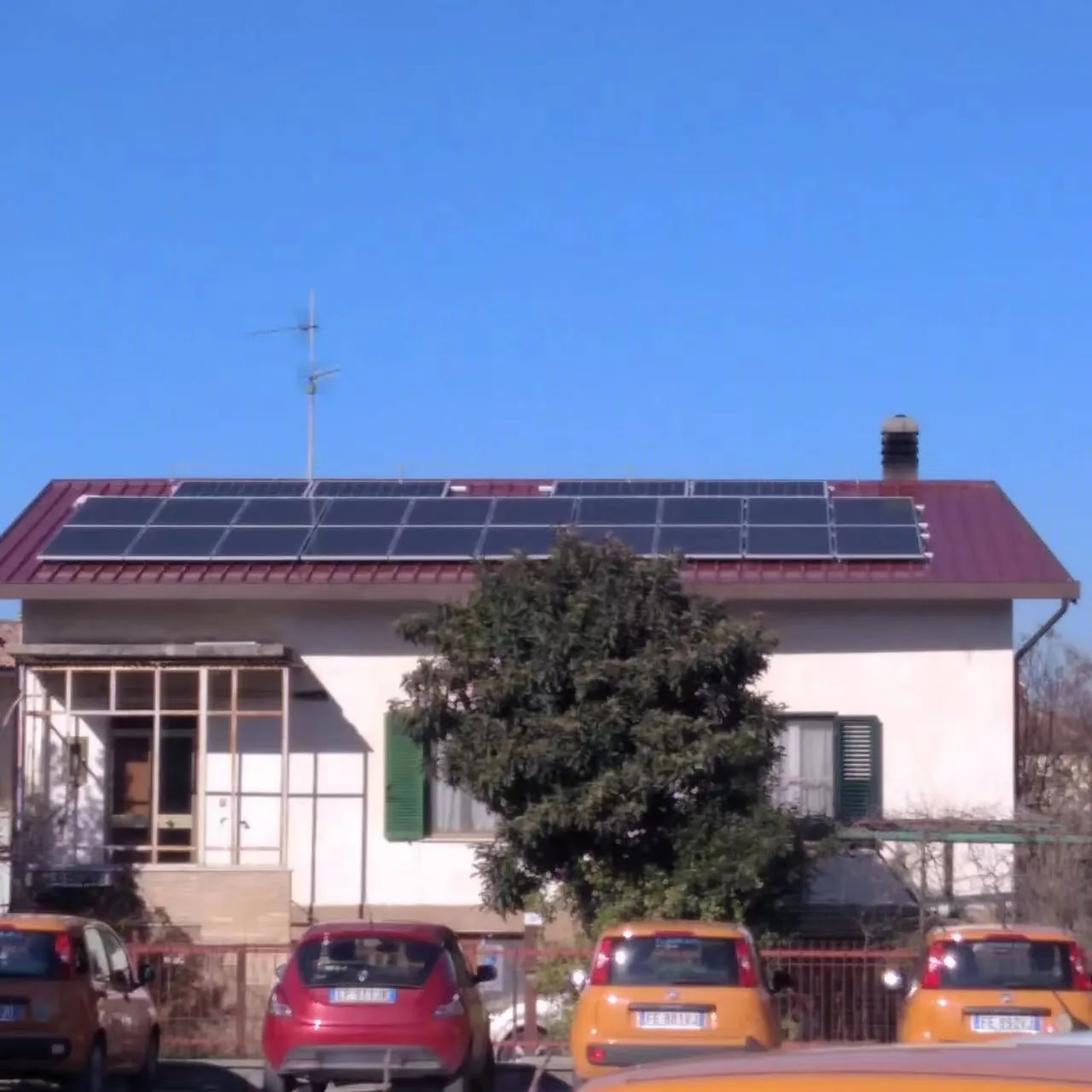
Let's peel back the layers of the Investment Tax Credit (ITC) like you're seeing it for the first time – no tax jargon, no mind-numbing legal speak. Imagine you're explaining this to your best friend over coffee.
The simple truth: If you install solar panels on your home, the government lets you subtract 30% of the entire system cost from your federal taxes. No gimmicks, no "gotcha" clauses. If your solar system costs $20,000? You get a $6,000 credit. That's money straight off your tax bill. And since the Inflation Reduction Act passed in 2022, this benefit is locked in through at least 2032.
Pro Tip: This isn't a deduction – it's a direct credit. That means it reduces your tax bill dollar-for-dollar, not just lowering your taxable income like some tax breaks.
The real beauty of it? You don't need fancy paperwork. "It's not about mountains of documentation," says veteran solar installer Michael Reynolds. "We see homeowners shocked at how painless the claim process becomes once you grasp the fundamentals." The emotional lift we see – that visible sigh of relief – is almost as valuable as the savings themselves.

Numbers on a page can't capture what it really feels like to see your energy meter running backward for the first time. When James and Elena installed their residential solar panels last year, it wasn't about environmental bragging rights. "That first summer when our A/C ran constantly and we still got a credit from the power company?" James laughs. "I ran outside and actually hugged the meter! That's pure financial relief."
Stories like theirs reveal how the ITC transforms theoretical savings into tangible life changes – especially when solar solutions become economically feasible through **eco-friendly building materials** and better financing options. The 30% credit can be the deciding factor that turns "maybe someday" into "let's do this now."
Not just roofs: Did you know renters can benefit too? Community solar projects allow people without suitable roofs to subscribe to local solar farms and receive bill credits through programs enabled by the same policy framework.
Let's be honest – tax stuff can make anyone sweat. But claiming your credit boils down to three manageable steps:
1. Get the paperwork right: Your solar installer provides IRS Form 5695. "Treat this like gold," advises financial planner Linda Peterson. "I've seen families miss out on $500 state incentives by skipping their installer's paperwork checklist."
2. Timing matters: You claim the credit for the tax year when your system becomes operational. It feels incredible to watch that completion date approach knowing it unlocks your savings.
3. The credit rollover secret: What if your tax bill is smaller than your credit? Good news – you can roll unused portions forward. That anticipation of future savings creates a powerful psychological safety net for many homeowners.
Emotionally, the weight lifts off people's shoulders when they realize the IRS designed this to be accessible. "It's not about perfection," says solar advocate Rachel Kim. "The system forgives minor filing hiccups – it wants you to succeed."
The numbers speak volumes: Average households save $1,500 annually, while businesses report up to 70% cuts in operational costs. But what do these figures mean on Main Street? When hardware stores start carrying solar accessories, when contractors hire local workers for installations – that's the heartbeat of economic change.
Small business owner Marcus Zhao shares: "Using the commercial ITC for our rooftop panels felt risky at first. But that investment paid off in 4 years. Now our bakery runs entirely on sunshine. Customers love our 'Solar-Baked Bread' angle – it's transformed our brand!"
Energy resilience is priceless: Wildfire zones in California have become solar adoption hotspots. "When the grid fails during fire season," explains resident Naomi Chen, "our panels become more than savings – they're our lifeline." This shift from cost savings to security fundamentally changes how we value solar investments.
Let's talk real strategies:
Bundle it right: Combine your 30% federal credit with state/local incentives. Maryland homeowner Priya Singh stacked five different programs: "Our $25K system cost dropped to $8K out-of-pocket. We cried opening the final financing statement."
Time your leap: With solar panel costs falling 90% since 2010 and financing options improving, waiting often costs more. "My biggest client regret?" says solar consultant Tom Reyes. "People who postponed just one year missed 2021's record-low interest rates."
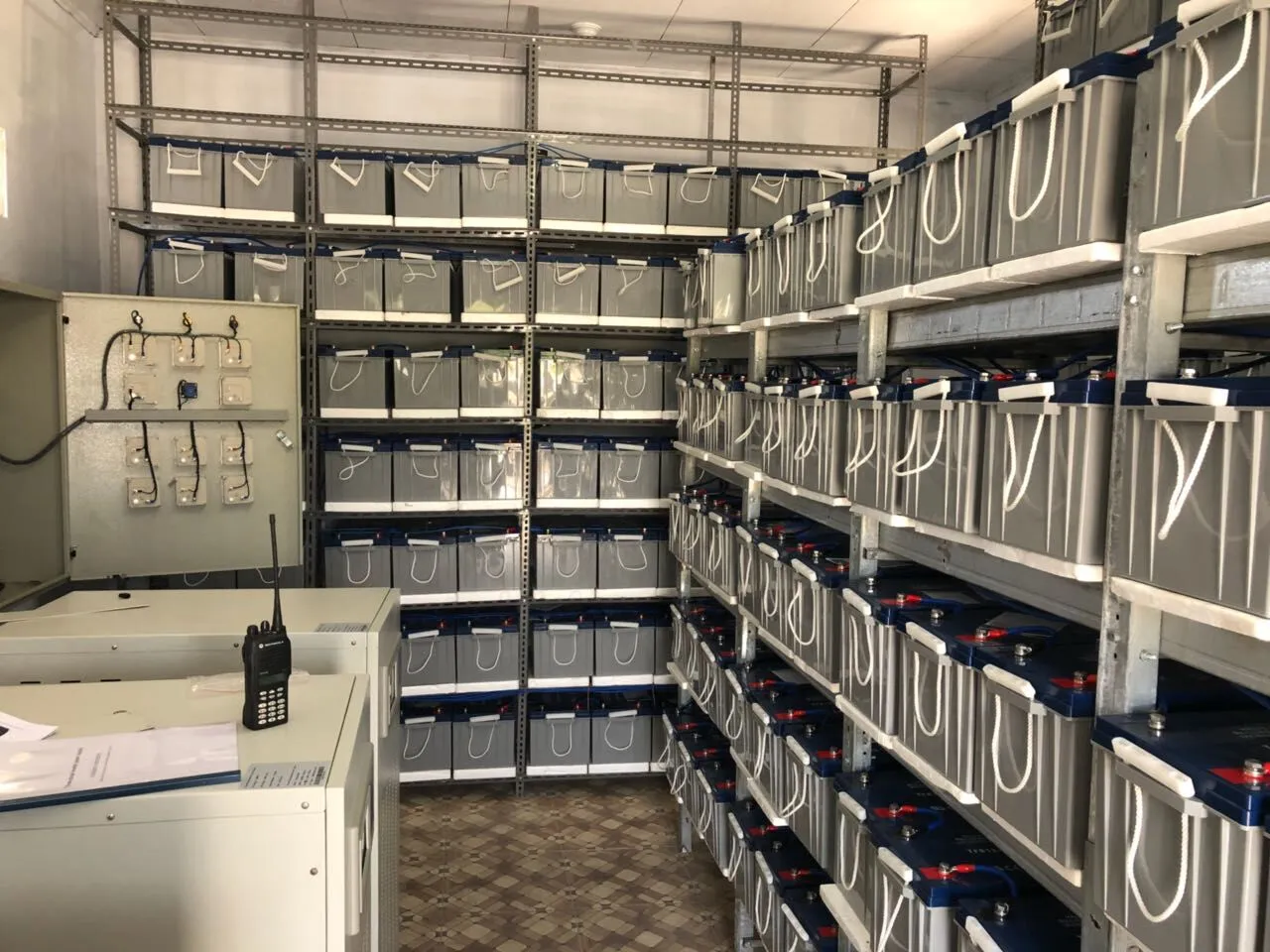
Storage changes everything: Adding batteries used to feel extravagant. Now with battery costs falling 40% since 2018, they qualify for the same 30% credit – transforming solar from bill reducer to true energy independence.
The psychological security of controlling your energy? Priceless. "During Texas' freeze, neighbors shivered while our family stayed warm," recalls engineer Derek Moore. "That wasn't luck – that was planning enabled by tax incentives."
Beyond 2032, the ITC steps down but won't disappear – commercial projects settle at 10% while residential credits sunset. Yet the transformation it sparked is irreversible. Solar now employs 250,000 Americans in well-paying jobs from New Jersey factories to Nevada desert installations.
Manufacturing plant manager Carlos Mendez captures the momentum: "Seven years ago, we employed 30 people building panels. Today we have 240 workers, thanks to policies creating domestic solar demand." This is what "energy independence" truly looks like.
Climate scientist Dr. Eleanor West emphasizes the psychological tipping point: "As solar adoption crosses 5% of households nationwide, the switch from 'alternative energy' to 'normal way we power our lives' transforms national climate anxiety into tangible collective action."
Here's what practical progress looks like:
1. Get personalized estimates using tools like EnergySage or the DOE's calculator – no obligation, just clarity. Seeing your property's solar potential makes the abstract real.
2. Connect with past users: Ask neighbors who've installed panels about their contractor experiences. "We trusted the Patel's recommendation after seeing their actual bills drop," says recent adopter Ben Torres.
3. Feel the timeline: From signing to activation averages 90 days. That moment you first check your monitoring app and see sunlight turning into savings? Pure energy euphoria.
The ITC credit has evolved beyond policy into something more powerful: America's catalyst for energy democracy. That empowering choice – harnessing sunlight instead of accepting rate hikes – ultimately makes solar not just cleaner, but emotionally and financially liberating.
Recommend Products












