


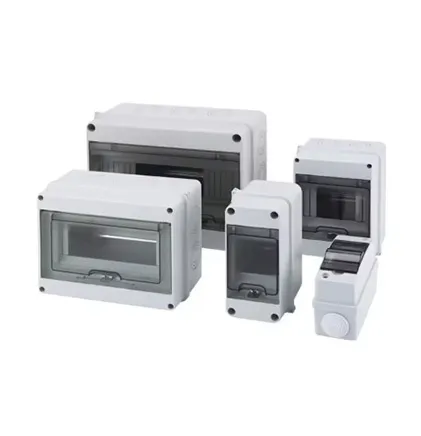
Let's talk about the unsung hero of your home's electrical system—the distribution box. Often tucked away in a utility closet or basement, this crucial panel is the nerve center that keeps your lights on, your fridge humming, and your devices charging safely. Whether you call it a breaker box, fuse box, or electrical panel, getting its installation right isn't just about convenience—it's about preventing fires, avoiding shocks, and ensuring everything runs like clockwork.
Think of it as your home's electrical brain. Every wire, switch, and outlet connects back here. And just like you wouldn't want a messy, disorganized brain controlling your body, you need this box installed correctly. We'll walk through not just the "how" but the "why," making sure you understand why every step matters.
What Exactly Is a Distribution Box?
Picture this metal box as your home's electrical traffic controller. It takes the main power feed from your utility company and splits it into organized channels called circuits. Each circuit powers specific areas—kitchen appliances, bathroom outlets, living room lights—through individual breakers that act like safety switches.
The Core Components:
- Main Breaker: The big switch that cuts power to your entire house. It's your first line of defense during emergencies.
- Circuit Breakers: Smaller switches dedicated to specific zones. If your blender overloads a kitchen circuit, this trips to save your wiring.
- Bus Bars: Metal rails that distribute electricity from the main breaker to the smaller ones—like highways for electrons.
- Grounding Bar: Your safety net. It redirects stray currents safely into the earth, preventing shocks.
Planning Your Installation: Start Smart
Jumping straight into installation? Hold on. Skipping planning is like building without blueprints—you'll regret it later.
Circuit Assessment
Map out every room's needs: How many outlets? Large appliances? Future expansions? Remember: kitchens and workshops need beefier circuits than bedrooms.
Breaker Types
Not all breakers are equal. GFCI ones are lifesavers near water (bathrooms/kitchens), while AFCIs detect dangerous arcs in bedrooms.
Box Capacity
That "200A" label? It's your power budget. Add up all your appliances' needs—central AC alone can gulp 30A—and leave breathing room.
Location & Access
Ever tried resetting a breaker in a dark, cramped closet? Install it at eye level with clearance around it. Garages or basements are ideal—but never bathrooms!
Installation Steps: Doing It Right
⚠️ Heads up: This guide explains professional work. Messing with live wires can kill you. Hire a certified electrician!
Cut Power at the Source
Flip that main breaker off. No "maybe"—use a voltage tester to confirm every wire is dead. This step alone prevents most accidents.
Secure Mounting
Anchor the box to wall studs with heavy-duty screws. A wobbly panel stresses connections over time. Keep it level—use a bubble level, don't eyeball it.
Connect Main Power
Feed the thick utility cable into the box. Match wires: hot (black) to main breaker, neutral (white) to neutral bar, ground (green) to grounding bar. Get this wrong, and you risk frying everything.
Breaker Installation
Snap breakers into place—one per circuit. Hook hot wires to breaker terminals, neutrals/grounds to their bars. Don't force connections; overtightening cracks terminals.
Organize Wiring
Use cable clamps so wires don't touch. Keep them tidy—crossed wires create heat traps. Label groups with colored ties ("Kitchen South," "Upstairs Bath").
Testing & Validation
Triple-check connections. Flip the main breaker, then test each circuit with a multimeter. Verify 120V at outlets—anything else means trouble.
Circuit Labeling
Create a master map inside the box door: "Circuit 5: Master Bedroom Outlets." Use weatherproof labels so they won't fade over time.
Safety Checklist: What Can't Be Compromised
Cutting corners here isn't worth the risk. These aren't suggestions—they're non-negotiables:
- Never DIY Without Training: Just because you can doesn't mean you should. Hire electricians who know local codes cold.
- Gear Up Properly: Insulated gloves, safety goggles—no exceptions. Rubber-soled shoes if working on concrete.
- Materials Matter: Copper wires (not aluminum!), UL-listed breakers. Penny-pinching on quality costs more later.
- Keep It Dry: Never install near plumbing. Even humidity corrodes connections over time.
- Regular Checkups: Every six months, open the box (power off first!). Look for charring, loose wires, or rust.
Costly Mistakes (and How to Dodge Them)
Undersized Wires
Using 14-gauge wire for an AC unit? That wire heats up, melts insulation, and starts fires. Match wire gauge to breaker amperage every time.
Daisy-Chaining Neutrals
Piggybacking neutrals onto one terminal creates ghost voltages. Each neutral belongs to its own slot on the bar.
Ignoring AFCI Requirements
Old wiring can arc silently behind walls. AFCIs detect this before it ignites insulation—required in bedrooms nationwide.
Poor Grounding
Dollar-store ground rods? They corrode fast. Use 8-foot copper rods driven deep into damp soil—not dry fill dirt.
Specialized Applications: Beyond the Basics
Solar Power Systems
For rooftop solar panels, you'll need combiner boxes with rapid shutdown features. Unlike traditional distribution systems, these electrical equipment setups require inverters to feed back into your grid. Always install Type 1 surge protectors here—solar spikes are no joke.
Workshops & Garages
Dust from saws? Metal shavings? Use heavy-duty NEMA-12 boxes. Position breakers at waist height—no bending when your hands are full. Add lockable covers; kids love flipping switches.
Outdoor/High-Moisture Zones
Pool equipment boxes must sit 10+ feet from water with GFCI breakers rated for submersion. Underground conduits? Seal entry points with duct seal compound—silicone cracks over time.
Ensuring Longevity & Performance
Your distribution box isn't a "set and forget" deal. Neglect it, and efficiency drops while risks climb.
- Annual Cleaning: Power down, vacuum dust (accumulation traps heat), wipe terminals with electrical contact cleaner.
- Breaker Exercising: Flip breakers off/on yearly to prevent contacts from seizing.
- Heat Checks: Use an infrared thermometer. Spots over 150°F indicate loose connections.
- Code Updates: Regulations evolve. Have an electrician review your setup every 5 years.










