


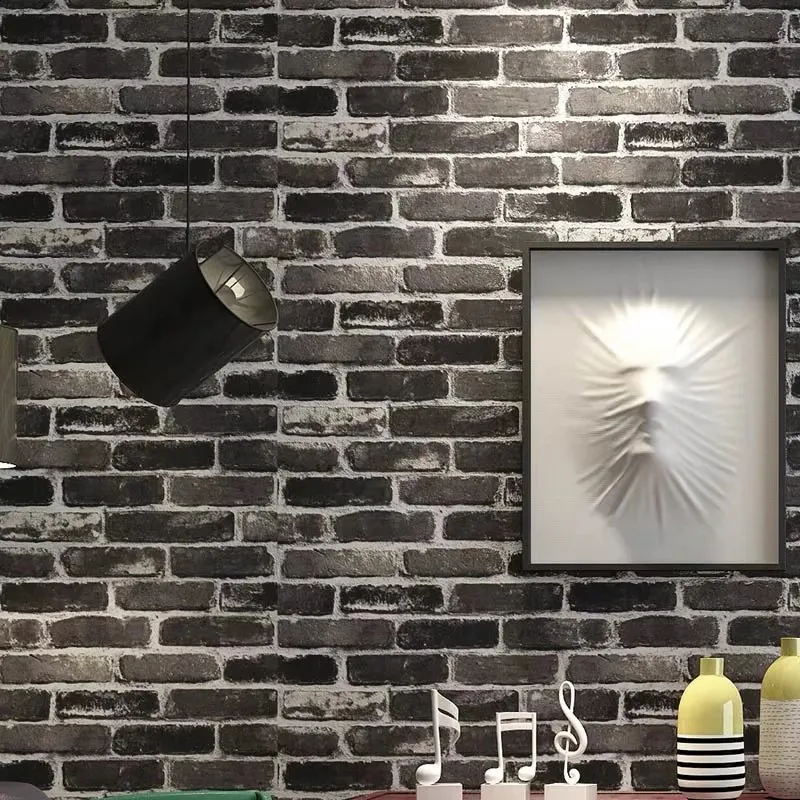
Let's talk about something that keeps coming up in every architect's studio and design workshop: the great cladding debate. Natural stone or manufactured alternatives? It's not just about picking materials; it's about choosing the right tools to bring your creative vision to life. After years of experimenting with both, here's the real scoop.
Picture this: You're standing in front of a feature wall that took months to plan. The client wants drama, personality, texture. The material you chose will either lift that design to new heights or drag it down into mediocrity. That's the power of cladding - it's your voice in architectural expression.
The True Difference: Authenticity vs. Creativity
Natural stone brings ancient beauty with those gorgeous imperfections we all love. Each piece tells a 10,000-year geological story - cracks, mineral veins, and color variations. Like a fine wine, it's naturally complex. But here's the catch: architects often don't want limitations on their creativity.
Creative Freedom
MCM (Mineral Composite Materials) cladding gives you an artist's palette. Want metallic gold veining? Done. Need specific dimensions for your geometric pattern? Easy. The beauty is in your hands to shape, mold, and create without the constraints of nature's lottery.
Nature's Signature
Cultural stone speaks with nature's voice. That irregular fracture pattern? That's authenticity you can't fake. For heritage projects or clients craving true earthiness, nothing replicates geological history like the real thing. But that history comes with physical weight and limitations.
Last summer, I worked on a high-rise project where the client wanted the emotional warmth of sandstone but needed precise honeycomb geometry. MCM cladding wasn't just convenient; it made the design possible. For another project restoring a historic estate? We went full natural stone to honor the building's spirit.
Neither is inherently better - it's about matching tool to vision. MCM is like a digital canvas; cultural stone is like hand-made paper. Both beautiful, but with different constraints.
Beyond Aesthetics: The Practical Realities
| Design Factor | MCM Cladding | Cultural Stone |
|---|---|---|
| Design Flexibility | Virtually Unlimited | Natural Limitations |
| Creative Control | Full Artistic Direction | Nature's Randomness |
| Project Timeline | 30-50% Faster Installation | Complex Installation Process |
| Structural Considerations | Lightweight (40-60% Lighter) | Requires Reinforcement |
| Surface Options | Metallic, Matte, Textured Finishes | Natural Texture Only |
| Color Retention | UV-Stable Coloring | Natural Fading Over Time |
That weight difference isn't just an engineering footnote. On a recent 8-story residential project, using MCM instead of natural stone saved nearly $200,000 in structural reinforcements alone. That money went back into custom lighting features that transformed the entire facade.
The UV stability matters too. A boutique hotel we did three years ago with MCM cladding still looks crisp and vibrant. Another with natural stone? Already showing visible sun-bleaching in southern exposures. Design shouldn't fade before its time.
Sustainability: Beyond Surface Level
Let's clear the air about environmental impact. Modern MCM isn't just greenwashing; the technology has evolved dramatically. Manufacturers now incorporate recycled materials that would otherwise clog landfills.
Resource Footprint
Quarrying natural stone requires heavy machinery, disrupts ecosystems, and leaves behind scars on landscapes. Responsible quarries exist, but it's still extraction. MCM uses recycled aggregates and industrial byproducts otherwise headed to landfills.
Shipping Impact
Consider transport weight. Shipping stone is literally moving mountains - dense, heavy materials requiring more fuel. MCM's lighter composition means fewer trucks, trains, or ships for the same coverage. Some manufacturers even make panels on-site, slashing shipping entirely.
Thermal Performance
Many MCM systems come with integrated insulation, creating building envelopes that outperform most natural stone assemblies. This isn't just about sustainability; it means actual energy savings for clients over the building's lifespan. Stone can't match that without additional systems.
I recently toured a factory where they're making MCM cladding panels from recycled glass and industrial slag. The raw materials were literally waste products. Seeing waste transformed into high-design material made me rethink our entire material lifecycle.
The integrated wall panel approach deserves particular attention. These systems combine structure, insulation, and finish in one assembly. This integration minimizes thermal bridging and creates much tighter building envelopes than traditional stone cladding can achieve. Thermal performance impacts sustainability more than most realize.
Durability: Myths vs. Reality
"But manufactured stone won't last!" I've heard this for years. Meanwhile, I walk by installations I did 15 years ago that look freshly installed. The technology has matured significantly.
Actual experience: The weathering differences often surprise people. Modern MCM is engineered for UV resistance specifically because it doesn't fade like natural minerals. That sandstone people love in year one? By year eight, it's a ghost of its former self. MCM maintains color consistency for decades.
Freeze-thaw cycles are another misunderstood factor. Traditional wisdom says stone handles this beautifully - which it does. But modern MCM achieves similar performance through material engineering. We've subjected panels to brutal testing cycles that mimic decades of Canadian winters. They outperformed most natural stones.
Maintenance is where MCM really shines. Stained natural stone often needs specialty cleaning or causes warranty nightmares. MCM? Gentle detergent and water does the job. For high-traffic commercial spaces, this low maintenance factor saves owners thousands annually.
Last month, a restaurant client called about a wine stain on their cultural stone. It had etched into the surface permanently. With MCM, we'd have been able to lightly polish or replace just that panel.
Design Case Study: Transformation Through Technology
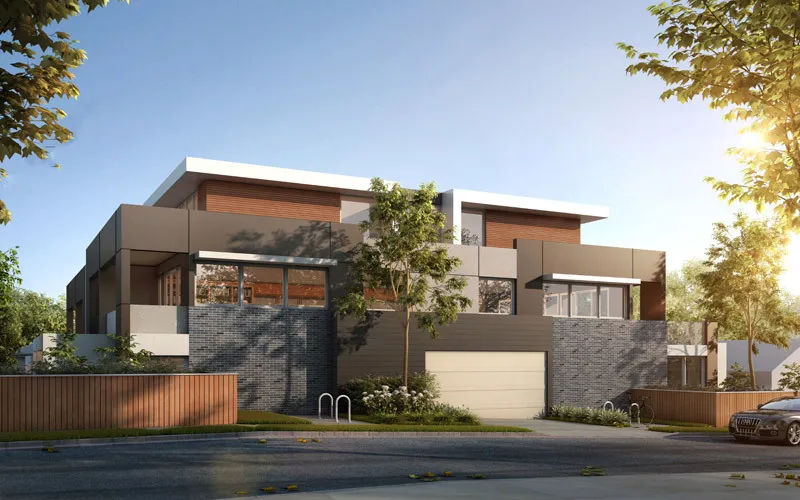
The true test came with a mixed-use project in Chicago. The developer wanted impossible things: intricate geometric patterns, color-shifting surfaces, and a kinetic wave effect that caught changing daylight.
Traditional approach: Cultural stone couldn't achieve the thin profile needed for the wave effect. The precision geometries would have required expensive custom cutting. Color variation would have been impossible to control across the large surface area.
MCM solution: We developed custom aluminum-backed panels that could flex to create the wave. Digital printing allowed us to precisely map color transitions across multiple surfaces. Precision manufacturing ensured every piece interlocked perfectly.
The result? A building facade that feels alive, shifting colors throughout the day. Maintenance crews love how accessible the light panels are. The developer saved nearly 30% versus sourcing specialty stone, allowing budget to flow into public art elements.
"The material became our collaborator rather than our limitation," the lead designer remarked. That's when you know you've found the right medium.
Straight Answers to Real Design Questions
"Isn't choosing manufactured over natural stone sacrificing quality?"
Not sacrificing - transforming. It's choosing a different type of quality. Natural stone offers geological authenticity. MCM offers precision, consistency, and creative potential. It's not hierarchy but specialization.
"What about longevity? Will this look dated in 10 years?"
Good design transcends trends. The material itself outperforms most natural stones for UV and environmental stability. But just like stone architecture, stylistic choices date faster than materials. Focus on timeless proportions and layouts.
"Can MCM really mimic the feel of natural stone?"
Visually? Often indistinguishable except on close inspection. Texturally? Advanced surfacing techniques replicate stone's feel remarkably. But importantly: it doesn't have to mimic. It can be its own distinct experience - metallic sheens, deep mattes, or hybrid textures impossible in nature.
The Designer's Choice
Cultural stone carries the weight of millennia. Its history, its geological journey, its authenticity - these have undeniable emotional power. When the design needs that natural narrative, cultural stone still shines.
But for the vast majority of contemporary projects? MCM cladding isn't just easier for creative expression - it liberates design potential that natural materials fundamentally constrain. When clients ask for something truly distinctive, truly of-this-moment, manufactured solutions deliver what cultural stone physically cannot.
The future isn't about manufacturing versus authenticity. It's about selecting the perfect tool for each creative vision. Increasingly, that tool comes engineered for precision, performance, and possibility.
Final thoughts: After two decades in architecture, I've seen materials evolve dramatically. What excites me most about modern MCM isn't the consistency or weight savings. It's how it empowers designers to realize previously impossible visions. That creative liberation is the real transformation in cladding materials.










