

Let's talk about what makes your walls stand out. Not just literally standing there doing their job, but actually turning heads and pulling compliments from everyone who walks through your door. WPC wall panels are like the secret sauce for contemporary spaces – water-resistant, eco-friendly, and surprisingly easy to maintain. But the real game-changer? How you slice and dice them together.
Think of your wall as a giant canvas. You wouldn't just slap paint randomly – you'd plan the brushstrokes. Same deal with panel installation. The direction you run your WPC panels doesn't just change how it looks; it:
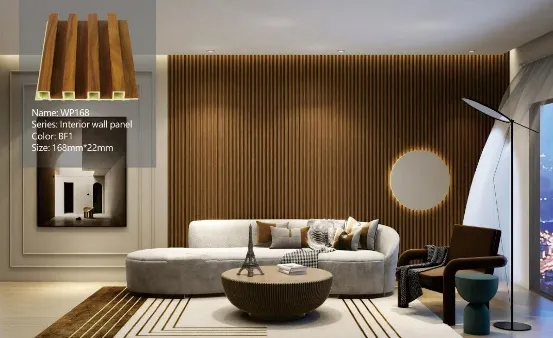
Before we dive into the fun patterns, let's get practical. You wouldn't bake without preheating the oven, right? Installation prep is that crucial first step:
Here's where 70% of DIY disasters happen. Your surface must be:
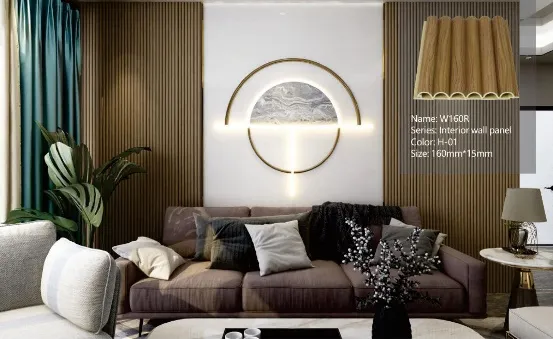
The Vibe: Modern, tranquil, space-expanding
Run those planks parallel to the floor like waves on a calm beach. This method:
Best for:
Pro Tip: Start from the bottom and use laser level religiously. Even a 1-degree slope screams amateur hour.
The Vibe: Formal, height-enhancing, sophisticated
Like elegant columns running floor-to-ceiling. Perfect when you need:
Best for:
Watch Out: Requires perfectly plumb walls. Uneven surfaces will telegraph through the gaps painfully.
The Vibe: Showstopping, historic, gallery-worthy
The V-pattern that screams "I hired a pro." It's all about angles:
Best for:
Pro Tip: Start from center point and work outwards. Calculate extra 20% for waste due to angled cuts.
The Vibe: Architecturally innovative, custom, luxury
The "rule breaker" approach that says personality matters. Combine patterns like:
Best for:
Warning: Requires meticulous planning. Sketch it on grid paper first!
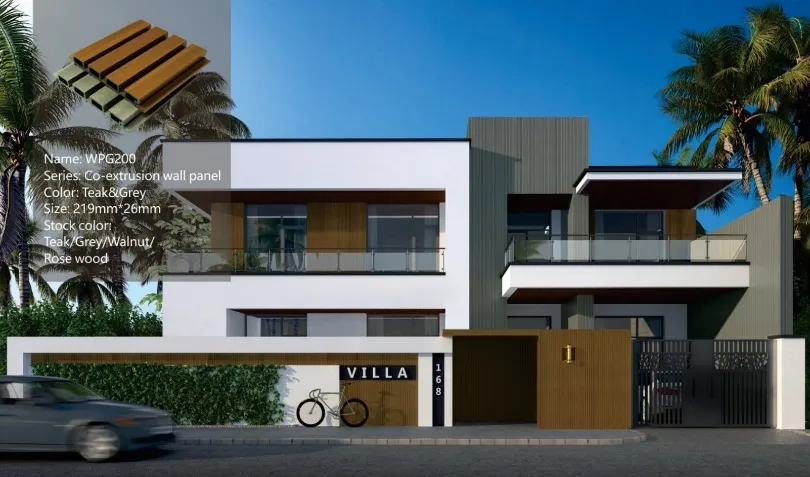
Pattern is just the beginning. Here's where pros separate from DIY tragedies:
Wood-plastic composites need breathing room! Temperature swings will make material expand/contract. Give it:
Hide these with matching silicone sealant or purpose-made trims.
Windows, outlets, and pipes don't care about your beautiful pattern. Beat them with:
No hammer tantrums allowed! Proper fastening prevents:
Use dedicated WPC clips and follow manufacturer spacing (usually every 18"). Overtightening is an automatic fail – tighten just until snug.
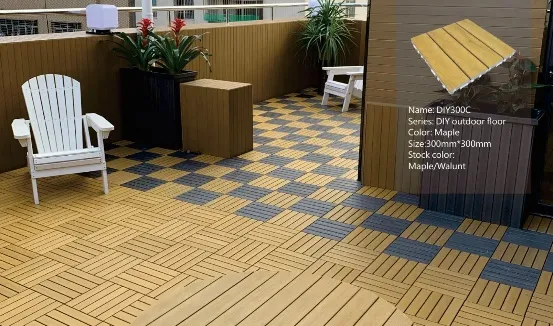
The stunner comes with complexity:
Transition zones make or break the design:
Once your masterpiece is up:
Whether installing a simple horizontal layout or tackling a daring herringbone masterpiece, remember that WPC rewards meticulous planning. Unlike rigid tile or fussy wallpaper, this interior decorative wall board gives you freedom to play with direction, texture, and pattern while still forgiving minor field imperfections.
Pattern isn't just about aesthetics – it's architectural psychology. Horizontal calms, vertical lifts, herringbone energizes, and mixed patterns tell unique stories. So next time you're facing that blank wall, don't just ask "what pattern." Ask "what feeling?"
The ultimate test? Walk into your finished space. If you catch yourself pausing just to admire your walls? You've won the pattern game.
Recommend Products











