
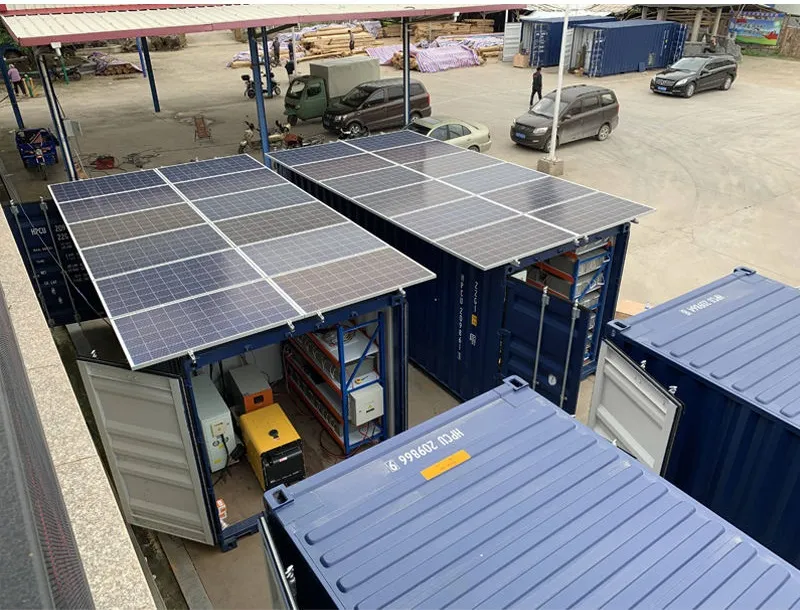
Imagine waking up to discover half your solar farm vanished overnight. That's the harsh reality for dozens of Pakistani solar operators each month. As green energy adoption soars across Punjab and Sindh, thieves increasingly view shimmering solar panels as currency on the black market. But this isn't a story of despair - it's a roadmap to resilience. We'll explore practical, human-centered security solutions that keep energy flowing without turning farms into fortresses.
Pakistan's ambitious shift to renewable energy created an unintended consequence: lucrative opportunities for organized crime. Three factors fuel this crisis:
Punjab Police reports show a 230% surge in solar component theft since 2020. Thieves target not just remote farms but urban installations too - schools, hospitals, and residential complexes have become vulnerable. The emotional toll on solar farm operators ranges from financial devastation to shattered confidence in renewable energy transitions.
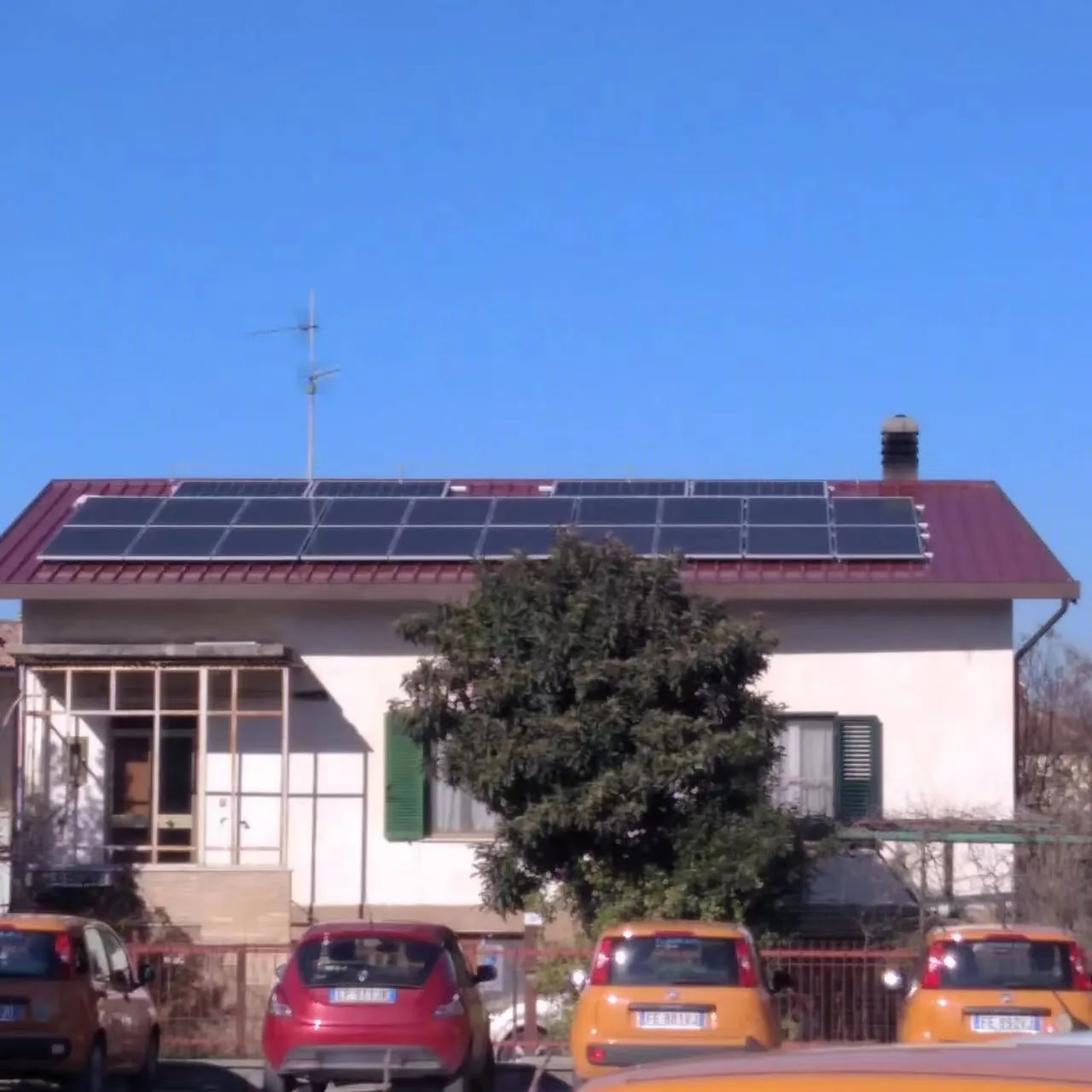
Visible security measures create subconscious barriers more effective than physical ones. Well-placed warning signs featuring simple Urdu text reduce intrusion attempts by up to 70% according to Karachi security studies. Strategic lighting creates human fear pathways while preserving energy efficiency.
When villagers near Rahim Yar Khan became "Solar Guards" with a whistle and flashlight, thefts plummeted by 92% in six months. Simple initiatives like community electricity discounts transform neighbors into stakeholders. Local Friday mosque announcements prove more effective than silent surveillance in many rural districts.
Vibration sensors camouflaged within aluminum framing transmit alerts before disassembly begins. Temperature triggers distinguish human touch from weather changes. Smart camera positioning eliminates blind spots without unnecessary coverage, optimized for Pakistan's distinct terrain challenges.
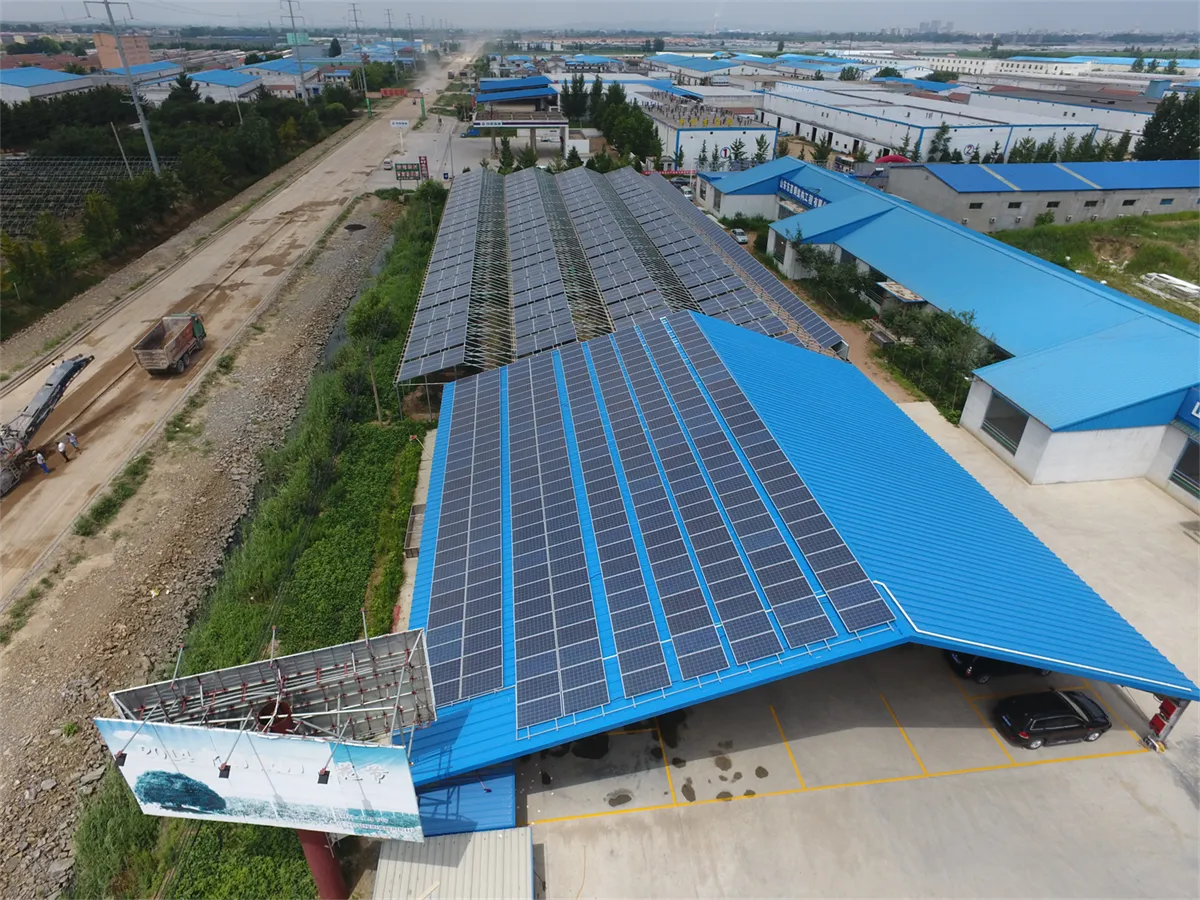
Balancing cost and security requires a phased approach:
After suffering six thefts in eight months, Amin Textiles implemented a tiered defense system. Perimeter motion sensors alerted guards of unauthorized entry. Panel-mounted GPS trackers hidden within waterproof laminate layers led police straight to a Karachi warehouse. Monthly security workshops elevated worker vigilance. Result? Zero incidents in 16 months while security costs decreased by 40% after initial investment.
Custom mounts requiring specialized tools add friction during theft attempts. Simple solutions like epoxy-sealed bolts increase removal time by 300% - often the difference between successful theft and abandonment. For large solar farms in Balochistan, mobile patrol routes randomized via an algorithm thwart pattern recognition.
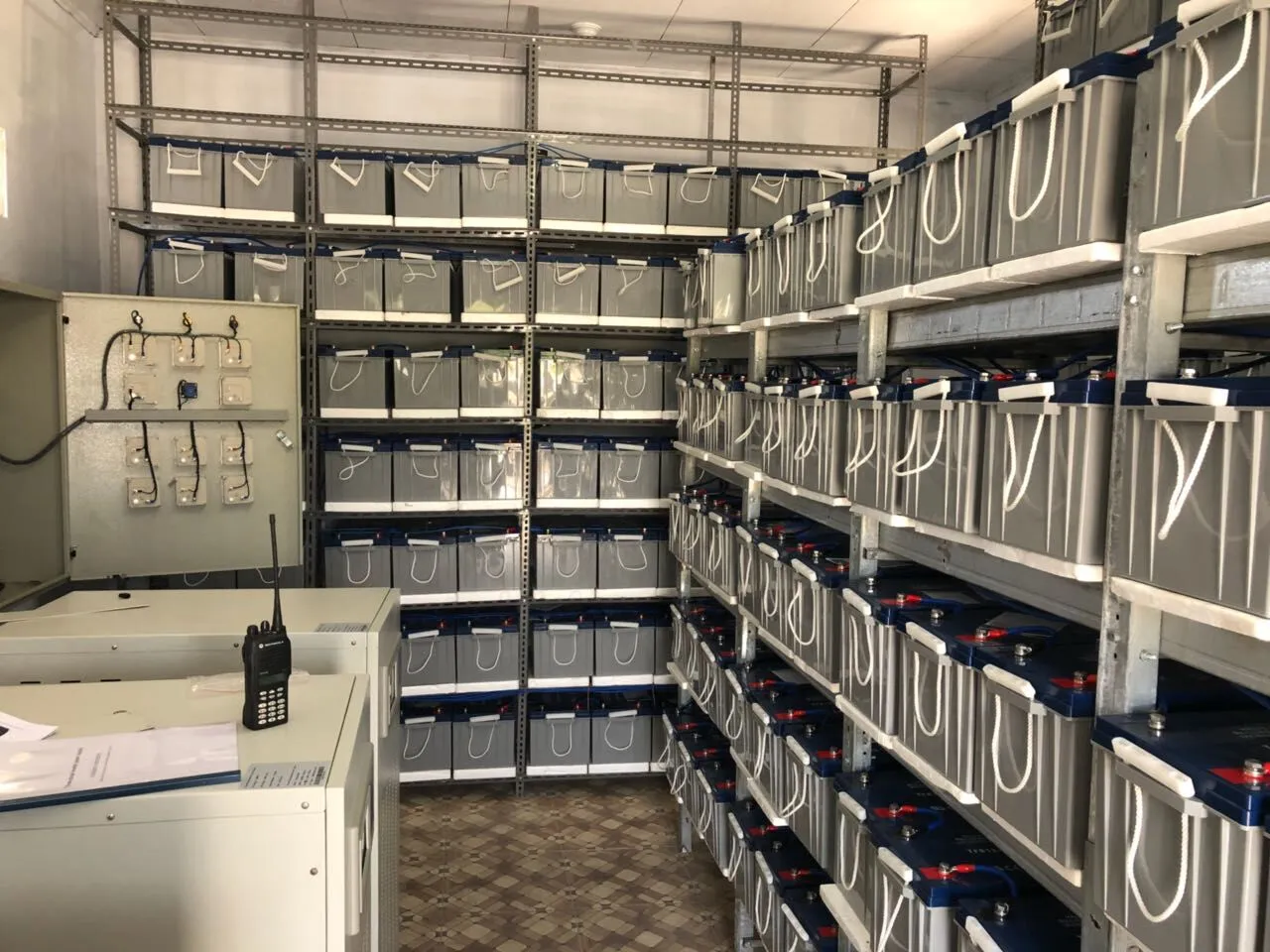
Individual efforts falter without systemic support:
Security shouldn't compromise sustainability. Heavy metal fences burden land, while energy-intensive solutions undercut renewable goals. Here's the balance:
Independent mini-arrays dedicated to security systems operate through grid failures. Experimental models power security cameras directly from panel edges without separate wiring.
Thorny native shrubs provide natural fencing that absorbs CO2. The Neem-based "BioFence" initiative in Sindh reduced intrusion attempts while increasing biodiversity.
Western security models often falter in Pakistan's unique cultural landscape:
Rural communities respond better to visual symbols like Allah's name than English warnings. Urban solutions must navigate dense living conditions where alleys become access routes. Ramadan schedules impact patrol effectiveness. Customized solutions respect regional nuances while delivering protection.
Pakistan's solar revolution stands at a crossroad where innovation meets determination. The most sophisticated protection systems combine technology with human connection, making communities feel invested in energy infrastructure. As Pakistan targets 60% renewable energy by 2030, protection innovations must evolve alongside energy generation.
Theft recovery stories like those using GPS tracking on stolen panels prove that with thoughtful design and community partnership, Pakistan can secure its solar future. Your farm's security story begins with simple, strategic steps today.
Industry experts note that quality waterproof laminate layers in solar panels significantly increase component longevity in Pakistan's climate conditions.
Recommend Products












