
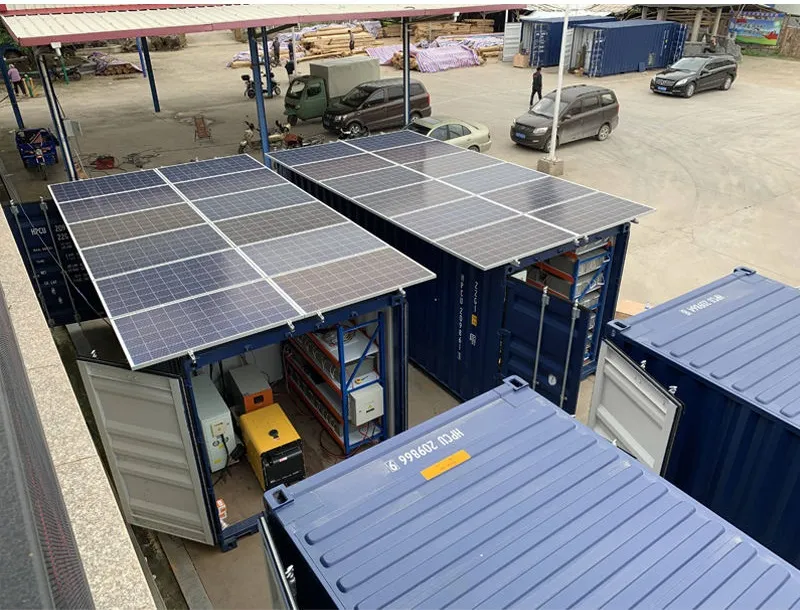
Desert farming isn't about fighting nature – it's about dancing with it. When we pair the desert's relentless sun with innovative irrigation control, something magical happens: barren landscapes transform into food-producing ecosystems. But this transformation hinges on a critical nexus: How do we harness solar energy efficiently to make every precious drop of water count?
Picture this: miles of sandy terrain under a blistering sun. Now imagine photovoltaic panels standing like sentinels, converting that intense solar radiation into life-giving power. This isn't science fiction – it's today's reality in forward-thinking agricultural projects from the Sahara to Arizona. The secret sauce? A meticulously designed power supply system that understands the desert's unique personality.
Unlike temperate climates, deserts demand more than just basic solar setups. The extreme temperature swings – scalding days and surprisingly cool nights – play havoc with conventional equipment. Add frequent sandstorms and you've got an environment that chews up poorly designed systems. That's why our design philosophy starts with listening to the desert's harsh whispers.
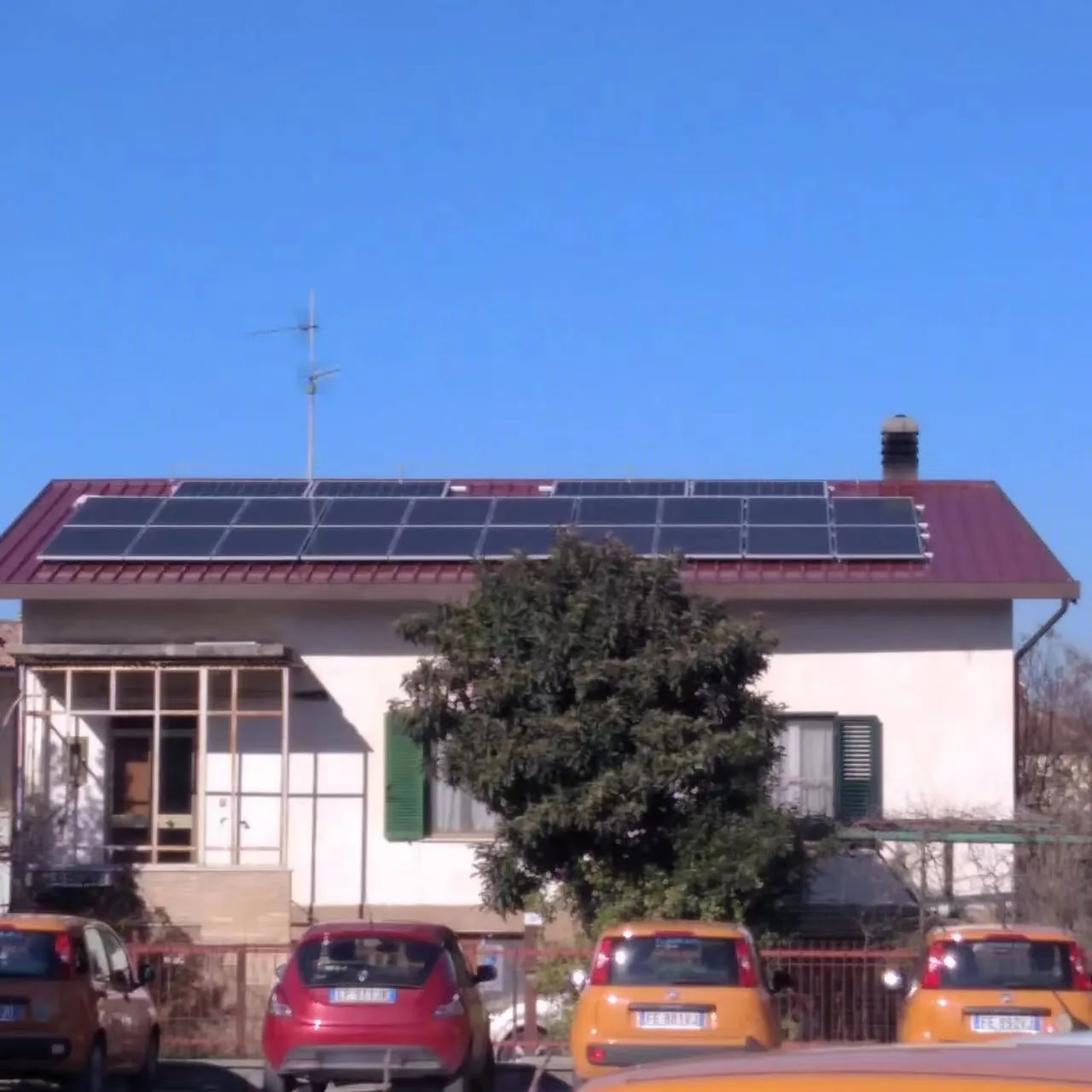
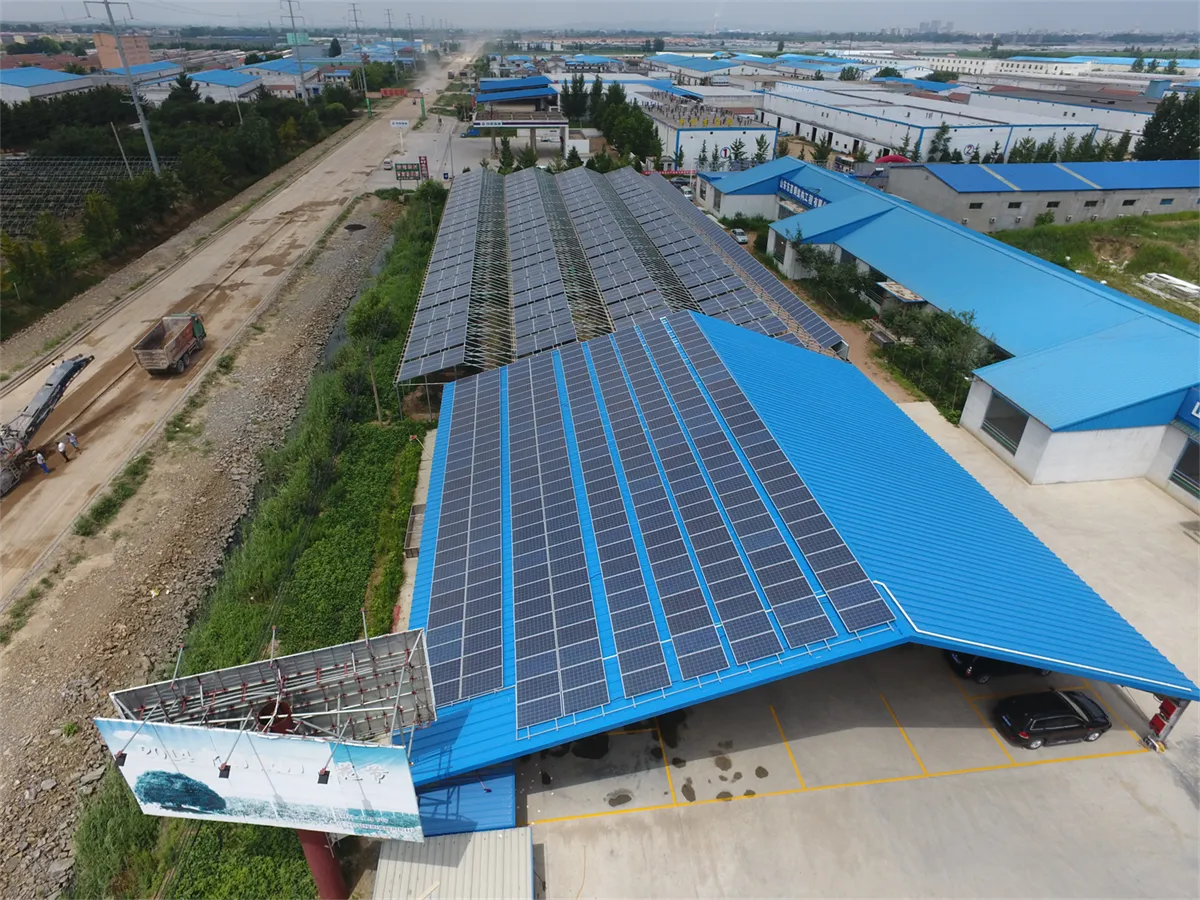
When we dissect a top-tier desert irrigation power system, three pillars emerge:
These aren't your standard rooftop panels. Desert-grade photovoltaic clusters feature specialized coatings that repel sand buildup while resisting UV degradation. Their tilt angles aren't fixed – they dynamically adjust throughout the day like sunflowers, squeezing 20% more juice from the same sunlight.
Here's where the real magic happens. Modern charge controllers don't just prevent battery overcharge – they perform complex cost-benefit analyses in real-time. Should they power pumps directly right now, or store energy for nighttime irrigation? They even predict sandstorm patterns using satellite data to make proactive decisions.
Gone are the days of one-size-fits-all pumps. Today's systems employ variable frequency drives that adjust motor speeds on the fly. When moisture sensors detect a root zone drying faster than expected, these pumps respond instantly by increasing pressure, not just duration. This precision prevents water waste at a microscopic level.
Challenge:
Desert temperature extremes causing thermal runaway in batteries
Fix:
Phase change materials (PCMs) embedded in battery housing absorb excess heat during daytime spikes and gradually release it during cold nights
Challenge:
Abrasive sand damaging moving parts
Fix:
Tribologically-enhanced polymers reduce friction coefficient by 70% compared to conventional materials
Challenge:
Intermittent cloud cover disrupting power
Fix:
AI-powered forecasting combined with supercapacitors provide 8-hour bridge power during unusual weather events
"The desert teaches you humility. You realize you can't overpower it – you need to collaborate with it. Our most successful installations came when we stopped fighting the conditions and started designing with them." – Lead Engineer, UAE Solar Irrigation Project
A recent installation in Qatar's Al Khor region demonstrated what's possible:
23% increase in crop yields despite 10% less water usage
Battery lifespan extended by 40% using passive cooling techniques
87% reduction in diesel generator backup usage
System self-sufficiency achieved in 14 months
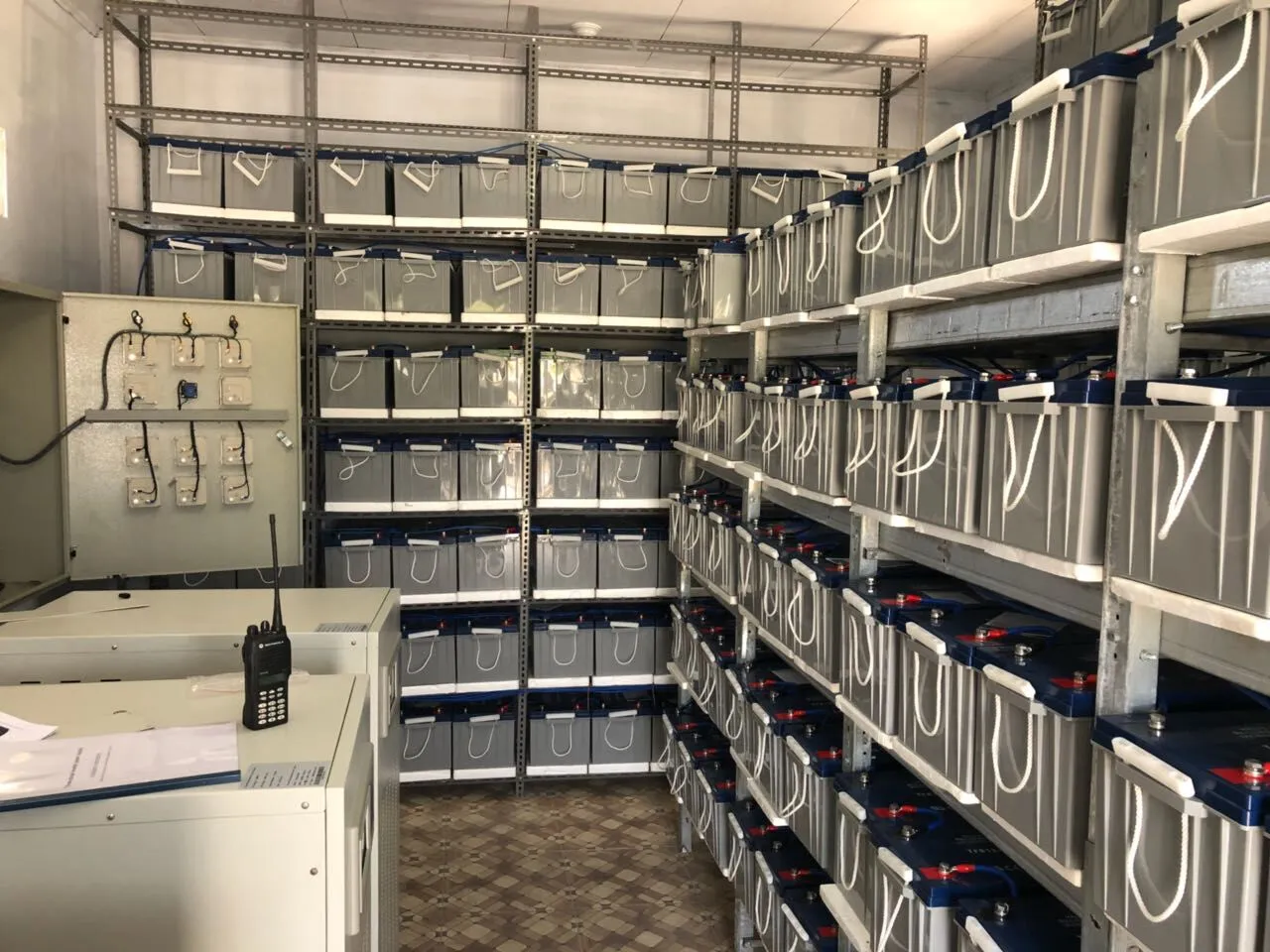
How? By integrating deep-cycle batteries strategically sized for overnight irrigation pulses rather than continuous operation. These batteries become particularly vital during unexpected weather events, ensuring consistent power delivery when it matters most.
Let's talk power storage – the unsung hero. We've moved beyond basic lead-acid to lithium-iron-phosphate (LFP) systems that laugh at desert heat. But the real game-changer? Modular battery architecture. Farmers can start small with a 5kWh nucleus and expand in 2kWh blocks as their operation grows. No monolithic installations requiring massive upfront investment.
What makes this power supply genuinely sustainable? The control circuit manages each battery module independently. If one cell degrades faster due to localized heat exposure, the system routes around it. This graceful degradation approach extends total system life well beyond conventional setups.
Implementing desert power systems reveals practical lessons:
Never mount panels parallel to prevailing winds – angle them to create self-cleaning aerodynamic surfaces
Bury power cables 30% deeper than code requires – shifting sands create unexpected pressures
Install hummingbird feeders near pump houses – these natural pollinators double as pest control against wiring-eating insects
Use colored indicator lights instead of displays – they remain readable during sand hazes
The future isn't about brute-forcing technology into deserts. Next-gen systems will incorporate biomimicry principles: moisture-harvesting surfaces inspired by Namib beetles, coordination algorithms modeled after ant colonies, and dispersion patterns borrowed from desert plant root systems. We're entering an era where solar-powered irrigation doesn't conquer the desert – it learns from it.
As we push forward, sustainable solutions emerge from unexpected places. The recent deployment of flexible stone wall panels around sensitive desert reservoirs provides perfect synergy with our irrigation controllers. These solar-powered marvels simultaneously protect water resources while housing auxiliary PV cells – double duty infrastructure that increases ROI while decreasing environmental impact.
Recommend Products












