
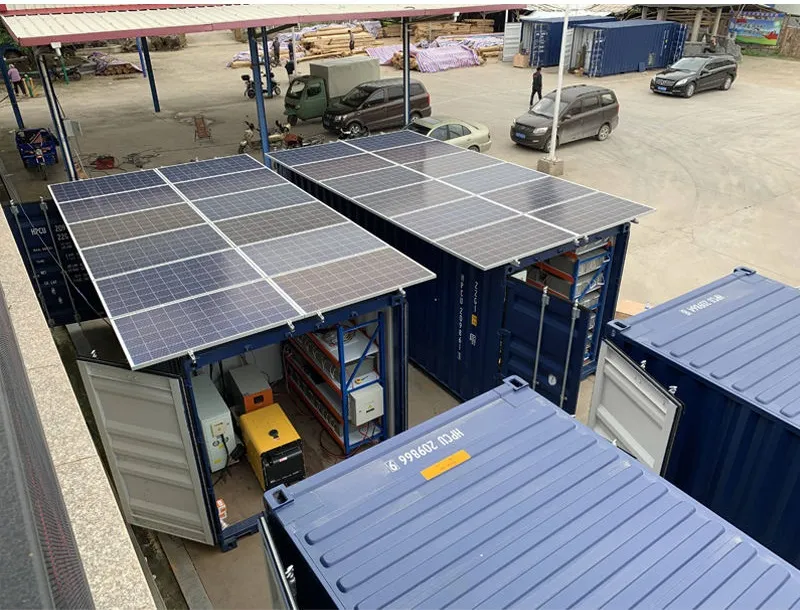
Let's be honest – your flat roof is like a blank canvas waiting to be transformed. Those wide-open spaces aren't just sitting there for decoration; they're prime real estate for clean energy. But slapping some panels on a flat roof? That's where things get tricky. Getting it wrong isn't just inefficient; it's a one-way ticket to leaks, wind damage, or wasted potential.
Whether you're a homeowner ready to cut energy bills, a commercial building manager looking for sustainability cred, or a solar installer sizing up your next project, understanding mounting brackets is your make-or-break moment. Forget generic advice – flat roofs play by their own rules. From tricky wind dynamics to waterproofing nightmares, these setups demand specialized solutions.
That slight slope isn't just an aesthetic choice – it changes everything. Unlike pitched roofs where gravity helps secure panels, flat surfaces create unique challenges:
Imagine a storm hitting your panels like a pry bar. Flat roof systems experience dramatically different wind uplift forces. Panels tilted up on flat roofs essentially become sails waiting to catch wind. Proper bracketry distributes these forces across the roof structure.
Penetrations are a flat roof's worst enemy. Every hole is a potential leak source. Quality bracketing systems either:
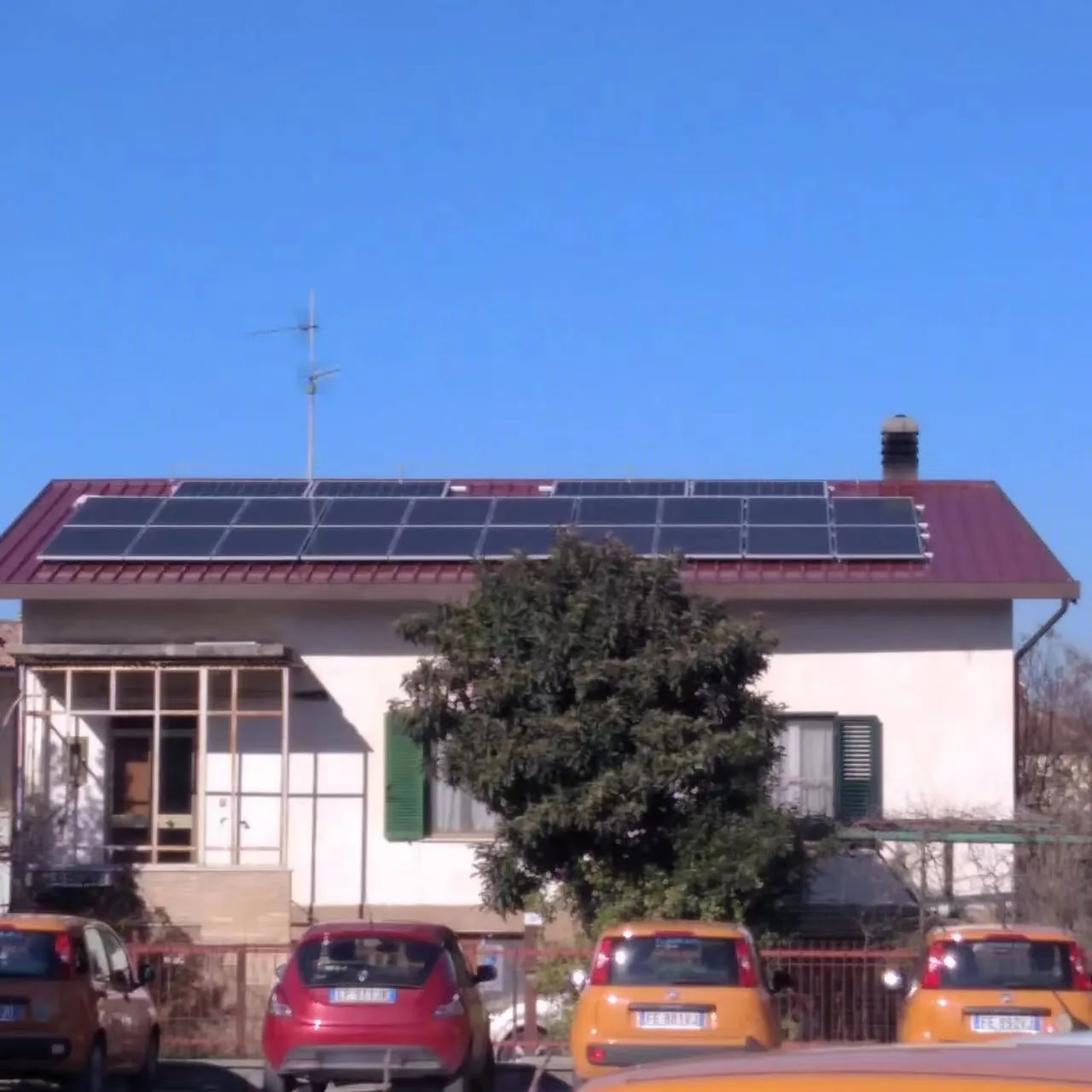
Not all brackets are created equal. Let's demystify the critical components:
This is where the magic starts – or leaks begin. Base plates come in three flavors:
Ballast Trays: Think of concrete-filled plastic tubs acting as anchors. Pros: zero roof penetration. Cons: weight restrictions require engineering approval.
Direct-Attach Bases: Using specialized screws that compress rather than penetrate membranes. Game-changer for commercial EPDM or TPO roofs.
Hybrid Systems: Combining ballast weight with minimal anchoring. This eco-friendly building material approach is gaining popularity on marginal structures.
These vertical supports determine your tilt angle. Here's where engineering choices cascade:
Those tiny metal pieces doing the heavy lifting fall into three categories:
| Type | Best For | Installation Tip |
|---|---|---|
| End Clamps | Array edges | Torque to manufacturer spec ±2Nm |
| Mid Clamps | Between panels | Use stainless steel versions near coastlines |
| Edge Grip Systems | Thin-film applications | Require special rail profiles |
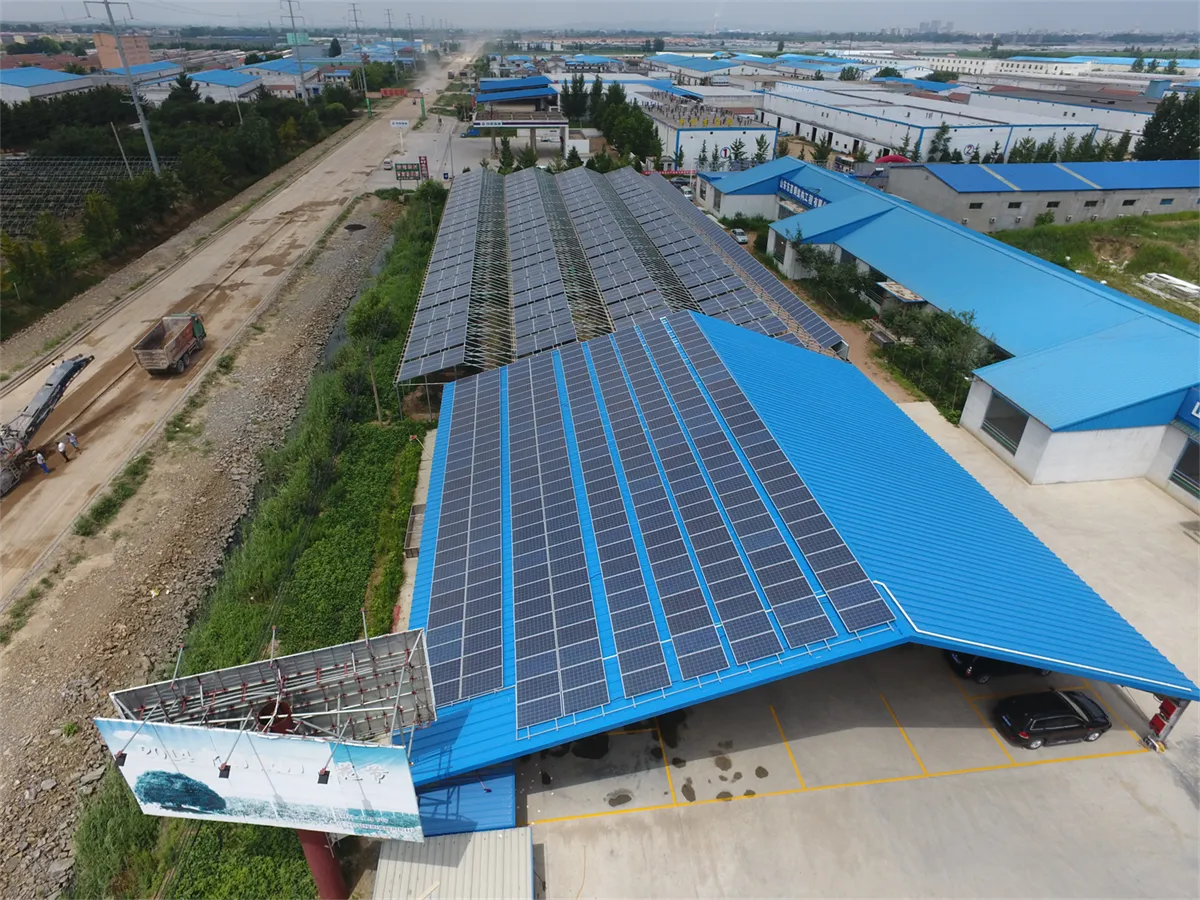
Aluminum vs. steel isn't just about weight:
The go-to for 85% of residential projects:
When wind loads get serious:
Great brackets solve problems you don't even see:
Aluminum expands 0.013% per °F. A 6-foot rail grows nearly ¼" between freezing temps and summer heat. Quality systems include:
When dissimilar metals meet moisture:
The scale changes everything:
| Factor | Residential Systems | Commercial Systems |
|---|---|---|
| Typical Tilt Angle | 15-25° | 5-10° |
| Ballast Density | 3-5 PSF | 8-12 PSF |
| Wind Rating | 110 mph | 150+ mph |
Ignorance isn't bliss – it's expensive:
Wind calculations aren't suggestions:
New standards implemented in 2024:
Watch for these common failures:
Uneven loading is a wind tunnel disaster:
Human error meets metal fatigue:
Good brackets enable lifetime care:
Clearance Zones: Leave 18-24" walkways between rows. Squeezing in extra panels might cost you when cleaning/replacement crews can't access safely.
Tilt Adjustment Gear: Seasonal optimizers add <2% to installed costs but yield 12-18% more annual production. The ROI math practically does itself.
Corrosion Monitoring: Install sacrificial test coupons near critical brackets. Lab analysis every 3 years reveals galvanic issues before failure.
Hardware choices today determine costs in 2040:
Your flat roof solar array should feel like a natural extension of the building – not a clumsy add-on. When mounting brackets disappear into a cohesive system, that's engineering excellence. It means every kilogram of ballast is optimally placed. Each penetration is self-sealing perfection. Wind loads travel exactly where engineers intended.
The real magic? People won't notice your brackets. They'll just see a beautiful, high-performing array transforming sunlight into silent, clean power. And that's exactly how premium hardware should perform – invisibly perfect.
Recommend Products












