

In the world of architecture and interior design, the phrase "form follows function" has long guided creators—but today, that equation is evolving. Modern spaces demand more than just utility; they crave personality, storytelling, and a seamless blend of aesthetics and practicality. This is where MCM flexible cladding stone wall panels step in, redefining what's possible in building design. Unlike rigid traditional materials that box architects into straight lines and standard sizes, these innovative panels offer a level of design flexibility that feels almost limitless. Whether you're envisioning a sweeping curved façade for a boutique hotel, a textured accent wall in a minimalist home, or a custom-cut feature that honors cultural heritage, MCM panels are the canvas upon which these ideas come to life. Let's dive into how their adaptability in shapes, sizes, and textures is transforming residential and commercial spaces alike.
Before we explore their design magic, let's get to know the star of the show. MCM stands for Mineral Composite Material—a blend of natural minerals, reinforced fibers, and a flexible polymer backing that gives these panels their signature bendability. Think of them as a hybrid: they mimic the look and feel of natural stone, granite, or even wood, but with the lightweight agility of a modern composite. This unique composition is what makes them a game-changer for architectural façade solutions and interior design. Unlike heavy natural stone slabs that require structural reinforcement, or brittle ceramics that crack under pressure, MCM panels are designed to flex, curve, and conform to almost any surface—all while maintaining durability and weather resistance.
For residential building materials supplier and commercial building materials supplier teams, this flexibility translates to fewer installation headaches, lower transportation costs, and happier clients who don't have to compromise on their boldest design dreams. It's no wonder that architects and designers are increasingly turning to MCM panels as the go-to choice for projects that demand both style and substance.
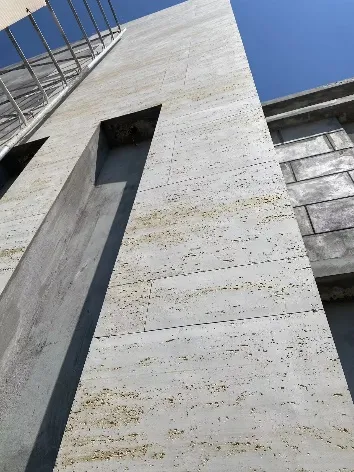
Design flexibility isn't just a buzzword here—it's built into the DNA of MCM panels. Let's break down how they excel in three critical areas: shapes, sizes, and textures.
Gone are the days when wall cladding was limited to flat rectangles or simple squares. MCM panels thrive on complexity. Thanks to their flexible backing, they can be shaped into curves that flow like water, sharp angles that make a bold statement, or even intricate geometric patterns that tell a story. Imagine a restaurant exterior that wraps around a corner with a gentle 90-degree bend, its cladding following the architecture so seamlessly it looks like the building itself grew that way. Or a residential accent wall with a wave-like curve that softens the sharp edges of a modern home—all made possible by MCM's ability to bend without cracking.
But it's not just about big, dramatic curves. MCM panels can also be custom-cut into unique shapes for artistic installations. A hotel lobby might feature a wall of interlocking hexagons, each with a different stone texture, creating a mosaic that draws the eye upward. A retail store could opt for triangular panels arranged in a repeating pattern, adding depth and movement to an otherwise plain façade. The best part? These custom shapes don't require specialized tools or excessive waste—most mcm flexible cladding stone wall panel supplier teams offer in-house cutting services, ensuring precision and consistency from design to installation.
One of the most frustrating limitations of traditional cladding materials is size rigidity. Natural stone slabs, for example, are often heavy and cumbersome, limiting their maximum dimensions. Ceramic tiles, on the other hand, are typically small, leading to countless seams that disrupt the visual flow. MCM panels solve both problems with a size range that's as versatile as the projects they're used for.
At the smaller end, you'll find MCM tiles as narrow as 10cm wide—perfect for intricate backsplashes or accent strips in a kitchen or bathroom. Move up to mid-sized panels (60cm x 120cm is common), and you've got a workhorse for feature walls, where fewer seams mean a cleaner, more polished look. Then there are the jumbo panels: some suppliers offer sizes up to 120cm x 300cm, ideal for large commercial façades. Imagine covering an entire office building's exterior with just a few dozen panels—minimizing installation time, reducing labor costs, and creating a seamless, monolithic appearance that's impossible with smaller tiles.
This size versatility also makes MCM panels a favorite for renovation projects. When updating an older building, you can mix and match sizes to cover uneven surfaces or work around existing structures without sacrificing design integrity. A residential building materials supplier might recommend small tiles for a historic home's interior to preserve its charm, while using large-format panels on the exterior to modernize the look—all with the same cohesive texture.
If shapes and sizes are the bones of MCM design flexibility, textures are the skin—the element that turns a functional panel into a sensory experience. MCM panels excel at mimicking the look and feel of natural materials, but they don't stop there. Want the rough-hewn texture of a mountain stone? There's an MCM panel for that. Prefer the smooth, polished finish of marble? Done. How about the warm grain of reclaimed wood, or the industrial edge of concrete? MCM has you covered.
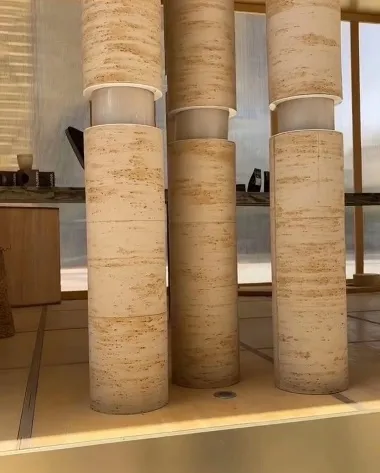
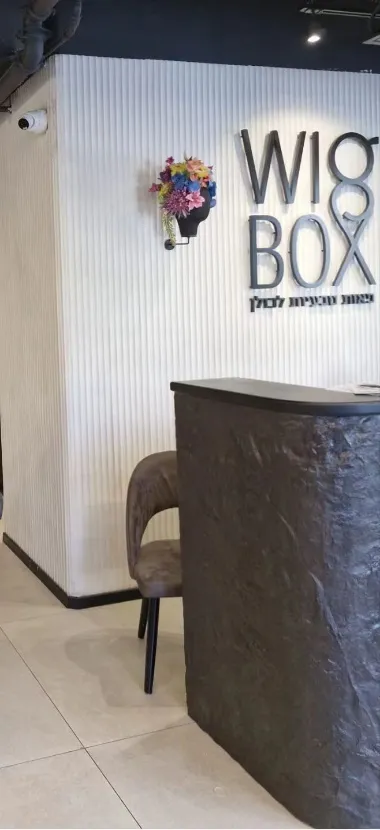
What's remarkable is how realistic these textures are. Run your hand over a stone-mimicking MCM panel, and you'll feel the same ridges and valleys as you would on a natural slab—without the weight or maintenance. For interior spaces, this tactile quality adds depth and warmth; a living room accent wall with a travertine-like texture invites touch, making the space feel more inviting. For exteriors, textured MCM panels play with light and shadow throughout the day, creating dynamic facades that change with the sun's position.
But MCM doesn't just replicate nature—it reimagines it. Suppliers offer custom texture options, from metallic finishes that shimmer in the light to matte surfaces that absorb color for bold, monochromatic designs. A high-end retail store might opt for a iridescent texture that shifts from blue to green as customers walk by, while a spa could choose a soft, pebble-like texture that evokes a peaceful riverbed. The possibilities are limited only by the designer's imagination—and the right mcm flexible cladding stone wall panel supplier will work with you to create a texture that's uniquely yours.
Design flexibility is only valuable if it solves real problems—and MCM panels deliver in spades across residential, commercial, and even specialized projects. Let's look at how they're making an impact in different spaces.
Homeowners today want spaces that reflect their individuality, and MCM panels are helping them achieve that. Take the exterior of a modern suburban home: instead of a plain vinyl siding, the homeowner might choose MCM panels with a wood-grain texture in a warm walnut hue, giving the house a rustic yet contemporary look. The panels can be curved around the home's rounded entryway, softening the transition from the driveway to the front door.
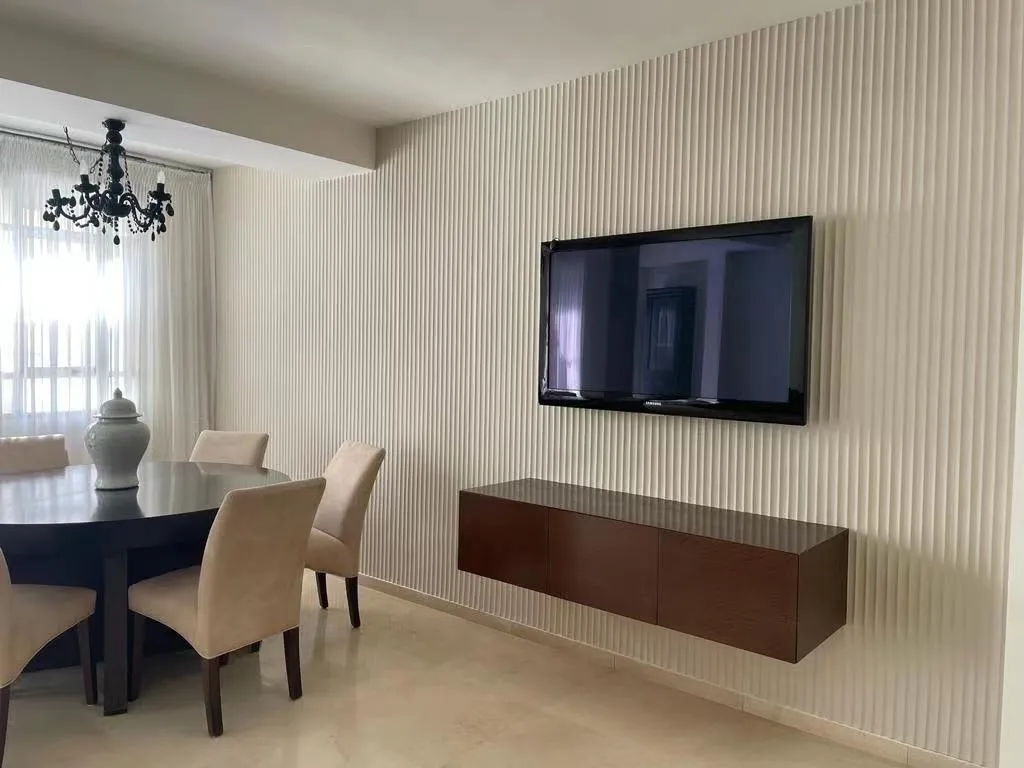
Indoors, MCM panels shine as accent walls. A minimalist kitchen might feature a backsplash of small, hexagonal MCM tiles with a marble texture, adding elegance without overwhelming the space. In the living room, a floor-to-ceiling wall clad in large-format MCM panels with a rough stone texture becomes the focal point, grounding the room and adding visual interest. Even bathrooms benefit: moisture-resistant MCM panels with a slate texture can transform a standard shower wall into a spa-like retreat.
For residential building materials supplier teams, the appeal is clear: MCM panels let homeowners customize their spaces without the high cost and maintenance of natural materials. A family on a budget can get the look of granite for a fraction of the price, while eco-conscious homeowners appreciate that many MCM panels are made from recycled materials.
In commercial design, first impressions matter—and MCM panels help businesses make a statement. Consider a boutique clothing store in a busy shopping district: its façade, clad in MCM panels with a custom metallic texture, catches the eye of passersby, setting it apart from neighboring shops with traditional brick or concrete exteriors. The panels can be cut into irregular shapes, creating a dynamic, almost sculptural look that invites curiosity.
Restaurants and hotels are also embracing MCM's flexibility. A beachfront resort might use curved MCM panels with a driftwood texture on its exterior, blending seamlessly with the natural surroundings. Inside, the lobby could feature a wall of MCM panels in varying shades of blue, textured to look like ocean waves, immediately transporting guests to a state of relaxation. Even healthcare facilities are getting in on the action: MCM panels with a smooth, bacteria-resistant texture are ideal for clinics and hospitals, where cleanliness and durability are paramount.
For commercial building materials supplier partners, MCM panels offer a competitive edge. They allow businesses to align their physical space with their brand identity—whether that's a tech startup going for an industrial, cutting-edge vibe or a luxury hotel aiming for timeless elegance. Plus, their durability means less maintenance over time, a key selling point for busy commercial properties.
To truly appreciate MCM's design flexibility, it helps to see how it stacks up against traditional cladding materials. Let's compare MCM with three common options: natural granite, terrazzo tiles, and wood.
| Feature | MCM Flexible Cladding Panels | Natural Granite | Terrazzo Tiles | Wood Cladding |
|---|---|---|---|---|
| Shapes | Curves, angles, custom cuts, and intricate patterns; flexible backing allows for non-linear designs. | Limited to straight cuts; rigid structure makes curves or custom shapes difficult and costly. | Typically square or rectangular; custom shapes possible but require specialized cutting and increase waste. | Straight planks or simple shapes; bending causes warping or cracking over time. |
| Sizes | Range from small tiles (10cm x 10cm) to jumbo panels (120cm x 300cm); reduces seams and installation time. | Heavy slabs (usually up to 120cm x 60cm); larger sizes require structural support and are hard to transport. | Small to mid-sized tiles (30cm x 30cm to 60cm x 60cm); large formats prone to cracking during installation. | Narrow planks (10cm–20cm wide); longer lengths available but prone to bowing. |
| Textures | Mimics stone, wood, concrete, and more; custom textures available. Realistic tactile feel without natural material drawbacks. | Natural textures vary; limited customization. Polished, honed, or rough finishes, but no hybrid options. | Speckled, smooth finish; color and aggregate can be customized, but texture is uniform and less tactile. | Natural grain texture; staining or painting can alter color, but texture is fixed to wood type. |
| Best For | Curved facades, accent walls, custom designs, both residential and commercial projects. | High-traffic areas (floors, countertops) where durability is key; limited design flexibility. | Indoor floors, walls, or countertops; retro or art deco-inspired designs. | Rustic or warm interiors/exteriors; requires regular sealing and maintenance. |
As the table shows, MCM panels outshine traditional materials in almost every aspect of design flexibility. They combine the best of natural aesthetics with the adaptability of modern composites, making them a top choice for forward-thinking designers.

Great design ideas need great execution—and that starts with choosing the right mcm flexible cladding stone wall panel supplier . A reputable supplier doesn't just sell panels; they offer mcm flexible cladding stone wall panel solutions that guide you from concept to installation. Here's what to look for:
Customization Support: The best suppliers work with you to create bespoke shapes, sizes, and textures. If you need a panel that mimics a rare Swiss stone or a custom curve for a one-of-a-kind façade, they should have the expertise to make it happen.
Technical Expertise: Installing flexible cladding requires know-how. A good supplier provides detailed installation guides, on-site support, and training for contractors, ensuring the panels look and perform as intended.
Quality Assurance: Consistency is key, especially for large projects. Look for suppliers with strict quality control processes, so every panel matches your design specs—no surprises halfway through installation.
Sustainability Commitment: Today's clients care about the environment. Choose a supplier that uses recycled materials, low-VOC adhesives, and energy-efficient manufacturing processes.
Whether you're a residential building materials supplier working on a single-family home or a commercial building materials supplier tackling a skyscraper, partnering with a supplier who understands design flexibility will make your project smoother, more creative, and ultimately more successful.
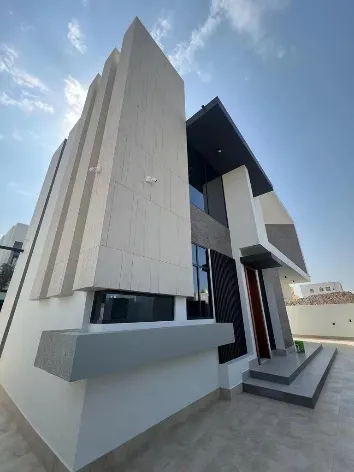
As architecture and design continue to evolve, MCM flexible cladding stone wall panels are poised to play an even bigger role. We're already seeing innovations like panels integrated with LED lighting, turning facades into dynamic light displays. Imagine a hotel exterior that changes color for holidays or events, all thanks to MCM panels with built-in lighting channels.
Sustainability will also drive growth. Future MCM panels may incorporate even more recycled content or be designed for easy disassembly and reuse, aligning with the circular economy. And as 3D printing technology advances, we could see on-demand custom shapes printed directly on-site, reducing waste and opening up new design possibilities.
But perhaps the most exciting trend is the democratization of design. MCM panels make high-end, custom looks accessible to more people—whether it's a homeowner updating their kitchen or a small business owner revamping their storefront. No longer do you need a huge budget to achieve a one-of-a-kind design; with MCM, flexibility and creativity are within reach.
MCM flexible cladding stone wall panels aren't just a building material—they're a design revolution. By offering unparalleled flexibility in shapes, sizes, and textures, they empower architects, designers, and homeowners to create spaces that are as unique as the people who use them. Whether you're crafting a residential oasis, a commercial landmark, or a public art installation, MCM panels provide the tools to turn vision into reality.
So the next time you walk past a building with a striking façade, run your hand along a textured accent wall, or admire a curved design that seems to defy gravity, take a closer look—it just might be MCM panels at work. And when you're ready to start your own project, remember: the right mcm flexible cladding stone wall panel supplier isn't just a vendor; they're your partner in design, helping you build spaces that inspire, function, and endure.
Recommend Products











