
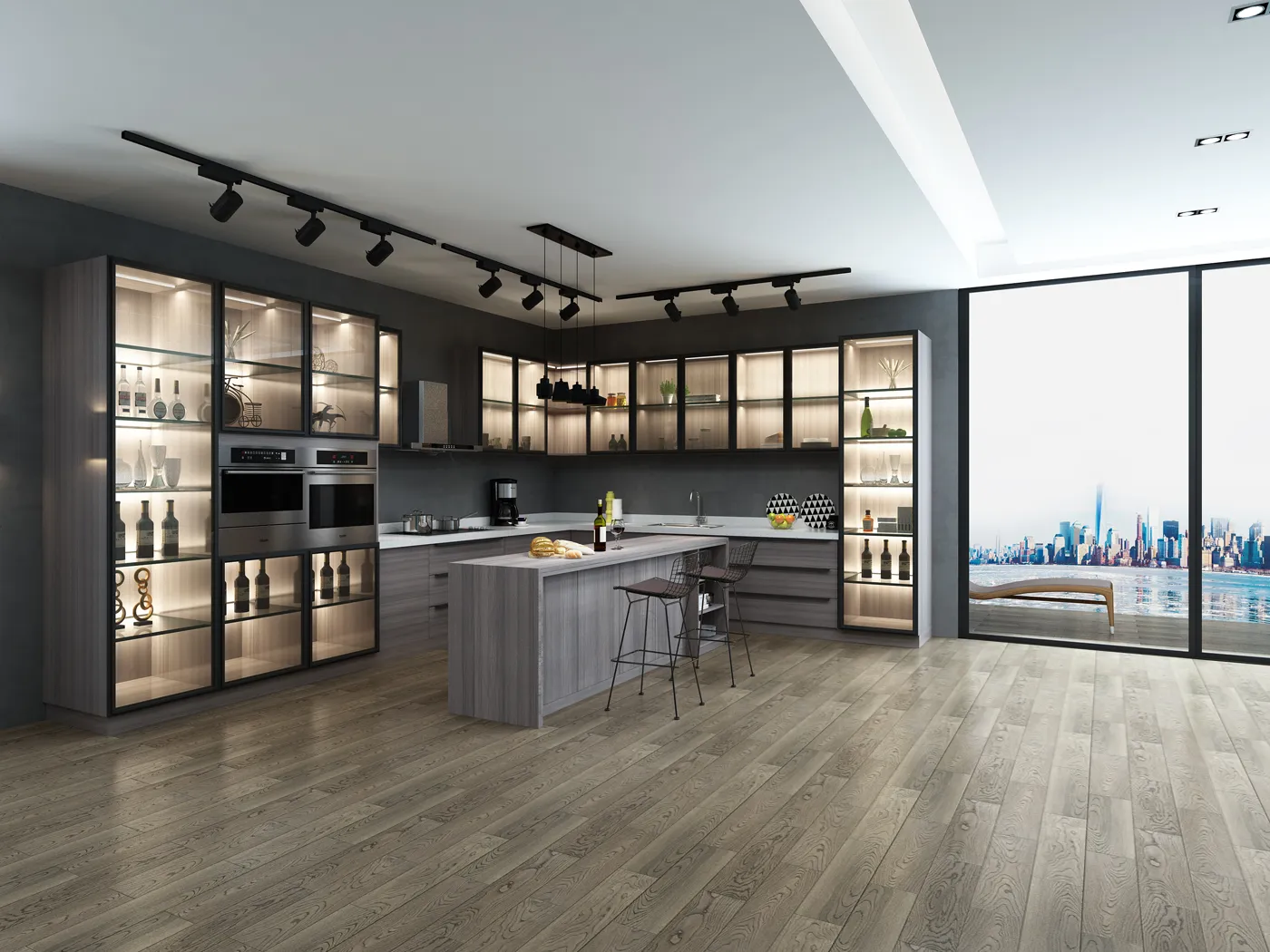
Let's talk about your kitchen. More specifically, let's talk about those cabinets that hold your dishes, hide your snacks, and maybe even display your grandmother's antique teapot. If you're renovating or building new, those kitchen cabinets aren't just boxes with doors – they're a pivotal decision affecting your daily life, your budget, and your home's value. What makes someone choose one cabinet over another? Why do certain styles fly off the shelves while others gather dust? That's where demand comes into play – that powerful economic force that's far more personal than textbook definitions suggest.
Think of demand like kitchen traffic during holiday cooking: it’s the actual, tangible desire for something combined with the ability to get it. When your family craves your famous lasagna, that’s pure desire. But if nobody has money for ingredients or time to cook? Demand fizzles. The economy kitchen cabinet market operates on this same human dynamic – it’s about people dreaming of beautiful spaces while realistically weighing costs.
When you walk into a showroom or scroll through Pinterest, you're not just comparing wood grains. You're making subconscious calculations that textbook economics misses. The price tag matters, obviously, but so does how long you plan to stay in your home, whether your in-laws visit often, or if you've recently discovered a passion for gourmet cooking. These personal factors transform cold supply-and-demand curves into emotional decision trees.
"Is this worth my life savings?" you might wonder while eyeing solid maple cabinets. "Will these particle-board ones survive my kids?" That's demand translating into relatable human dilemmas. And manufacturers who understand these kitchen-table questions rather than just quarterly sales projections? They build relationships beyond transactions.
Here's where things get interesting. In traditional demand theory, if cabinet prices drop, purchases should skyrocket. But what actually happens when Home Depot runs a 30%-off sale? The parking lot overflows with minivans. Yet what doesn't show up in spreadsheets is the stress: parents arguing about budgets, couples compromising on styles, the anxiety of financing big purchases.
Simultaneously, subtle factors shift demand quietly but powerfully. When your neighbor renovates with those stunning Shaker-style cabinets, desire flickers to life. When housing markets boom, people upgrade more freely. But when recessions hit? Demand doesn't disappear; it transforms. Suddenly, refacing existing cabinets surges as demand pivots from luxury to frugality without losing its emotional core: "I still want a kitchen I love, just with smaller risks."
Peek inside market research reports and you'll see fascinating demand pulses. White and gray cabinets dominate sales charts not just because they look clean – they represent emotional safety. Neutral colors mean you won't grow tired of them, buyers won't disapprove, and resale value stays stable. That's demand speaking the language of risk aversion.
Organizational features? They've exploded. Why? We're not just storing pots; we're storing mental bandwidth . Pull-out spice racks and hidden trash bins reduce decision fatigue. One homeowner confessed, "I pay extra for drawers that glide perfectly because every morning, it's one less frustration." That's emotional economics at work.
When interest rates climb, demand doesn't vanish – it migrates. Instead of whole-kitchen tear-outs, focus shifts to smaller upgrades like replacing cabinet hardware or adding under-cabinet lighting. Conversely, during prosperous times, demand flows toward customization: specialized wine racks, pet-feeding stations, and smart cabinets with charging docks.
The most successful kitchen cabinet manufacturer today watches these socioeconomic indicators like chefs watching timers:
Ignoring these is like cooking without tasting – you might get something done, but it won't satisfy anyone's appetite for solutions.
The future of kitchen cabinets lies in reconciling desire with reality. Consider modular systems: affordable base units with swap-out door fronts. Customers get flexibility without bankruptcy. Or integrated tech: smart inventory sensors signaling when flour runs low. These aren't gimmicks; they're empathy translated into plywood and lacquer.
"We've moved beyond 'custom versus stock'," explains veteran designer Mei Chen. "Today's demand wants hybrid solutions: mass-produced quality with boutique-level personal touches. People don't want castles; they want sanctuaries that function."
Three key trends emerge from studying cabinet choices:
These directions share one thread: consumers demand products respecting their humanity – their health, changing abilities, and planet. The most responsive manufacturers build this dignity into every joint.
At its heart, the kitchen cabinet market reveals profound truths about us: we seek beauty within practical limits, control in chaotic worlds, and small daily joys amid life’s responsibilities. Cabinets hold more than plates; they hold our values. And demand? It’s the collective voice of those values shouting, whispering, and hesitating – waiting for someone to listen and build accordingly.
So next time you open a cabinet door, pause. That smooth glide? That satisfying click? That clean line? It's demand made tangible – your personal priorities made manifest by manufacturers smart enough to understand that economics isn't about numbers; it's about people.
The economy kitchen cabinet market won't thrive on cheaper MDF or flashy showrooms alone. It'll flourish when manufacturers ask not just "What can we make?" but "What human hunger does this satisfy?" That insight – emotional, personal, real – transforms demand from a charted curve to a creative conversation where homes are built, memories cooked up, and lives organized one cabinet at a time.
Recommend Products












