

Walls are the silent storytellers of any space. They don't just divide rooms—they set moods, reflect personalities, and withstand the test of time. In today's world of interior decoration materials, porcelain slab tiles have emerged as the darlings of architects, designers, and homeowners alike. Their sleek finish, durability, and versatility make them a top choice for everything from cozy residential living rooms to bustling commercial lobbies. But here's the truth: even the most stunning porcelain slab tile is only as good as the supplier behind it. Choosing a reliable porcelain slab tile for wall supplier isn't just a transaction—it's an investment in the longevity and beauty of your project. So what exactly makes a supplier "reliable"? And how do industry standards play into this equation? Let's dive in.
Before we unpack what makes a supplier reliable, let's take a moment to appreciate why porcelain slab tiles have become such a staple in interior decoration. Unlike traditional ceramic tiles, porcelain slabs are crafted from fine clay and minerals fired at extremely high temperatures—often exceeding 1200°C. This process creates a material that's dense, non-porous, and resistant to scratches, stains, and moisture. Imagine a busy family kitchen where kids dash around with sticky fingers, or a hotel lobby where hundreds of guests pass through daily; porcelain slab tiles stand up to these chaos-filled scenarios with grace, maintaining their luster for decades.
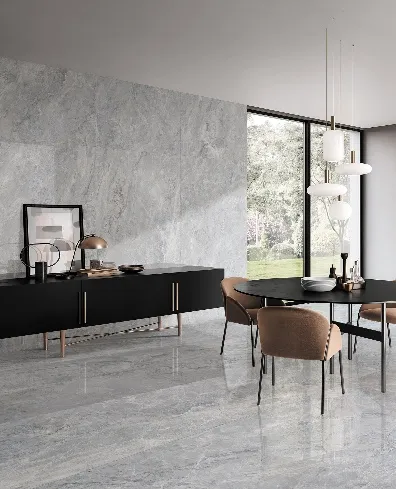
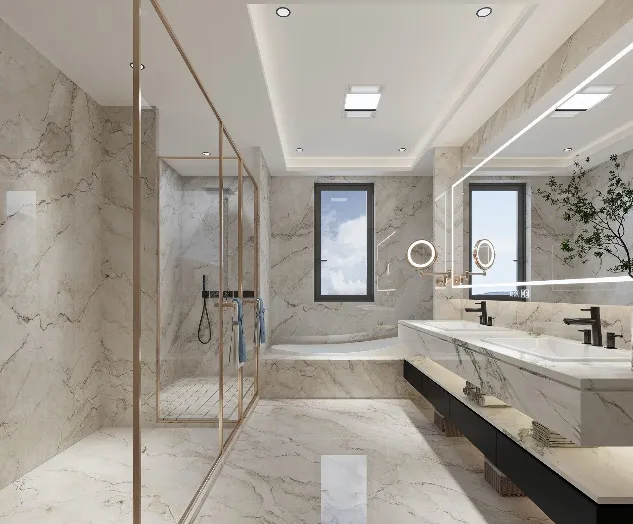
Their appeal isn't just practical, though. Modern porcelain slab tiles come in an array of designs, mimicking everything from natural marble and granite to wood and concrete. This flexibility allows designers to achieve high-end aesthetics without the hefty price tag or maintenance demands of natural materials. For residential building materials suppliers and commercial building materials suppliers alike, porcelain slab tiles have become a go-to solution for clients who want both beauty and brawn in their walls.
But here's the catch: not all porcelain slab tiles are created equal. A tile that looks perfect in a showroom might crack within months if it's not manufactured to strict standards. That's where the role of a reliable supplier becomes critical. They're not just selling a product—they're delivering peace of mind, ensuring that every tile that leaves their warehouse is built to perform.

When we talk about a "reliable" porcelain slab tile for wall supplier, we're not just referring to someone who shows up on time (though that's important). Reliability is a holistic trait that combines quality, consistency, transparency, and service. Let's break it down:
Consistency in Quality: Imagine ordering 500 square feet of "ivory marble-look" porcelain tiles for a residential project, only to find that the first batch has a warm beige undertone and the second leans gray. Inconsistencies like this can derail a design, forcing costly reworks or compromises. A reliable supplier ensures that every batch of tiles—whether it's the first or the hundredth—matches the agreed-upon specifications for color, texture, and finish.
Adherence to Industry Standards: Porcelain slab tiles aren't just pieces of decorated clay; they're engineered products subject to rigorous testing. From water absorption rates to flexural strength, industry standards exist to protect consumers and ensure tiles perform as expected. A trustworthy supplier doesn't cut corners here—they invest in third-party testing and certifications to prove their tiles meet or exceed these benchmarks.
Transparency in Sourcing and Production: Where do the raw materials come from? How are the tiles manufactured? A reliable supplier is open about their processes, from the clay quarries to the firing kilns. This transparency builds trust, especially for clients who prioritize sustainability or ethical sourcing.
Customer-Centric Solutions: A supplier that offers porcelain slab tile for wall solutions goes beyond selling tiles. They provide technical support, help with material selection based on the project's unique needs (think high-moisture areas like bathrooms vs. low-traffic bedrooms), and offer guidance on installation best practices. For commercial projects, this might mean custom sizing or specialized finishes; for residential clients, it could involve (samples) and design consultations to ensure the tiles align with the overall vision.
Industry standards are the rulebook that separates reputable suppliers from fly-by-night operations. These standards are developed by global organizations, trade bodies, and regulatory agencies to ensure that porcelain slab tiles are safe, durable, and fit for purpose. Let's explore some of the most critical standards and what they mean for both suppliers and buyers.
| Standard Organization | Key Metric | Requirement for Porcelain Tiles | Why It Matters |
|---|---|---|---|
| ISO (International Organization for Standardization) | Water Absorption | ≤0.5% | Low water absorption prevents mold growth, staining, and damage from freezing temperatures—critical for humid spaces like bathrooms or outdoor walls. |
| ASTM International (American Society for Testing and Materials) | Flexural Strength | ≥35 MPa (megapascals) | Measures a tile's ability to resist bending and breaking under weight. Higher flexural strength means tiles can handle heavy objects or impacts without cracking. |
| CEN (European Committee for Standardization) | Breaking Strength | ≥2000 N (newtons) | Indicates how much force a tile can withstand before shattering. Important for high-traffic commercial areas where tiles might be subjected to heavy loads. |
| SASO (Saudi Arabian Standards Organization) | Fire Resistance | Class A1 (non-combustible) | For regions like Saudi Arabia, fire safety is paramount. Class A1 certification ensures tiles don't contribute to fire spread, making them ideal for hospitals, schools, and commercial buildings. |
| ANSI (American National Standards Institute) | Scratch Resistance | ≥6 on the Mohs scale | Determines how well tiles resist scratches from everyday items like keys or furniture. A rating of 6+ means tiles stay looking new even with regular use. |
These standards aren't just boxes to check—they're guarantees. A reliable porcelain slab tile for wall supplier will readily provide certificates proving their products meet these benchmarks. For example, if you're sourcing tiles for a school or hospital, you might need Class A fireproof materials; a trustworthy supplier will guide you to options like class a fireproof cpl inorganic board (though our focus here is porcelain, this illustrates the importance of standard-specific solutions).
While global standards like ISO and ASTM provide a baseline, regional regulations can add layers of complexity. Take Saudi Arabia, for instance. As a key market for building materials, the country has its own set of standards overseen by SASO. These standards often address local challenges, such as extreme temperatures, high humidity, and strict fire codes. A reliable Saudi Arabia building materials supplier will not only meet global standards but also ensure compliance with SASO's specific requirements, saving clients from costly delays or rejections during project inspections.
Similarly, in regions with frequent freeze-thaw cycles, suppliers must prioritize tiles with high frost resistance—a standard often emphasized by European and North American bodies. This attention to regional needs is what separates a generic supplier from a partner who truly understands your project's context.

Now that we understand the role of standards, let's outline the practical steps to identify a reliable supplier. Here are five factors to keep top of mind:

It's tempting to opt for a cheaper supplier, especially when budgets are tight. But the costs of choosing an unreliable partner can far outweigh the initial savings. Let's paint a picture: Imagine you're a contractor working on a residential building project. You source porcelain slab tiles from a supplier offering rock-bottom prices, skipping the usual checks on certifications. Six months after installation, the tiles in the bathrooms start warping due to high water absorption. The homeowner is furious, and you're forced to rip out and replace the entire wall—at your own expense. Now multiply that by a commercial project with hundreds of tiles, and the financial hit becomes devastating.
Other risks include inconsistent color matching (leading to a patchy, unprofessional look), delayed deliveries (throwing off project timelines and incurring penalty fees), and even safety hazards (tiles that crack or shatter, posing fall risks). In the worst cases, non-compliance with fire or building codes can result in legal issues or project shutdowns. Simply put, the reliability of your porcelain slab tile supplier directly impacts the success—and reputation—of your project.
The building materials industry isn't without its hurdles. Supply chain disruptions, raw material shortages, and fluctuating market demands can all throw a wrench into even the best-laid plans. So how do reliable suppliers navigate these challenges? For starters, they invest in strong relationships with raw material providers, ensuring a steady flow of high-quality clay and minerals. They also maintain buffer stocks of popular tile designs, reducing the risk of delays during peak seasons.
Technology plays a role too. Many leading suppliers use digital tools to track inventory in real time, forecast demand, and communicate transparently with clients about potential delays. For example, if a kiln malfunction slows production, a reliable supplier will notify you immediately, offering alternative solutions or adjusted timelines—no radio silence, no last-minute surprises.
Sustainability is another area where reliable suppliers stand out. As the industry shifts toward eco-friendly practices, top suppliers are investing in energy-efficient kilns, recycling water used in production, and reducing waste. This not only benefits the planet but also appeals to clients who prioritize green building practices—a win-win for everyone.
At the end of the day, a reliable porcelain slab tile for wall supplier is more than a vendor—they're a partner in bringing your vision to life. They understand that the tiles on your walls are more than just materials; they're the foundation of spaces where memories are made, businesses thrive, and lives unfold. By prioritizing quality, adhering to industry standards, and putting your needs first, they ensure that those spaces are beautiful, durable, and built to last.
So the next time you're in the market for porcelain slab tiles, remember: don't just ask, "What's the price?" Ask, "What standards do your tiles meet?" "Can I see your testing reports?" "How do you handle delays?" The answers to these questions will tell you everything you need to know about whether a supplier is truly reliable. After all, the best walls aren't just built with tiles—they're built with trust.
Recommend Products











