
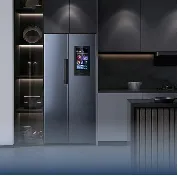
Ever opened your fridge expecting crisp veggies only to find limp lettuce? Or reached for ice cubes that taste like last week's leftovers? We've all been there. The magic behind reliable refrigeration isn't magic at all – it's precise technology working overtime while you sleep.
Modern refrigerators have evolved from simple cold boxes to sophisticated food-preservation systems. The difference between a mediocre fridge and a great one comes down to three core elements:
Let's unpack what really happens behind those stainless steel doors.
Remember those frost-bitten peas from grandma's freezer? That's what happens when freezing happens too slowly. Ice crystals form and rupture cell walls, leading to mushy textures. Modern quick-freeze systems chill food from room temp to -18°C in under 90 minutes. This quick transition creates smaller ice crystals that don't damage food structures.
"It's like the difference between slowly wading into cold water versus diving in," explains Dr. Elena Martinez, food scientist at Cornell. "The sudden temperature drop preserves cellular integrity far better."
Not everything freezes equally. Ice cream needs -15°C while meat prefers -23°C. Newer fridge models feature smart compartments that automatically adjust:
| Food Type | Ideal Temp | Tech Used |
|---|---|---|
| Ice Cream | -15°C | Dual evaporators |
| Meat/Fish | -23°C | Dual compressors |
| Frozen Veggies | -18°C | Multi-airflow |
This zoning prevents temperature conflicts – no more frosty lettuce next to partially thawed chicken!
Your fridge is constantly fighting to maintain balance. When you add warm leftovers or open the door on a hot day, precision control systems kick into high gear.
Remember those dials with numbers 1-5 that did who-knows-what? Modern fridges employ multiple sensor arrays feeding data to machine learning algorithms. These systems predict temperature swings before they happen.
"We've moved from reactive to predictive cooling," says James Keller of Whirlpool's innovation team. "Our newest models can detect when you typically unload groceries and pre-chill the compartment."
Your cheese drawer shouldn't live in the same climate as your soda cans. Advanced fridges now offer multiple climate zones:
This precision prevents flavor transfer and extends freshness by days.
Modern preservation tech goes far beyond basic cooling. These innovations work together to create optimized environments:
Ethylene gas - emitted naturally by fruits - speeds ripening and spoilage. Advanced fights back with:
"Tests show berries last 30% longer with multi-stage air purification," notes appliance reviewer Sarah Kim. "You'll notice less fuzzy science experiments in the back of your crisper."
Not all humidity is equal. Modern systems provide:
This precise moisture control is why your lettuce stays crisp but your cheese doesn't sweat.
Today's refrigerators represent sophisticated environmentally friendly electrical equipment that adapts to usage patterns. Energy-saving innovations include:
The EPA estimates these advancements have reduced fridge energy consumption by 75% since the 1970s.
Emerging technologies promise even smarter food management:
Imagine your fridge texting: "Your strawberries have 2 days left - suggest smoothies tonight!" Cameras and weight sensors are enabling this future.
Researchers are developing systems that could adjust environments based on your DNA markers and microbiome. Maybe someday your fridge will know you need extra vitamin C!
New magnetic refrigeration prototypes use no harmful gases. "We're looking at 40% greater efficiency with zero global warming potential," reports Department of Energy researcher Amita Singh.
When shopping for your next fridge, look beyond shiny surfaces and ice makers. Ask about:
The best refrigerators work like precision instruments, not just cold boxes. They constantly monitor, adjust, and protect your food investment. Next time you enjoy crunchy fresh veggies days after buying them, you'll know there's some brilliant engineering humming behind that door.
Recommend Products












