


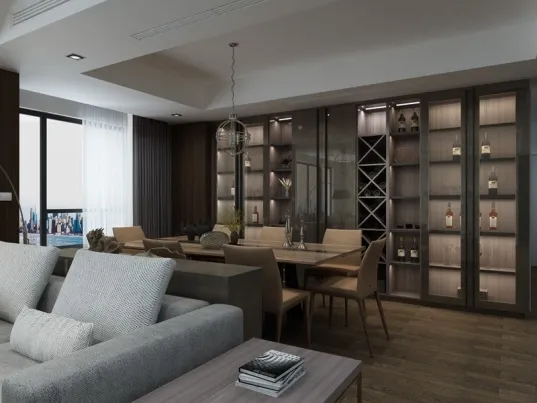
Let's be honest about something - wine isn't just a drink. It's liquid history, a captured moment, a carefully tended expression of earth and time. When you bring a bottle home, you're not just storing alcohol; you're preserving a story. That's why your wine cabinet matters more than you might realize. It's not another kitchen appliance; it's the guardian of your liquid treasures.
Now, I know the specs for wine storage can feel intimidating. All those numbers about temperatures and humidity percentages might make your eyes glaze over. But here's the secret: understanding these parameters isn't about tech jargon - it's about speaking your wine's language. You wouldn't store a Picasso in a damp basement or a Stradivarius next to a radiator, right? Your Bordeaux deserves the same thoughtful care.
Real Talk: Think of a wine cabinet as a climate sanctuary for your bottles. That "humidity control" spec? It's what keeps your corks from drying out and turning your 20-year-aged Cabernet into expensive vinegar. The noise level? That determines whether your wine rests peacefully or vibrates itself into a state of constant agitation.
Why Temperature Isn't Just a Number
The Sweet Spot Science
You've probably heard that 55°F (13°C) is the magic number for wine storage. While that's a good baseline, reality is more nuanced. Think of temperature control like a conversation between you and your bottles:
- White wines prefer it cooler (45-50°F / 7-10°C) to keep their crispness
- Red wines thrive slightly warmer (55-65°F / 13-18°C) to develop complexity
- Sparkling wines demand the coldest environment (40-50°F / 4-10°C) to maintain their lively bubbles
The real magic happens in consistency . That temperature-controlled wine cabinet isn't being fussy - it's preventing thermal shock. When temperatures swing wildly, wine expands and contracts inside the bottle, pushing past corks and letting oxygen sneak in. It's like forcing your wine to run sprints when it wants to meditate.
Dual Zones: The Wine Concierge Service
Imagine having a personal wine butler who knows exactly where each bottle belongs. Dual-zone cabinets work like that:
| Feature | Single Zone | Dual Zone |
|---|---|---|
| Temperature Range | One consistent temp for entire unit | Separate climates for different bottles |
| Versatility | Good for one wine type | Simultaneous storage for reds, whites, bubbles |
| Flexibility | Limited by uniform conditions | Adjustable zones as collection evolves |
I've seen too many collectors force all their bottles into a temperature compromise. Don't be that person who serves lukewarm champagne at their own celebration. Your wines have different needs - respect their individuality.
Humidity Control: Your Cork's Best Friend
Humidity might seem like the boring cousin in the wine storage world, but let me tell you - it's the unsung hero. Forget the complex definitions; humidity is simply about keeping your corks happy and healthy. Too dry? Corks shrink and let air invade your wine. Too damp? Labels peel, mold grows, and suddenly your prized vintage looks like something from a haunted cellar.
The Golden Range
That magical 50-70% humidity range you see on specs exists for good reason:
- Below 50%: Corks dry out and crack - imagine a dried-up sponge that can't seal properly
- Above 70%: Labels deteriorate, mold thrives, and metal capsules corrode
- Ideal 60%: Corks maintain perfect elasticity, creating an airtight seal
What most people don't realize is that humidity isn't just about preventing disasters - it's about creating an environment where wine matures gracefully. Proper humidity allows those complex compounds to evolve into something extraordinary rather than fighting for survival.
The Silent Factor: Air Circulation
Hidden in that humidity spec is an invisible factor: air flow. Still air creates pockets of stagnant humidity, while proper circulation ensures every bottle gets consistent conditions. This isn't just about machinery - it's about respect for each individual bottle in your collection.
Noise Level: The Forgotten Parameter
Here's where most spec sheets mislead you. Noise level isn't just about decibels - it's about vibration frequency. Wine is a living thing, constantly evolving, and vibrations disturb that delicate dance. Think about how unsettled you feel during constant construction noise - that's your wine reacting to compressor vibrations.
Decibels vs. Quality of Silence
You'll see specifications like "42 dB" but what really matters is the type of sound:
- Compressor noise: The deep hum that vibrates through shelves
- Fan acoustics: High-pitched whines that penetrate cork
- Vibration transfer: Silent but deadly shaking that agitates sediment
Premium cabinets solve this with compressors mounted on dampening springs and whisper-fans designed with aerodynamics borrowed from luxury car engineering. It's not silence for your benefit - it's calm for your wine's aging journey.
True Story: A client once complained their expensive Burgundies tasted "shaken up" despite perfect temp/humidity. Turned out the wine cabinet was installed against a laundry room wall. The vibrations from their washer transferred through the wall, constantly agitating the bottles. Wine doesn't just want stillness - it demands it.
Other Factors You Shouldn't Ignore
While temperature, humidity and noise are the big three, your wine's comfort involves several other considerations:
UV Protection: Sunlight's Stealth Attack
UV rays don't just fade labels - they catalyze chemical reactions that prematurely age wine. Premium cabinets use either UV-resistant glass or metal inserts to create true darkness. Even ambient kitchen lights contain UV components that can accumulate damage over years.
Vibration Control Engineering
Beyond noise, physical vibration is a silent killer. Look for:
- Suspension systems that decouple compressors from storage areas
- Floating shelf mechanisms that absorb external movement
- Low-vibration fans with balanced blades
When selecting your furniture-grade wine preservation unit, pay special attention to these anti-vibration features.
Energy Efficiency
Beyond environmental responsibility, efficient insulation means:
- Less compressor cycling for steadier temperatures
- Reduced humidity fluctuations from less air exchange
- Longer component lifespan from less mechanical stress
It's a triple-win that shows in your electricity bill and your wine's stability.
Final Thoughts: Finding Your Cabinet Match
Choosing a wine cabinet shouldn't be about technical specs alone - it's about finding the right personality match for your collection's needs. Is your focus delicate white wines that need extra chill? Look for precision cooling systems with low vibration. Mostly robust reds? Humidity control becomes your priority. Love both? Dual-zone is non-negotiable.
Your wine isn't asking for luxury - it's asking for respect. Those carefully calibrated parameters are simply how we translate that respect into environmental conditions. When you get it right, each opened bottle becomes a revelation rather than a disappointment. And isn't that why we collect in the first place?










