
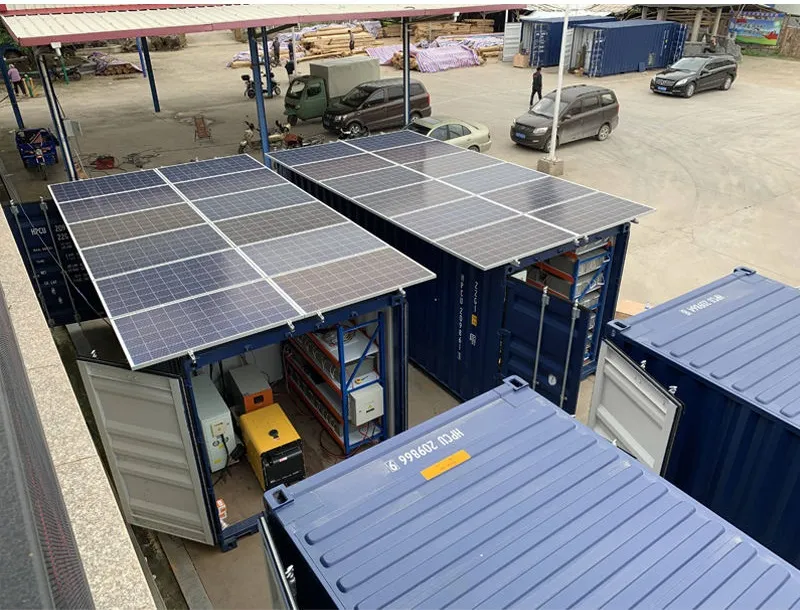
You wouldn't buy a car without understanding the service plan, right? Yet everyday, homeowners and businesses invest thousands in solar systems while barely skimming the warranty documentation. Let's change that. The reality? Your solar panels might last decades, but if the warranty fails you, you're facing unexpected costs that could turn your energy savings into a financial nightmare.
According to industry studies, over 60% of solar consumers can't accurately explain their warranty's degradation clause. Nearly half don't realize their installer's workmanship warranty is separate from the manufacturer's product coverage. This knowledge gap costs solar owners millions annually in uncovered repairs.
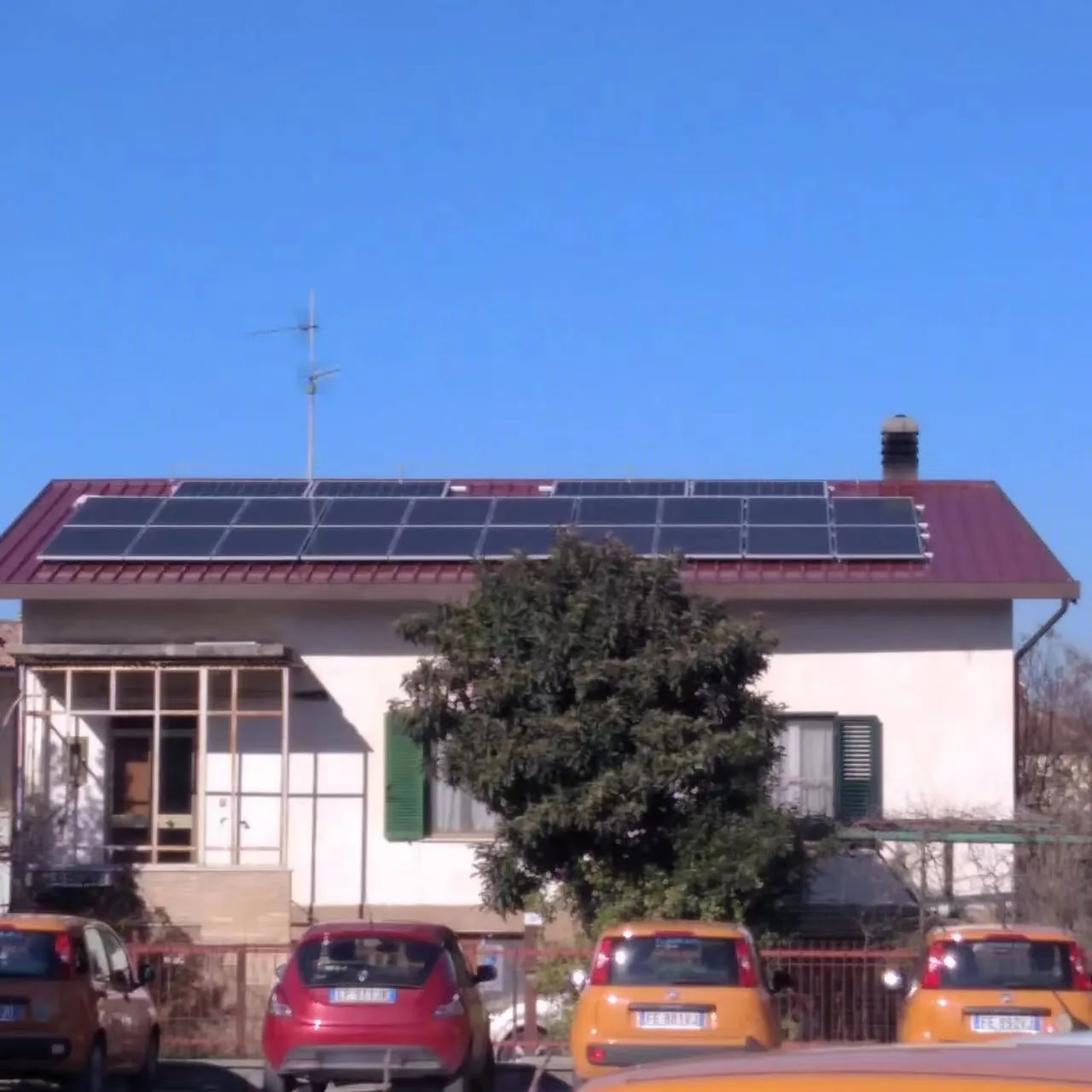
Think of this as your bumper-to-bumper coverage. The best residential solar panels carry at least 12-year protection against defects. But watch for exclusions:
Manufacturers typically guarantee 90% production at 10 years and 80% at 25 years. The real detail? Degradation thresholds:
| Brand | Year 10 | Year 25 | Degradation Model |
|---|---|---|---|
| Premium Tier | 92% output | 85% output | Linear decline |
| Mid Tier | 90% output | 80% output | Step degradation |
| Budget Tier | 87% output | 75% output | Variable curve |
Most guarantees require annual production reports. Miss three years of monitoring? Your claim vanishes. Maintain those system checks!
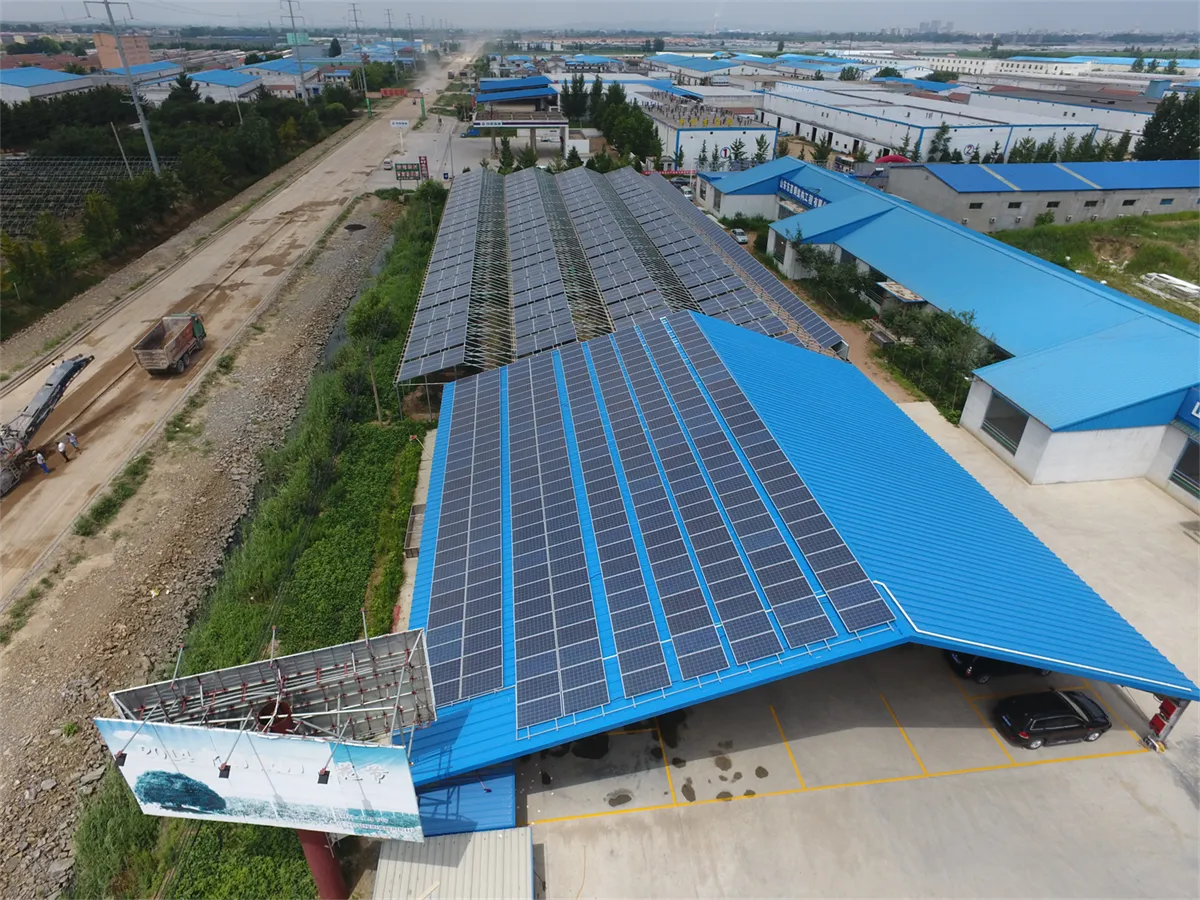
Solar fine print reveals landmines most homeowners never see:
The most frustrating part? When our neighbor installed his system last year, he didn't realize the warranty explicitly excluded partial shading damage - something very common in our wooded neighborhood. He learned the hard way when squirrel damage to trees decreased his production but didn't qualify for coverage.
Choosing between tier-one manufacturers for your commercial solar panels ? Compare warranty service response times. Premium brands resolve 90% of claims in under 30 days while budget suppliers average 90+ days resolution.
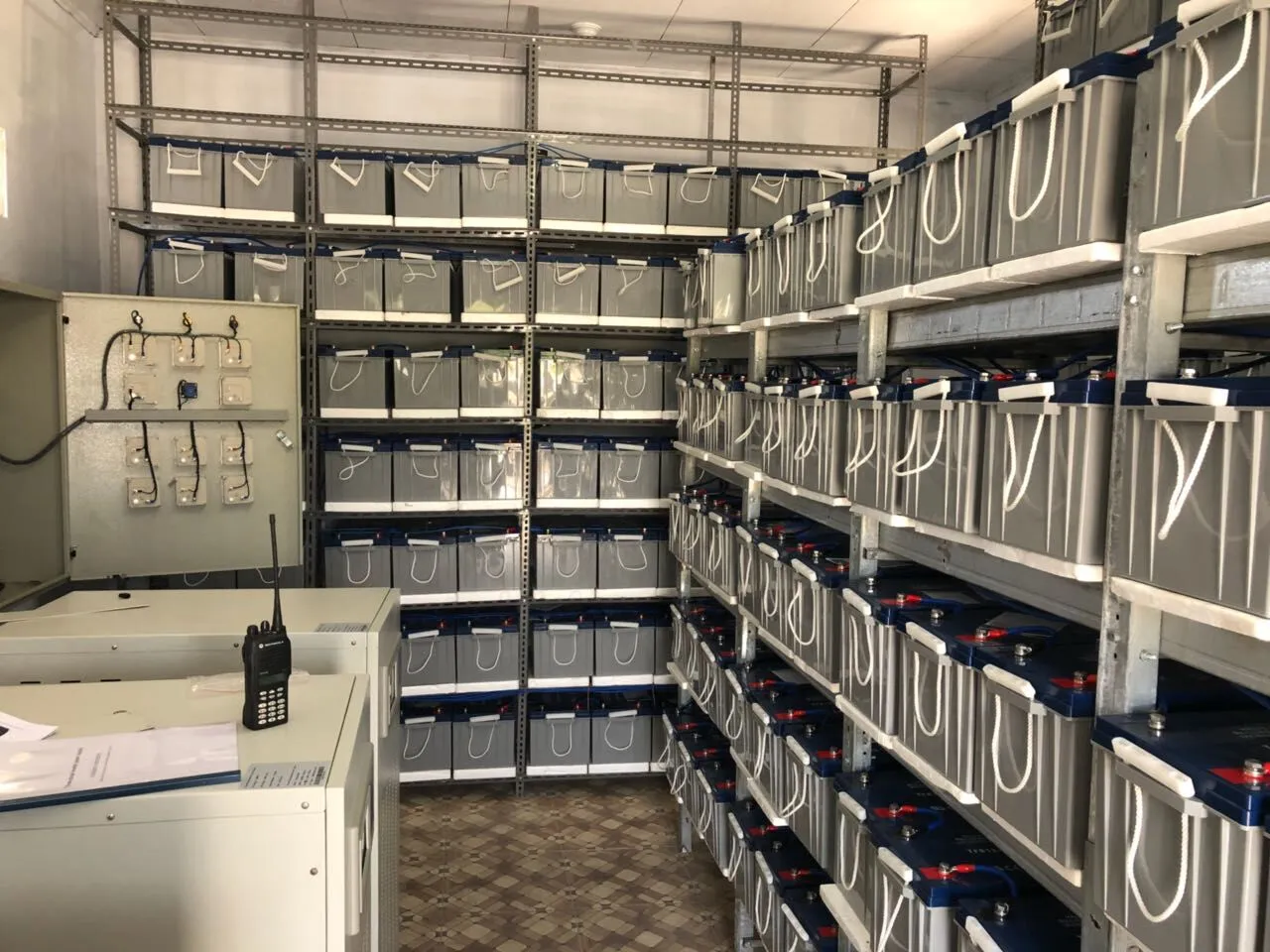
An installer's warranty typically covers roof penetrations and electrical connections for 5-10 years. Critical questions:
Demand manufacturers who include "no leak" guarantees with 10+ year coverage. The best include third-party insured protection that survives installer bankruptcy.
Your solar investment should boost property value, but complicated warranty transfers sabotage sales:
| Transfer Type | Fees | Lead Time | Coverage Impact |
|---|---|---|---|
| Manufacturer | $100-$300 | 30-60 days | Full terms preserved |
| Installer | $250-$500 | 15 days | Re-qualification required |
| Partial Transfer | $100-$500 | 90 days | Warranty voidable during transfer |
Imagine selling your home only to discover mid-transaction that warranty transfer takes 90 days - delaying closing. Require transfer process documentation upfront!
Emerging warranty trends:
The most progressive suppliers even offer "bumper-to-bumper" equivalents covering monitoring subscriptions and cleaning services. Though currently rare, this all-inclusive model represents the future.
Before signing any solar contract:
Consider this: Over 25 years, 85% of solar systems will need at least one warranty claim. Quality coverage prevents:
A system with premium warranty typically costs just 8-12% more, yet delivers nearly double the protected savings over its lifetime. More importantly? Peace of mind knowing you won't face surprise costs down the line.
Last summer, when our inverter failed unexpectedly, our premium warranty had a replacement unit shipped overnight - no questions asked. The neighbor who chose the budget option? He waited 14 weeks for repairs and paid $1,200 out of pocket for temporary power solutions.
Decoding solar warranties comes down to mastering four questions:
Think of warranties as insurance policies on your energy independence. The cheapest option rarely provides adequate protection when storms hit or components fail. By truly understanding your warranty structure before installation, you're not just protecting panels - you're safeguarding decades of clean energy savings.
Recommend Products












